FAO-backed initiative aims to certify sustainable tea, attract premium prices, and scale climate-smart farming across East Africa.
KISUMU, Kenya, June 27– Kenya has launched a pioneering $5 million (Sh647,460,905) initiative to produce low-carbon tea, a move expected to enhance smallholder farmers’ incomes while reducing greenhouse gas emissions in the sector.
The triangulated project is funded by China and Germany, and implemented by the UN’s Food and Agriculture Organization (FAO) in partnership with the Kenya Tea Development Agency (KTDA).
It seeks to position Kenyan tea as a globally certified sustainable product.
Tea is Kenya’s top export earner, contributing 23 percent of foreign exchange earnings and assisting over 700,000 smallholder farmers.
However, climate change threatens tea and productivity, with studies predicting a 20 percent decline in yields without intervention.
The climate shocks which the stakeholders pointed out include erratic rainfalls, rising and falling temperature.
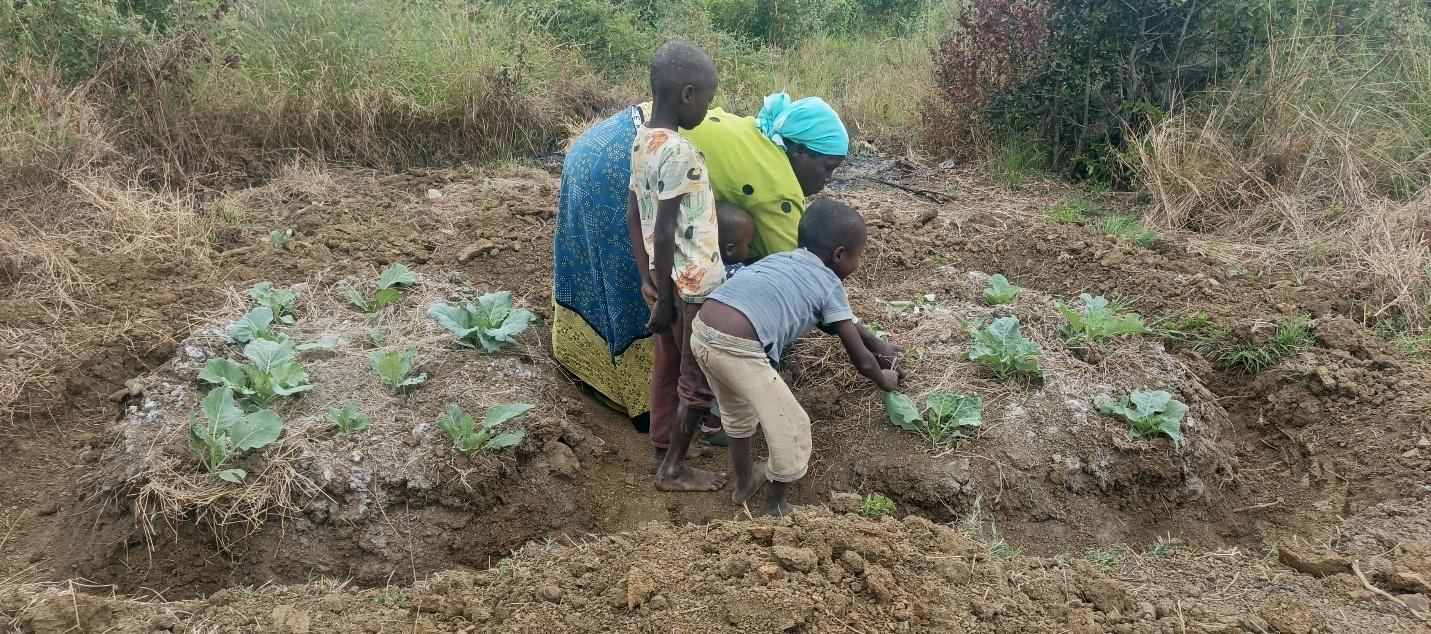
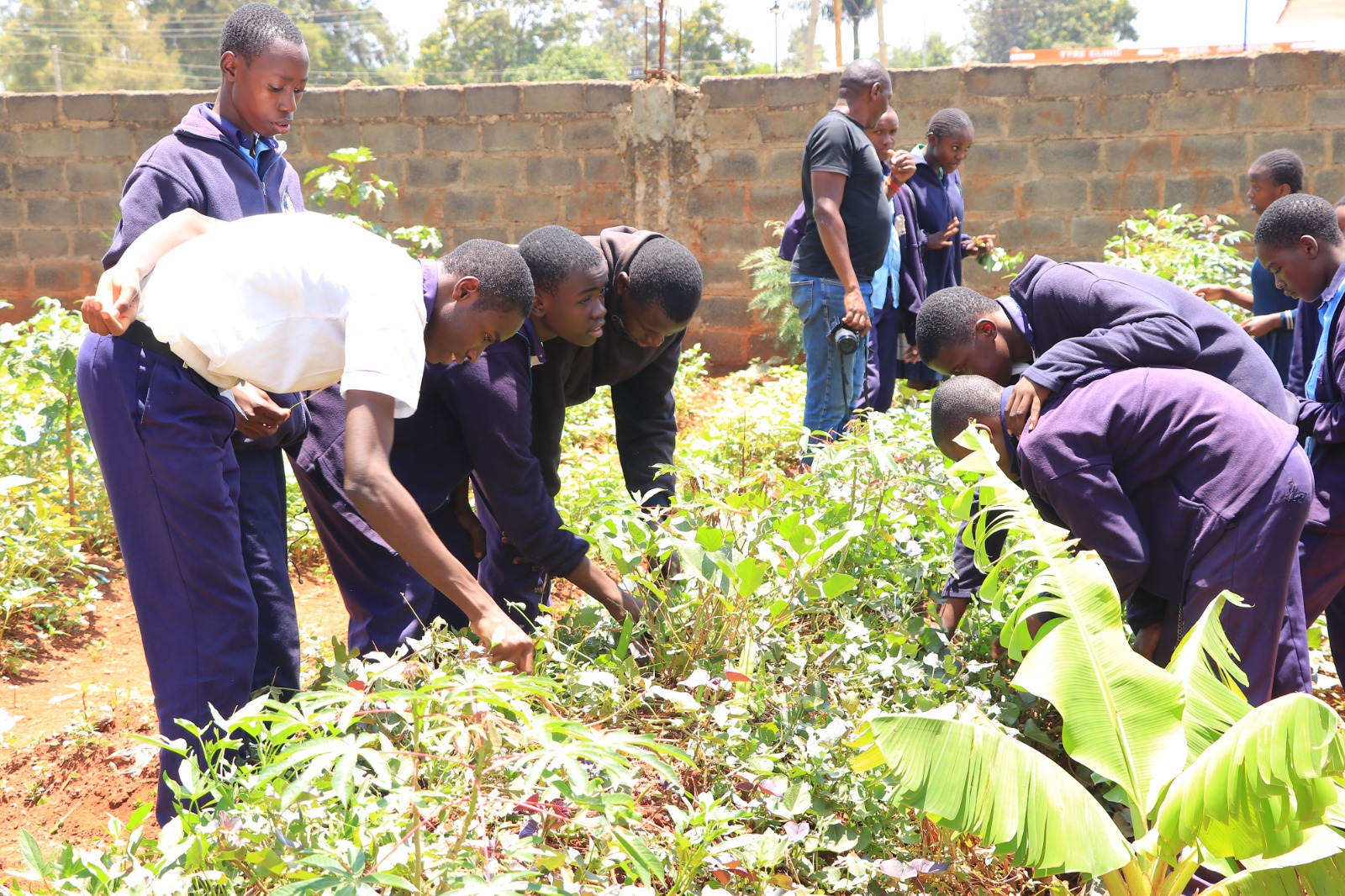
The FAO-led initiative will pilot climate-smart practices such as solar energy use, hydro power, and regenerative farming to cut emissions and secure premium international markets.
Higher Earnings
A major target is developing a low-carbon tea certification system, potentially enabling farmers to earn higher prices for sustainable produce.
It will also test blockchain technology to enable global buyers to trace a tea packet’s carbon footprint,from farms to auction markets.
“Consumers in Pakistan or London will see exactly how Kenya’s tea was grown and processed,” said Dr. Barack Okoba, FAO’s Project Lead during International Workshop on Feasibility and Added Value of Low Carbon held in Kisumu recently.
While Kenya is the pilot country, lessons will be shared with Rwanda, Malawi, Uganda, and Ethiopia fellow tea-producing nations facing similar climate challenges.
“This isn’t just about tea; it’s a model for other crops,” noted Kubok Lennard of Kenya’s Agriculture Ministry.
Green Drive
KTDA, which manages 71 factories, reported that 17 already use renewable energy, reducing reliance on firewood and grid electricity.
“We’re already rolling out low-carbon and now we’re proving it,” said Sudi Matara, KTDA’s Sustainability General Manager.

The state agency aims to double tea export revenue from Sh1.4 billion to Sh4 billion by 2030 through sustainability-linked premiums.
Market Demand
Global buyers increasingly demand climate-accountable products, and Kenya—the world’s top black tea exporter plans to leverage its pesticide-free, rainforest-alliance-certified reputation.
“If we succeed, Kenyan tea could dominate the eco-conscious market,” said Willie Mutai, CEO of the Tea Board of Kenya.
The project aligns with Kenya’s goal to raise farmers’ earnings to 90 shillings per kilo by 2027, up from the current 64 shillings.
With 7 million livelihoods depending on tea, the change to low-carbon production could redefine the sector’s future environmentally and economically.
romondi99@theeyeswatchmedia.co.ke