MATUGA, Kenya, Sept 2026 -Three and a half years: that is how long the sky over Mbuguni, Kenya stayed stubbornly empty.
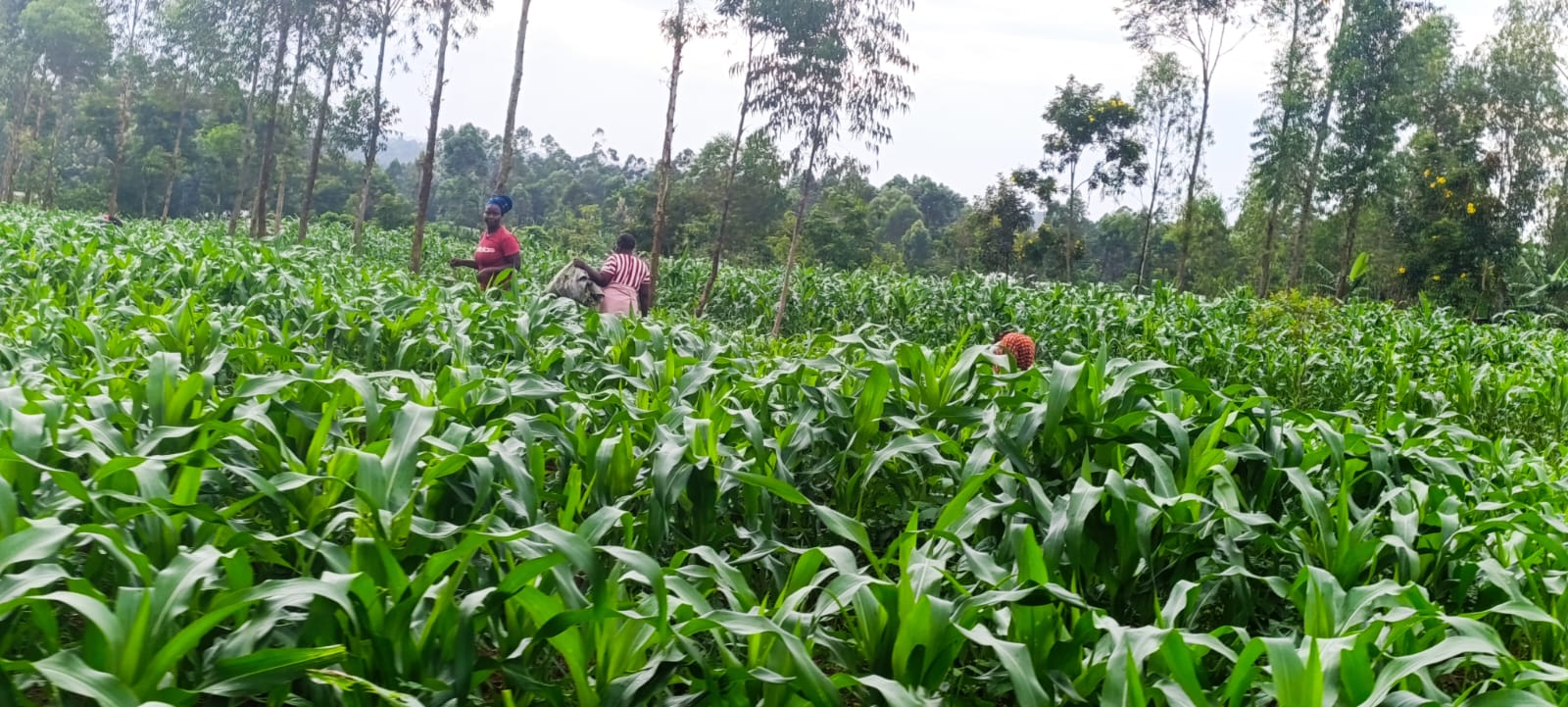
In this remote village in Matuga, Kwale County, no rain fell. Crops died in the fields, food stores were totally depleted, and families ran out of seeds. It got harder to find food and water every season.
Women walked long distances in search of water and wild fruits. Some men left the area in search of work. Children were also affected. Some dropped out of school, while others, including children as young as 10, turned to fishing in the ocean using mosquito nets.
Hunger also affected children’s health.
According to community accounts, some malnourished and stunted children spent much of the day sleeping, while others became weak or collapsed by the side of the road on their way to school.
The drought also destroyed the seeds that families depended on for the next planting season.
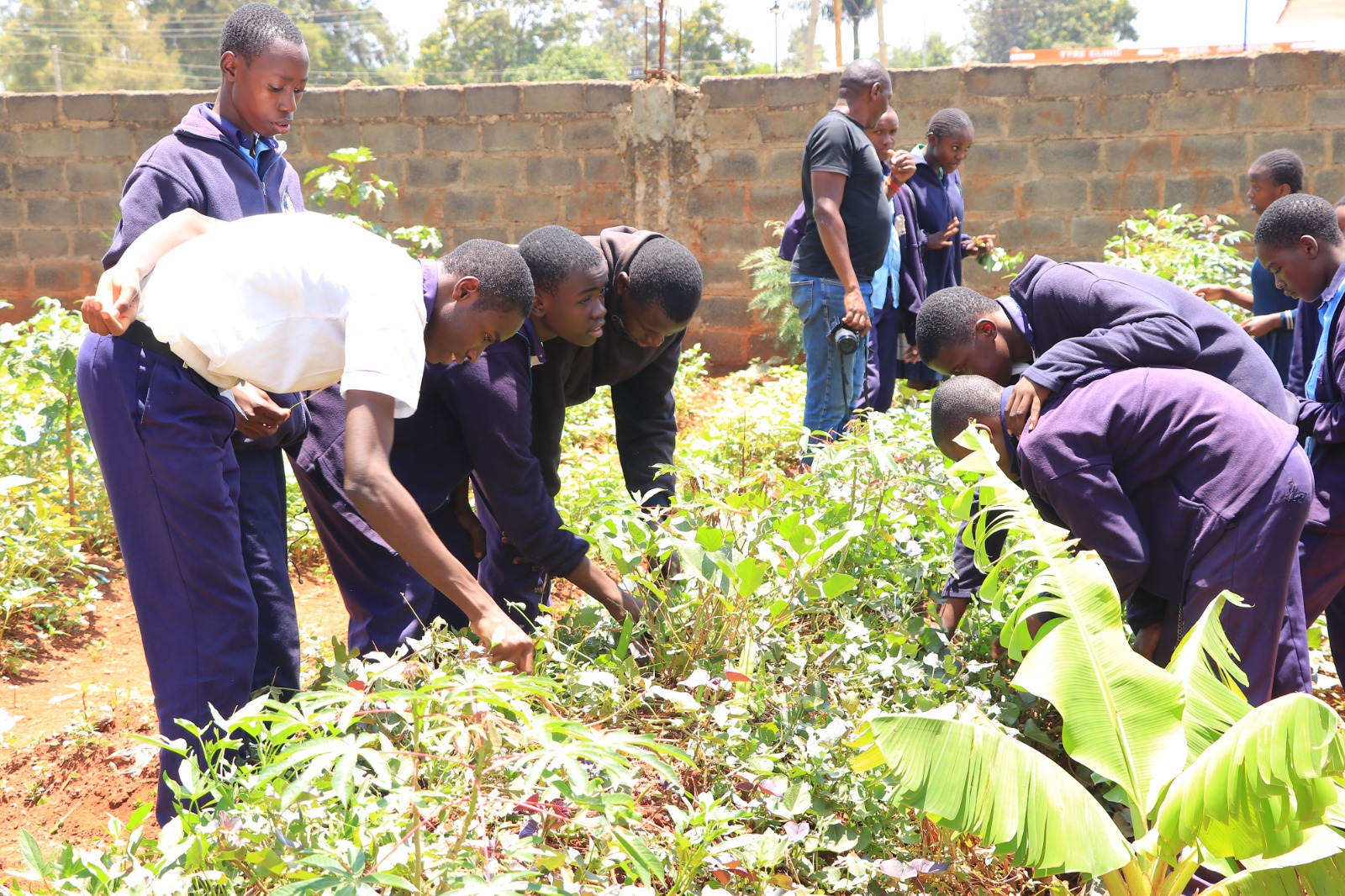
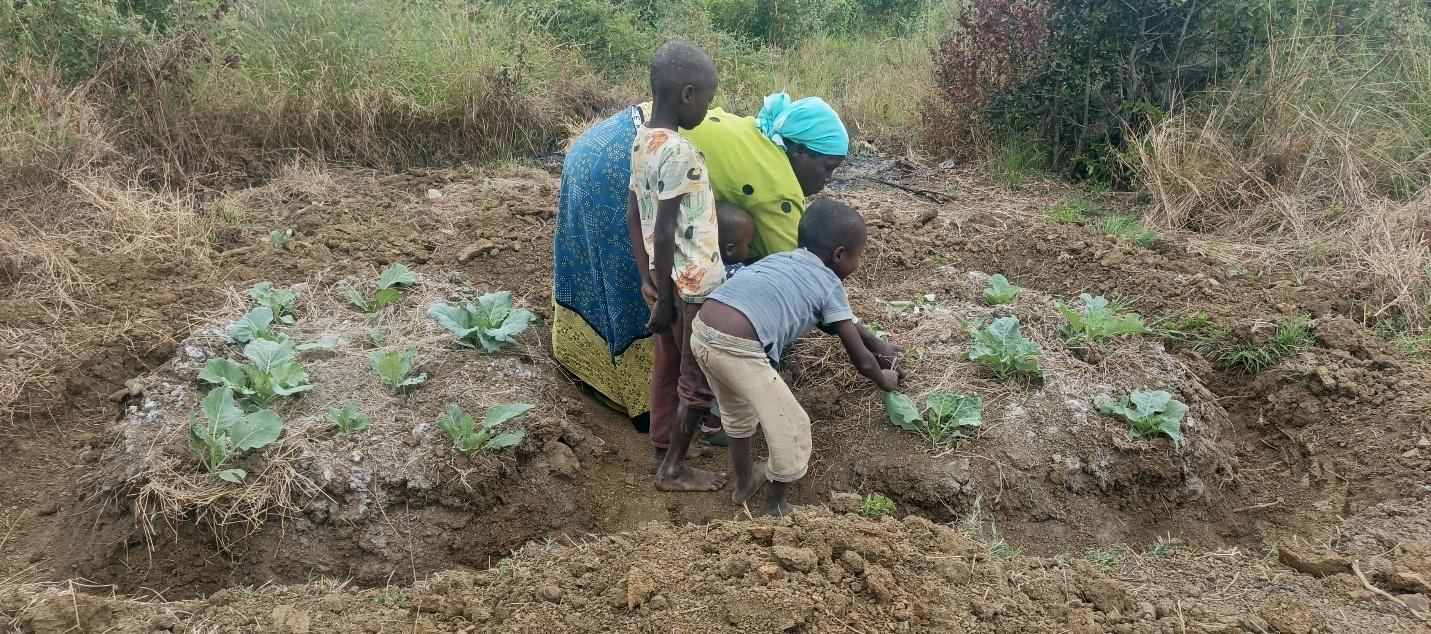
Then, in August 2024, the Permagardens Foundation began training families in Mbuguni to establish permagardens.
Starting again
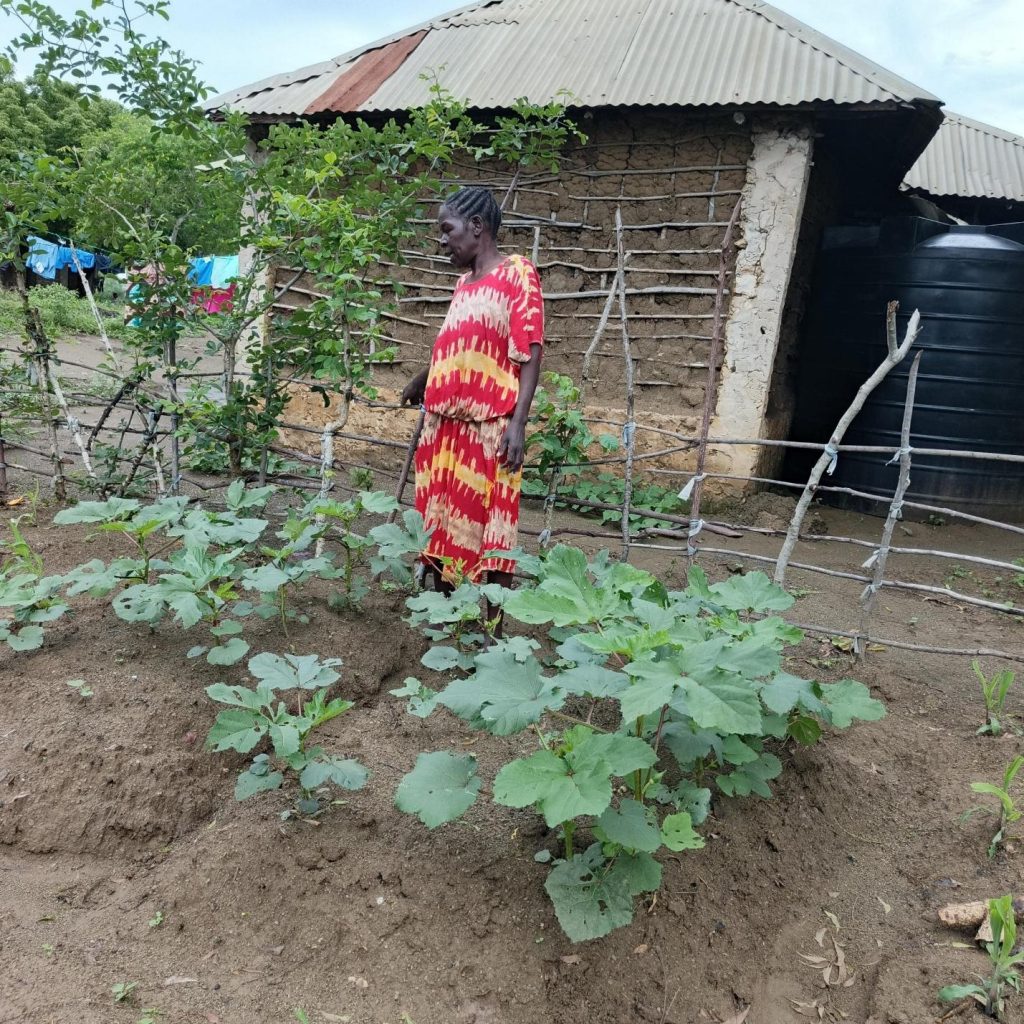
Even in drought, permagardens thrive in Mbuguni. Photo Credit: The Permagardens Foundation
Isaac Atsiaya, a trainer with The Permagardens Foundation and lead at United for Poor Communities, said the training was the first step toward helping families produce vegetables again.
The gardens use locally available resources and focus on efficient water use, approaching Water-Wise and Climate-Smart for a community that has experienced prolonged drought.
For the women who established the gardens, the harvest provided food for their households. Surplus vegetables could also be sold to generate income.
“Vegetable surplus was sold to cover school fees, medical expenses, and other small family needs,” Atsiaya said.
By November 2024, he said, the community had recorded an increase in the number of children attending school.
“No more cases of school children falling along the road were recorded,” he said.
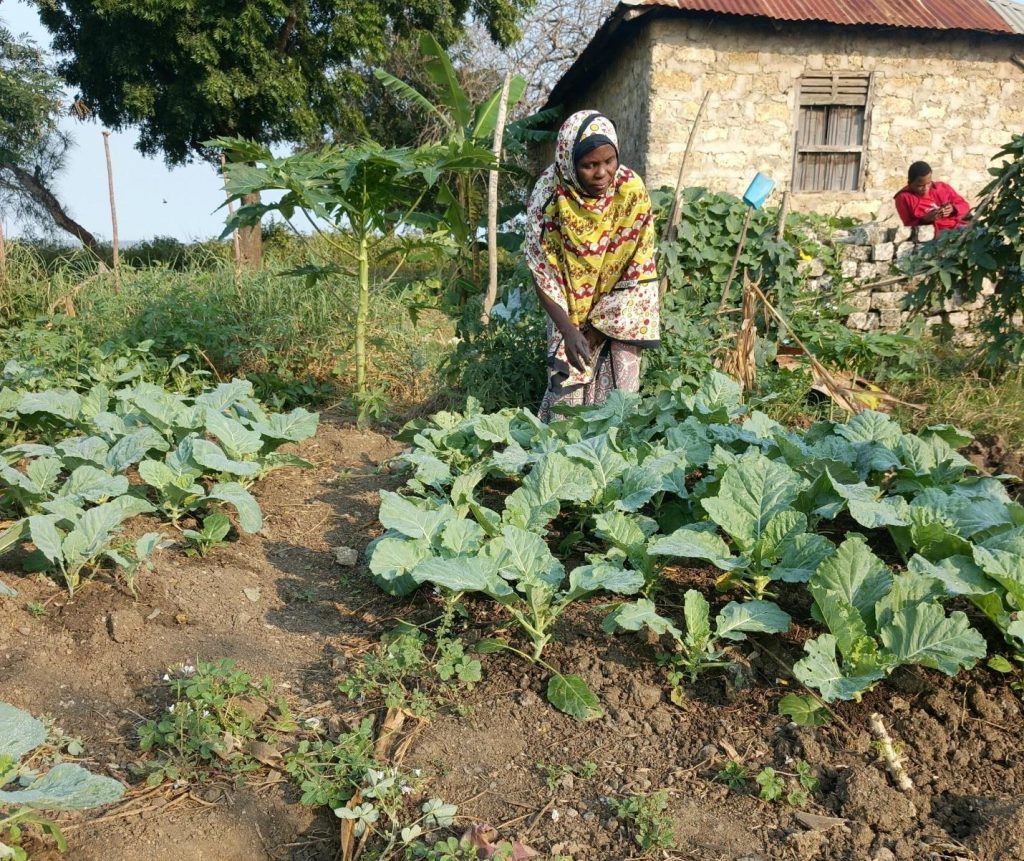
Mwanajuma Bakari, a widow raising nine children, said that vegetables from her permagarden are helping her feed her family and pay school fees.
“I am grateful my family has plenty of vegetables, and I am selling the surplus to pay school fees,” she said. “Before permagarden, we used to sleep with empty stomachs.”
Binti Nasoro, a single mother of eight, is also using part of her harvest to support her children’s education.
“My children had dropped out of school, and I am glad half of my permagarden harvest pays their school fees,” she said.
Food and income
Mwanamisi Masudi, a mother of eight, said the drought affected her household after her husband left during the period of food shortages.
“Drought left us with nothing. My husband went away during the tough times with hunger,” she said. “I am happy now we can grow our own food. We don’t sleep hungry anymore.”
The gardens have also provided families with vegetables to eat, and surplus produce to sell.
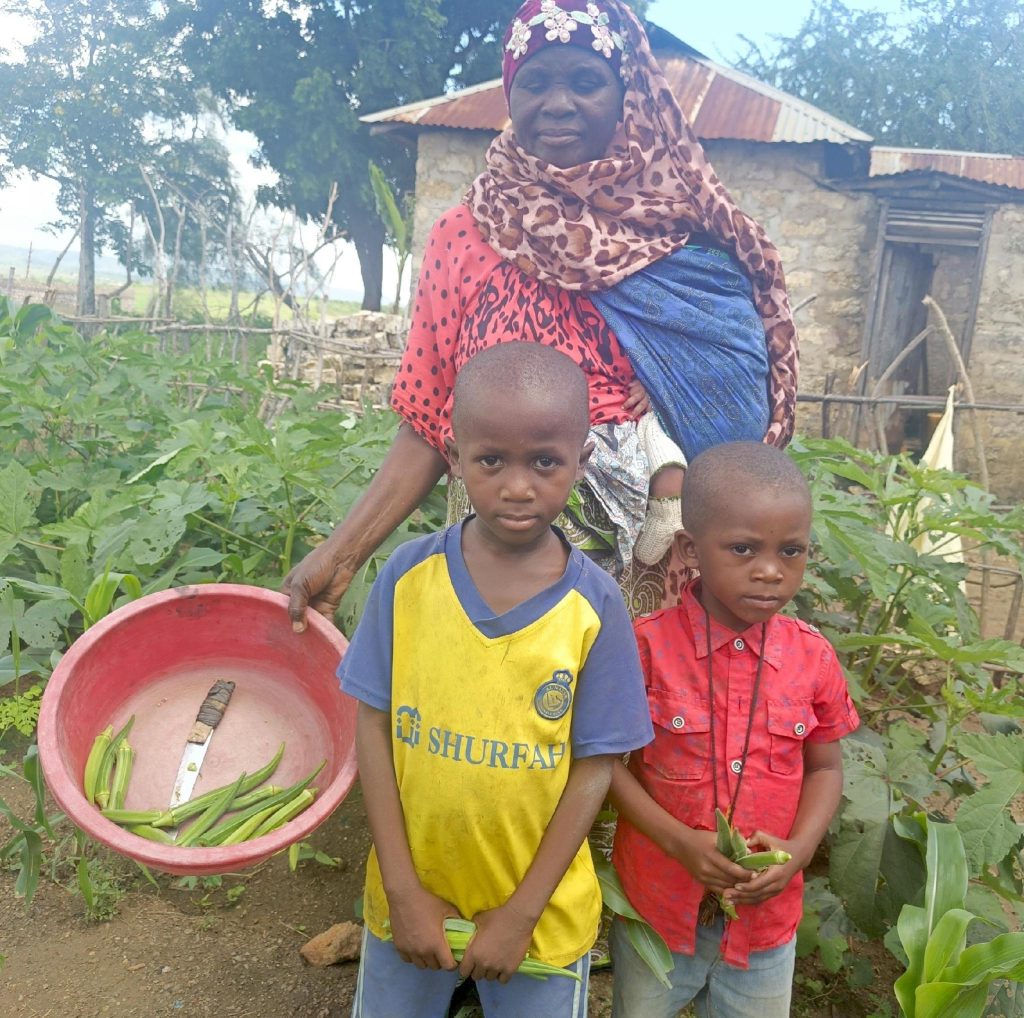
For Niyawa Athumani, a mother of 10, the changes are visible in her household.
“My children have enough vegetables. In fact, they have gained weight, and those who had dropped out of school have returned,” she said. “We have a little money to support us from the surplus we sell.”
The experiences of the women reflect how the gardens are being used for both household food production and income generation.
The approach is also People-Empowered, with women managing the gardens and deciding how to use the food and income generated from their harvests.
Climate change may bring drought and floods again. But the Permagarden cultivators of Mbuguni are no longer waiting. Through their own efforts, they have become resilient and food sovereign, turning empty plots into sources of food, income, and dignity.
The writer is a science journalist.
E-mail: prissyof@yahoo.com