NAIROBI, Kenya -Kenya stands at a pivotal moment in its democratic journey, yet the nation continues to lag behind regional peers in achieving meaningful women’s political representation.
Despite constitutional guarantees, policy frameworks, and public discourse supporting gender equality, women remain underrepresented across elective and appointed positions.
The recent report, The Rights of Women in Political Leadership: Bridging the Gender Gap Towards Kenya’s 2027 Elections, provides a comprehensive analysis of these persistent challenges and offers actionable recommendations to foster an inclusive political landscape ahead of the 2027 general elections.
The 2010 Constitution of Kenya enshrined gender equality as a fundamental principle of governance. Articles 27 and 81 mandate that no more than two-thirds of members in elective bodies shall be of the same gender.
These provisions are not aspirational but legally binding, yet enforcement has proved inconsistent. Political parties, the gatekeepers of candidate selection, continue to favor well-resourced male aspirants.
Nomination fees, stringent party primaries, and limited institutional support disproportionately affect women, reducing the pool of viable female candidates.
As the report highlights, these structural and systemic barriers persist despite growing awareness of the importance of gender balance in governance. Cultural and social norms compound these structural challenges. Traditional expectations often limit women’s ability to engage fully in political life. In many communities, women leaders face scrutiny not applied to their male counterparts, including questions about their capacity to manage public office alongside domestic responsibilities.
The report further notes that women candidates frequently face intimidation, harassment, and even legal manipulation during electoral cycles—a phenomenon increasingly described as “lawfare.” Such
tactics discourage women from participating and reinforce a cycle of underrepresentation.
Financial and network barriers also remain critical obstacles. Political campaigns demand significant resources, yet women candidates often lack access to funding, mentorship networks, and party support structures. Without deliberate interventions, these challenges will continue to prevent women from competing effectively, regardless of their qualifications or community standing.
The report draws comparisons with neighbouring countries, such as Rwanda
and Uganda, where legislative quotas, party-level support, and civic engagement
programs have resulted in higher levels of female representation. These examples demonstrate that intentional policy and social support can produce measurable change.
Institutional compliance is another critical factor. While the law mandates gender parity, political parties frequently submit candidate lists that do not comply with constitutional thresholds, and enforcement mechanisms remain weak. The report recommends the establishment of robust monitoring systems, both at the national and county levels, to ensure compliance.
Strengthening oversight and accountability mechanisms is essential to transforming legal intent into tangible outcomes. The report also emphasizes the importance of genuine inclusion beyond mere representation. Women from youth, rural, and marginalized communities are often excluded from decision-making spaces, even when quotas are met.
True inclusivity requires intentional strategies, such as reserved leadership positions within party structures, mentorship programs, and community-based voter education initiatives that encourage support for women candidates. These strategies not only validate the participation of diverse women but also enhance the quality of governance outcomes by ensuring a broader range of perspectives in policy formulation.
Civil society, media, and development partners have crucial roles to play in closing the gender gap. Women-led organizations provide mentorship, advocacy, and capacity-building support, helping aspiring leaders navigate complex political systems. Media outlets can amplify women’s voices, portray their candidacy positively, and challenge societal biases that undermine their legitimacy.
Development partners can support long-term
voter education programs and candidate preparation initiatives to foster societal
demand for inclusive governance. The report highlights that these interventions are most effective when sustained over multiple electoral cycles rather than implemented as one-off projects.
Ultimately, bridging Kenya’s gender gap in political leadership requires coordinated action across multiple fronts. Legal frameworks set the foundation, but change requires transformation in political culture, party practices, and societal attitudes.
By investing in institutional reforms, providing resources and mentorship, and engaging communities to support female leadership, Kenya can create an environment where women can run, win, and lead effectively.
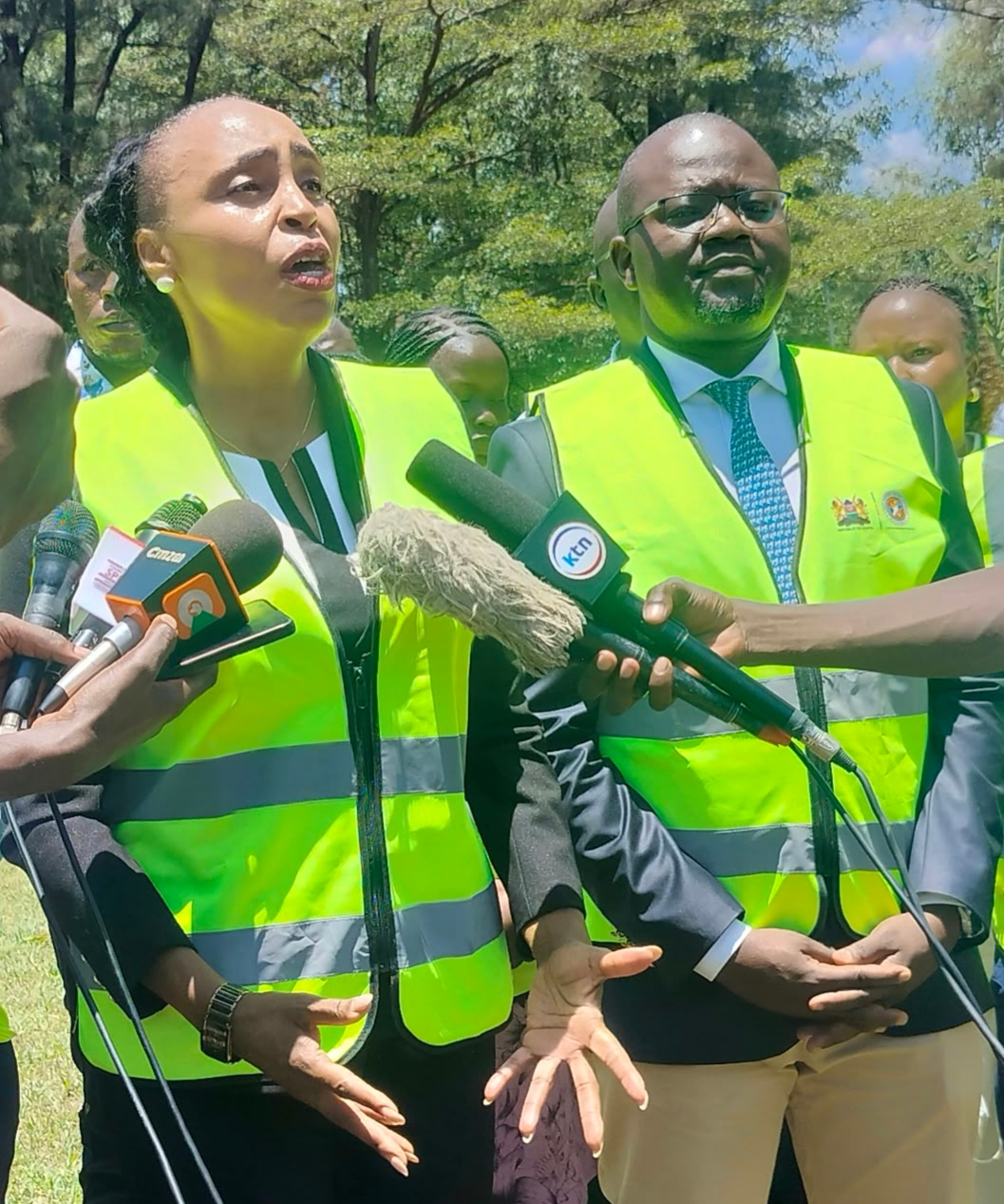
Gender equality in governance is not merely a legal obligation; it is a cornerstone of democratic resilience, inclusivity, and sustainable national development. Photo Courtesy of KEWOPA
This article was first published by the Kenya Correspondents Association (KCA) Bulletin.