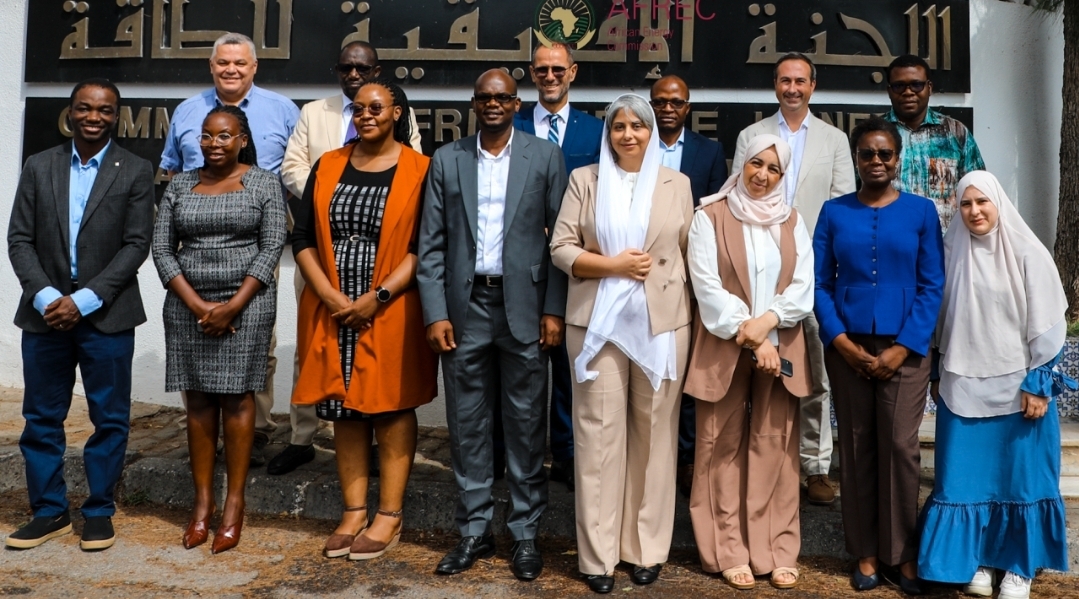
ALGERIA, 31st July 2026 –The African Energy Commission of the African Union convened a validation workshop in Algiers to review its policy paper, “Accelerating Methane Action in Africa: A Comparative Analysis of Methane Emissions Regulations in Africa’s Oil and Gas Sector.”
The two-day workshop brought together experts and stakeholders to assess existing methane regulations across Africa and strengthen recommendations for more effective emissions governance in the continent’s oil and gas sector.
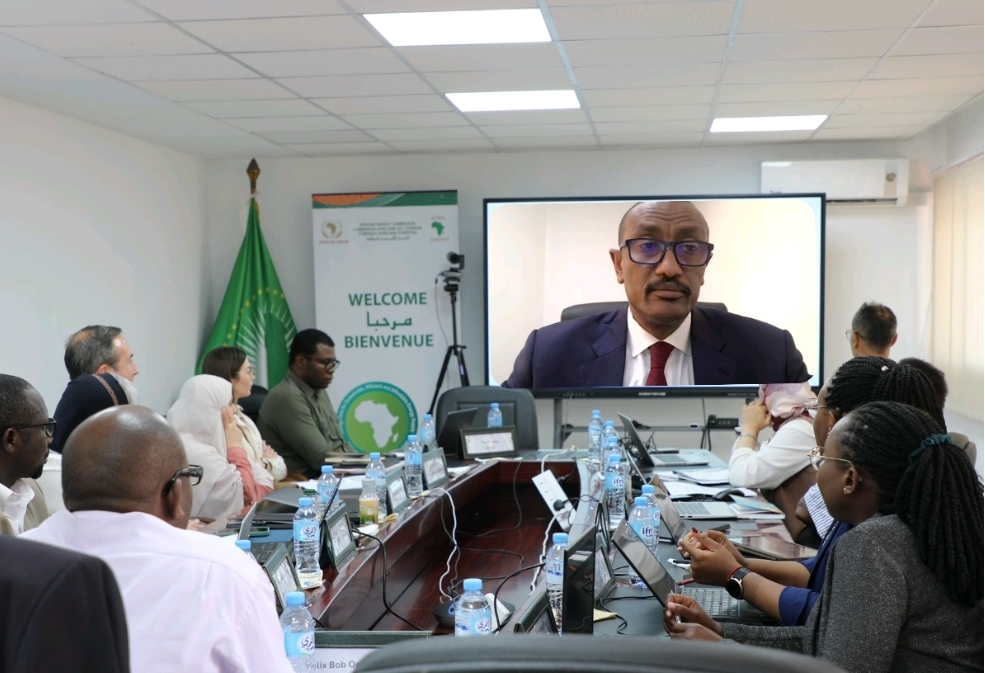
Addressing participants virtually, AFREC Executive Director Rashid Abdallah underscored the importance of accelerating methane action as Africa seeks to advance both its energy and climate objectives.
He noted that reducing methane emissions presents a significant opportunity to improve operational efficiency, recover valuable natural gas currently lost through leaks, flaring and venting, strengthen energy security, and unlock additional economic value for sustainable development.
“Reducing methane emissions from the oil and gas sector is not only an environmental imperative but also an economic opportunity to improve operational efficiency, recover valuable natural gas, strengthen energy security, and generate additional revenues that can support sustainable development,” Rashid Abdallah said.
With Africa’s oil and gas sector continuing to evolve, the workshop highlighted the opportunity for countries to integrate effective methane management into emerging and existing regulatory frameworks.
The policy paper provides a comparative assessment of national approaches, identifies regulatory gaps and good practices, and proposes the Africa Methane Regulatory Readiness Index (AMRRI) which when fully developed will support AU Member States to identify gaps and design interventions that directs support where it can achieve the greatest methane reduction impact.
The workshop also recommended a framework for Africa methane management which is centered around four elements: Measurement, Reporting and Verification (MRV); Mitigation Controls (LDAR, flaring and venting management);Institutional and Enforcement Systems; and Infrastructure and Market Enablement.
The validation process marks an important step in developing a practical resource for African policymakers, regulators and industry stakeholders.
Through this work, AFREC is supporting Member States to strengthen evidence-based methane policies that contribute to a just and equitable energy transition, while reducing emissions, minimising energy waste and responsibly harnessing Africa’s energy resources for sustainable development.(AFREC)