Introduce and enforce mandatory building energy codes and Minimum Energy Performance Standards (MEPS) for all appliances, with cross-border harmonisation.
KISUMU, 4th Oct 2026 -Africa must urgently regulate its building sector and enforce mandatory energy codes to achieve net-zero homes, the African Energy Commission (AFREC) has said.
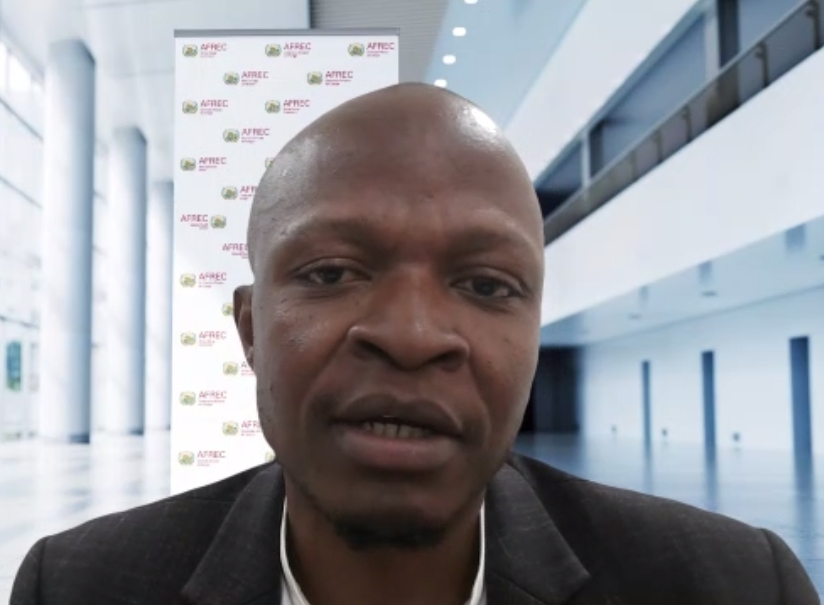
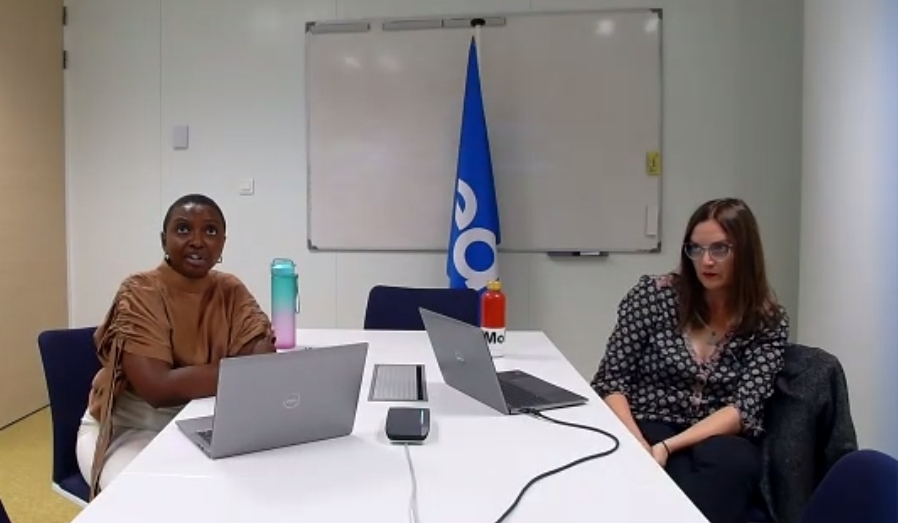
Speaking during a co-hosted IEA-AFREC Webinar Series on September 29, 2026, Eng Nickson Bukachi Ongeri, Senior Policy Officer at AFREC, said the continent is at a critical turning point.
In his presentation titled Towards Efficient and Grid Interactive Buildings in Africa, Eng Bukachi noted that global urbanisation and energy consumption continue to soar, with 9 billion people projected to live in cities by 2050. Of the over 3.5 billion people currently living in cities, one billion live in informal settlements with no proper shelter.
“To accommodate all new urban dwellers for the next 35 years, it is estimated that an equivalent of a new city of one million people should be built every week,” he said.
Yet Africa’s building sector remains largely unregulated. Global status reports show that 75% of buildings in Africa have not been built to comply with energy building codes.
Buildings account for about 32% of the world’s energy consumption and 34% of global CO2 emissions. In Africa, they account for 61% of total final energy use and 32% of CO2 emissions.
Eng Bukachi said AFREC, through the African Energy Efficiency Strategy and Action Plan (AfEES), has set a target of a 50% increase in energy productivity by 2050 and 70% by 2063.
The AfEES roadmap proposes a three-pronged approach to enhancing building efficiency.
First, strengthening and adopting compliance with mandatory building energy codes.
“This will ensure we mainstream energy efficiency measures in building codes and related policies, and adopt compliance mechanisms and minimum energy performance standards,” he said.
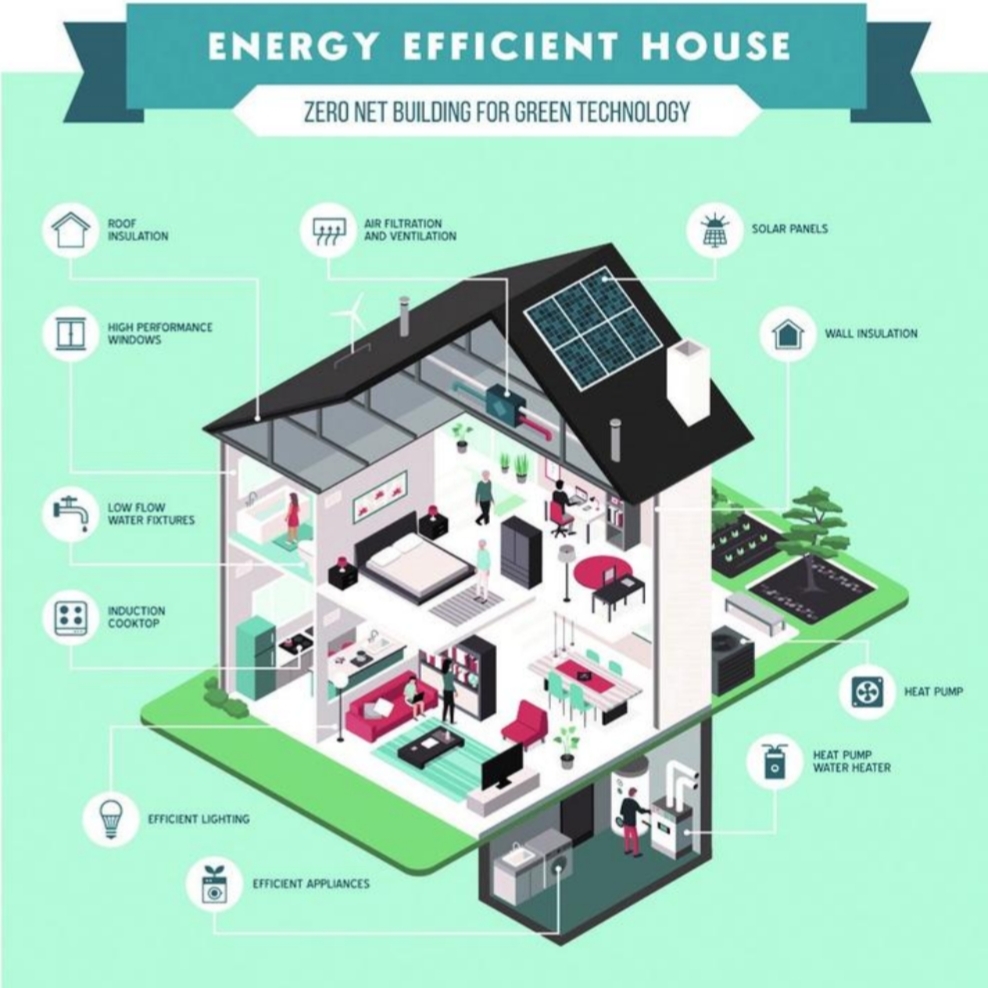
Second, boosting capacity for delivery of energy-efficient buildings by enhancing the capacity of experts through training on building audits and certification.
Third, boosting market demand by providing the necessary environment for increased adoption of energy efficiency measures.
Under its ongoing programmes, AFREC is supporting African Union Member States in developing Guidelines for Energy Performance in Buildings (EPB) and mainstreaming performance in National Energy Efficiency Strategies and Action Plans.
The EPB scope focuses on complex and public buildings of less than 1,000 sqm and more than two storeys, with emphasis on design as the greatest opportunity for efficiency. This includes climate zoning through climatic data collection, psychrometric studies and climate-responsive measures.
To achieve net-zero, Eng Bukachi outlined five strategic imperatives including National Roadmaps and Strategies: “This is to develop ambitious national and city-level building decarbonisation roadmaps linked to NDCs with clear targets and accountability.”
“Standards and Codes at Scale to introduce and enforce mandatory building energy codes and Minimum Energy Performance Standards (MEPS) for all appliances, with cross-border harmonisation.”
Integrated Regulatory Frameworks is needed to align urban planning, energy systems and buildings policy, and establish frameworks for on-site renewables and district-level clean energy.
Data, Transparency and Labelling to close information gaps with building performance data systems, labelling programmes, life-cycle assessment tools and energy benchmarking.
“Finance and Capacity Building to mobilise green finance instruments, build contractor and regulatory capacity, and promote low-cost efficiency technologies and passive design.”
AFREC is a specialised agency of the African Union implementing eight delivery areas, including Energy Efficiency, Energy Transition, Renewable Energy, Capacity Building, Energy Information, Clean Cooking, Bioenergy and Oil and Gas.
The webinar was co-hosted by IEA’s Corine Nsangwe Busenge and Giulia D’Angiolini. An EPB Consultation Workshop has already been held in Senegal as part of ongoing implementation.