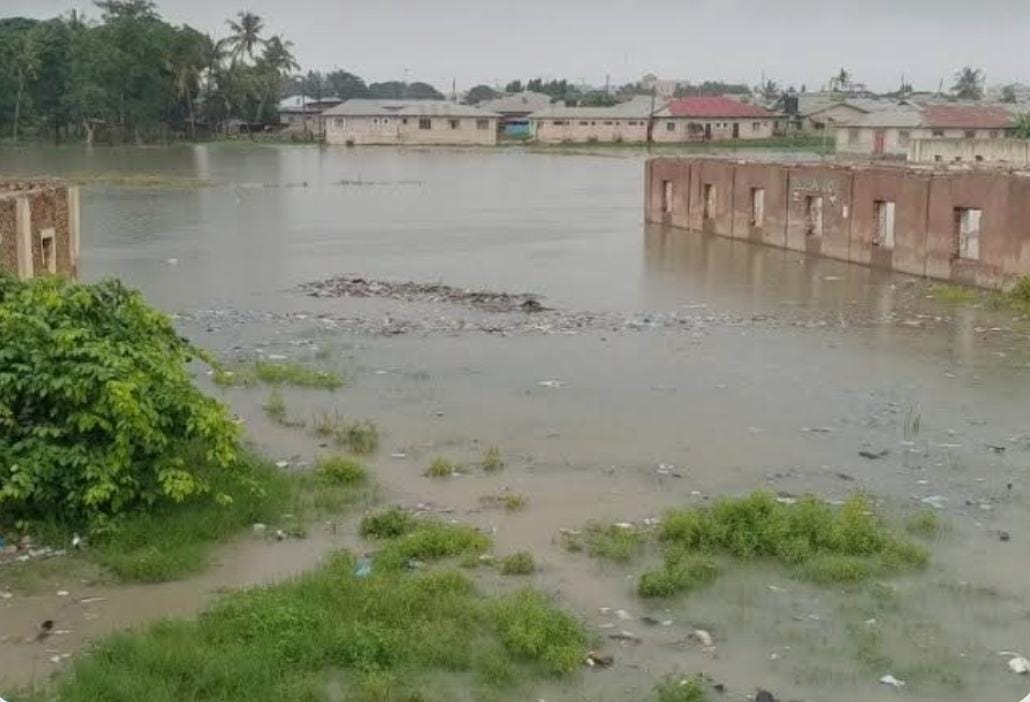
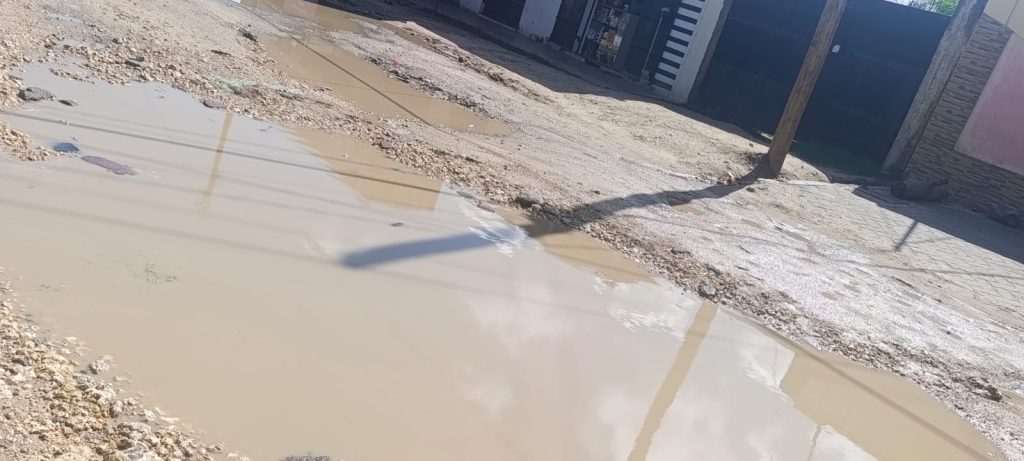
MOMBASA,4th Oct 2026 –For Mombasa residents living in flood-prone neighbourhoods, the warning of heavier El Niño rains is already visible in flooded roads, blocked drainage channels and water creeping into homes.
Intermittent rainfall over nearly two weeks has offered the coastal city an early test of its preparedness.
Residents fear that if the rains intensify from October, the problems seen during ordinary downpours could become much worse.
In Bamburi Kwa Bulo, Bamburi Kisauni, Mwatamba, Palestina, Mshomoroni and Ziwa la Ng’ombe, residents say even short periods of rainfall can make roads difficult to use and threaten homes and businesses.
“Some people sleep on the floor because they cannot afford a bed. If the house floods while they are away, everything they own could be destroyed,” said a resident from Maweni, who called for disaster funds to be used fairly and preparedness efforts to begin before flooding occurs.
For Emily Mlama, a vegetable vendor, the concern extends beyond damaged property.
“Even when it rains a little, roads here flood and water comes into our homes. This increases the chances of getting malaria, dengue fever and Chikungunya,” she said. “If the rain becomes heavier, movement will become even more difficult. We can’t go to the market, and children can’t go to school either.”
The concerns come as the Kenya Meteorological Department forecasts enhanced rainfall during the October-December season, with the Coast among areas expected to receive above-normal rainfall.
Testing Mombasa’s preparedness
Mombasa County says it does not want to wait for floodwaters to rise before responding.
Governor Abdulswamad Shariff Nassir says the county is preparing for flooding, storm surges, coastal erosion and possible infrastructure damage.
“We are fully prepared to respond to potential El Niño-linked disasters such as flooding, storm surges, coastal erosion along the shoreline and infrastructure damage,” Nassir said.
The county has begun clearing drainage channels, desilting manholes and mapping flood hotspots across its 30 wards. It is also preparing evacuation plans, shelters, rescue equipment and emergency supplies.
About 300 officers from county and national agencies have participated in exercises covering rescue, marine safety, casualty management and emergency response.
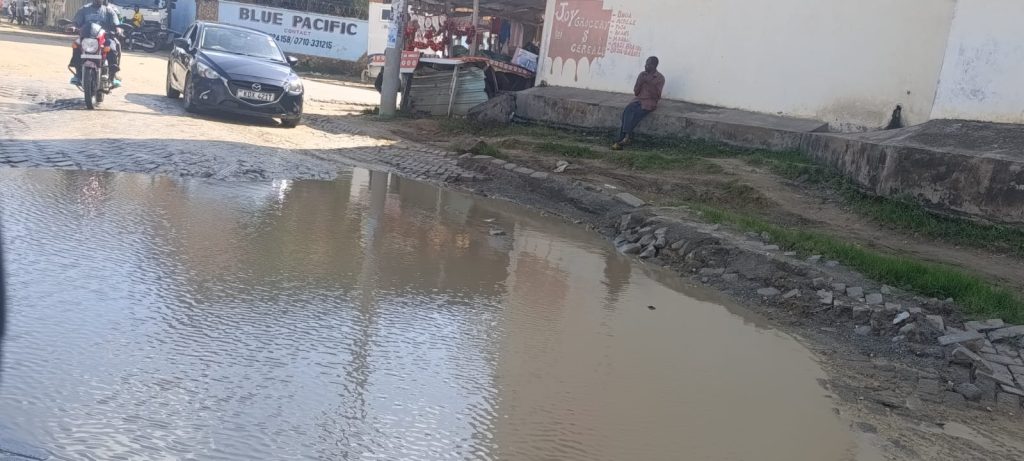
Recent rainfall has provided another opportunity to identify weaknesses in the drainage network. The county says it is using the experience to strengthen preparations before heavier rains arrive and has announced restrictions on roadside construction activities to prevent building materials from being washed into drainage systems.
But residents want these preparations to reach neighbourhoods that flood repeatedly.
“El Niño is like Covid-19; it doesn’t choose whether you are driving or a pedestrian. It will affect all,” said Arnold Junguna, a car owner, calling for increased intervention by both county and national governments.
The drainage problem
One of the biggest challenges is infrastructure constructed close to or over drainage channels. County authorities say such developments can obstruct the natural movement of stormwater, while waste dumped in drainage systems can further worsen flooding.
Mombasa County Chief Officer for Transport Ali Shariff says local administration structures will be used to sensitise residents about flood risks and possible interventions.
“We will hold meetings through the local administration to ensure residents are sensitised about these developments,” said Shariff.
He said residents would be given notice where interventions require demolition or redesigning of structures, while engineers assess possible routes for storm-water drainage.
“There are developments that have been constructed on top of culverts and, as a result, they have blocked the natural flow of storm water,” Shariff said. Engineers have been sent to assess affected areas, with the county considering options including redesigning storm-water drainage systems.
For residents, however, the question is whether the work will be completed before the heaviest rains arrive. When flooding reaches the classroom
Flooding can also disrupt education.
Children in low-lying areas may struggle to reach school when roads become impassable, while damaged classrooms, sanitation facilities and access roads can interrupt learning.
The Ministry of Education has activated preparations to protect learners, teachers and schools while ensuring national examinations continue during the rainy season.
Education Cabinet Secretary Julius Ogamba has directed schools to strengthen disaster preparedness in collaboration with the Kenya Red Cross Society.
Mombasa’s Department of Education and Vocational Training, headed by CECM Mbwarali Kame, oversees education and vocational training in the county.
For children living in flood-prone neighbourhoods, preparedness must therefore translate into safe routes to school, functioning sanitation facilities and learning environments that remain accessible during heavy rainfall.
The health threat after the water
The danger may continue after floodwaters recede. The Ministry of Health has activated an El Niño contingency plan covering all 47 counties.
Principal Secretary for Public Health and Professional Standards Mary Muthoni Muriuki has warned that flooding can contaminate water sources and create mosquito breeding sites, increasing the risk of cholera, typhoid, diarrhoeal diseases, malaria, dengue fever and Rift Valley fever.
Muthoni has called for stronger disease surveillance, protection of water sources and timely access to treatment.
Mombasa’s health department, led by CECM Dr Sabah Ahmed Omar, is responsible for public health and disease prevention alongside other health services.
For Mlama, the health risks are already part of the worry.
“If the rain becomes heavier, movement will become even more difficult,” she said.
A race against the rain
Mombasa’s experience during the 2023 El Niño rains, when nearly 3,900 households were affected, remains a warning for authorities. This time, the county says it wants to act earlier through drainage clearance, flood mapping, evacuation planning and multi-agency response.
But preparedness will ultimately be judged in the neighbourhoods where residents repeatedly watch floodwater enter their homes.
For one family, a blocked drain can mean destroyed household belongings. For a child, it can mean missing school.
For a vegetable vendor, it can mean losing access to the market. And for health workers, it can mean preparing for disease outbreaks after contaminated water spreads through communities.
As the heavier rains approach, Mombasa is therefore facing a test of whether early warnings can become early action.
The question is no longer simply whether the city expects El Niño. It is whether the drainage systems, schools, health facilities and communities will be ready before the water rises. mezamwanza.meza@gmail.com