It highlights Critical Gaps in Clean Cooking and Finance
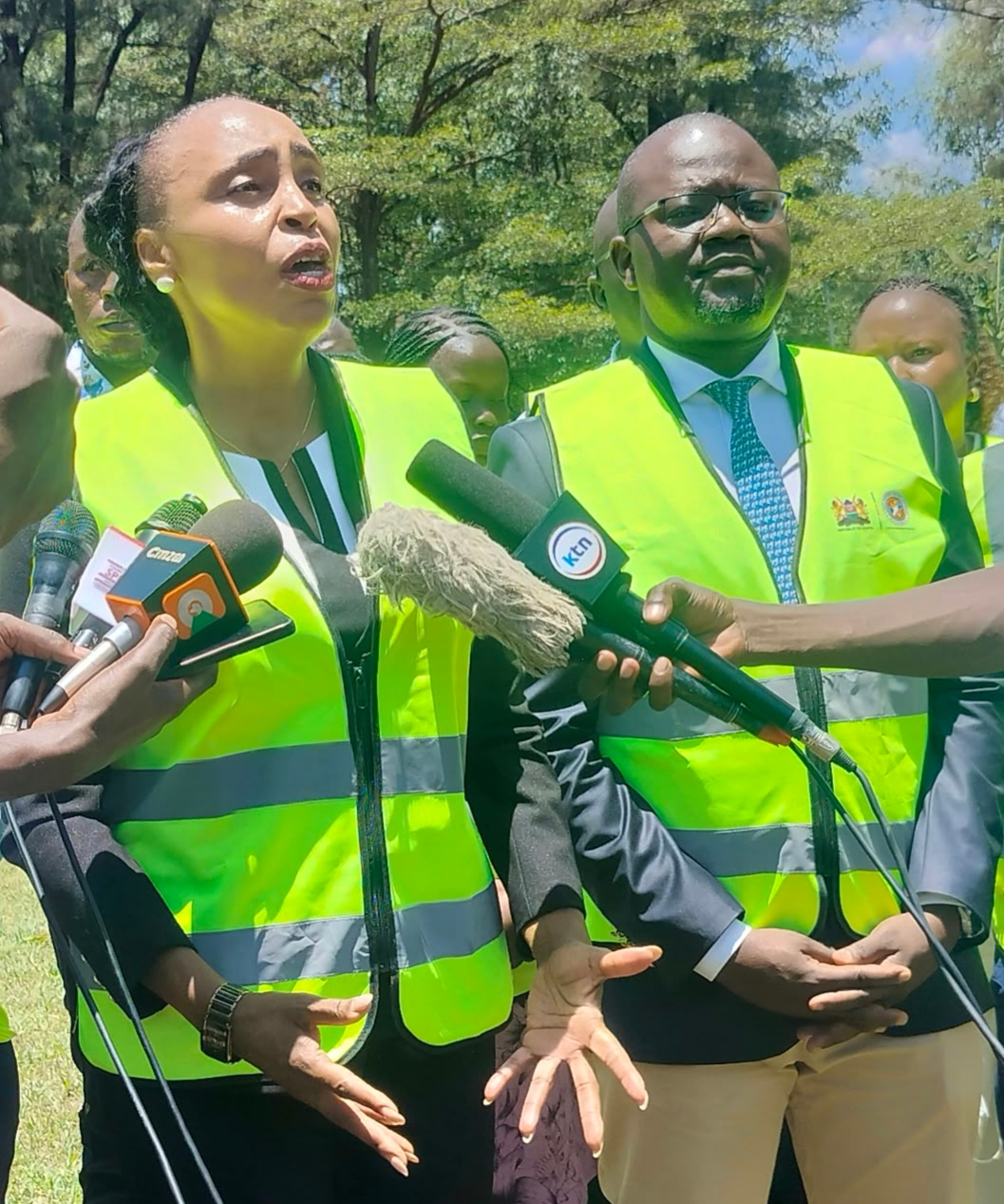
ALGIERS, 6th February –The African Energy Commission (AFREC), a specialised energy agency of the African Union, has launched the 2025 Sustainable Development Goal 7 Report, a definitive assessment of the continent’s journey toward providing universal access to affordable, reliable, sustainable, and modern energy by 2030.
The comprehensive report, covering the period from 2017 to 2023, documents measurable progress but concludes that current efforts are insufficient to meet the SDG7 targets on time. While electricity access has expanded and renewable energy initiatives have begun, the continent is hindered by a severe lack of access to clean cooking, sluggish gains in energy efficiency, and profound financing deficits.
On the right trajectory, electricity access across Africa improved from 51 percent in 2017 to 61 percent in 2023. However, this still leaves approximately 563 million people, predominantly in rural and peri-urban communities, without power.
“Progress, however, is deeply uneven with Northern Africa enjoying near-universal access at 98 percent, while Central Africa languishes at just 28 percent. Rapid population growth in nations like Nigeria and the Democratic Republic of Congo threatens to outpace new infrastructure, eroding electrification gains,” the report partly reads.
The most alarming shortfall is in clean cooking as only 35 percent of Africa’s population had access to clean cooking solutions in 2023, meaning over 940 million people rely on polluting fuels like wood, charcoal, and kerosene. This crisis causes nearly 500,000 premature deaths annually, disproportionately impacting women and children.
However, Northern Africa’s near-universal access, achieved through robust policies and Liquefied Petroleum Gas (LPG) adoption, contrasts sharply with the painfully slow progress in sub-Saharan Africa. Without urgent intervention, over one billion Africans could remain without clean cooking by 2030.
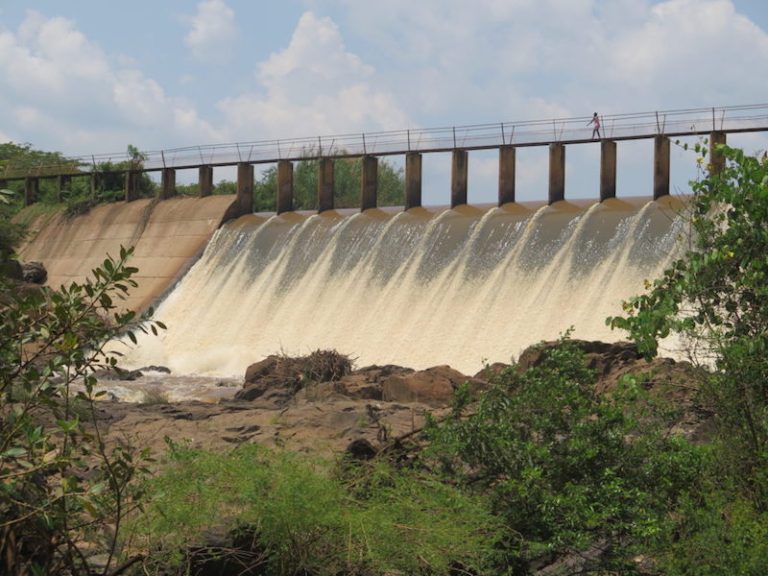
On renewable energy, the report clarifies a complex picture. Renewables account for 69 percent of Africa’s total final energy consumption, but this is overwhelmingly dominated by traditional biomass.
“Modern renewable sources such as solar, wind, hydropower, and geothermal constitute a mere 2 to 3 per cent of consumption. Despite standout successes in countries like Namibia, Morocco, and Angola, broader deployment is hampered by weak investment, policy barriers, and inadequate infrastructure.”
On a worrying trend, Energy efficiency, a critical lever for sustainability, is progressing far too slowly. Africa’s average energy intensity saw a modest decline from 11.93 MJ/USD in 2010 to 11.58 MJ/USD in 2022, an annual improvement rate below 0.5%, which is significantly less than the 2-3% required to meet global targets. Fragmented policy enforcement, a lack of incentives, and weak institutional capacity are primary obstacles.
Financing remains a fundamental bottleneck with an estimated $50 billion in annual investment needed to achieve universal electricity access by 2030, with an additional $4 billion required annually for universal clean cooking access.
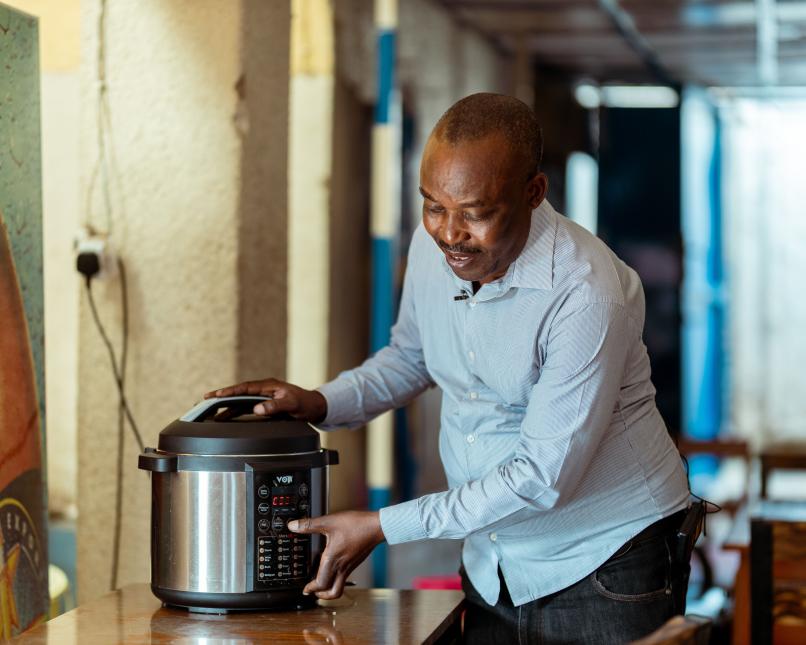
Current flows fall drastically short, with innovative models like blended finance, concessional loans, and Pay-As-You-Go systems emerging, they are insufficient in scale. The report notes a particularly alarming underfunding of clean cooking initiatives compared to electricity projects.
The report identifies major data gaps as a critical barrier to effective action. Insufficient data on off-grid access, clean cooking behaviours, sectoral energy use, and financial flows hinder planning and monitoring.
“Strengthening national data systems through technology like GIS and AI analytics—capacity building, and regional collaboration is deemed vital for evidence-based policymaking.”
In his letter to the 55 AU Member States, AFREC Executive Director Mr Rashid Ali Abdallah stated the report “aims to support informed decision-making, policy formulation, and strategic planning.” He also sought continued engagement and data provision from member states for the preparation of the report’s second edition.
To accelerate progress, the report outlines urgent strategic priorities such as massively scaling up decentralised renewable energy solutions like mini-grids; elevating clean cooking to a top political and financial priority; mobilising large-scale investment through blended finance and public-private partnerships; and integrating regional cooperation, demographic planning, and climate resilience into energy strategies.
It’s worth noting that SDG 7, is a cornerstone of the UN’s 2030 Agenda, targets universal modern energy access, a greater share of renewables, and improved energy efficiency. For Africa, achieving this goal is critical for unlocking economic and social potential, with direct links to improvements in education, healthcare, and economic empowerment, as seen in off-grid solar programs in Kenya and electrification plans in Rwanda.
The reliance on traditional biomass underscores the interconnected crisis as it drives an estimated 500,000 premature deaths yearly, accelerates deforestation, and contributes to climate change. Progress has been steady clean cooking access crept from 31% to just 35% between 2017 and 2023, a 4-percentage-point increase over six years that is outpaced by population growth.
The path forward requires overcoming data challenges through innovative monitoring, robust institutional frameworks, adequate financing for statistics, private sector engagement, and regional collaboration.
Africa’s energy transition is at a pivotal juncture. While progress is evident, it is fragile and uneven. The report warns that without urgent, coordinated, and ambitious action, millions will remain in energy poverty, undermining broader development.
“Ultimately, a data-driven approach will accelerate the continent’s transition to a sustainable energy future, ensuring no one is left behind,” the report concludes.