NAIROBI, Kenya – The Kenya Bankers Association (KBA) has tabled a direct proposal to the government, advocating for a uniform 5% reduction in Pay As You Earn (PAYE) rates across all income bands.
This, they emphasise, is a critical stimulus measure to jumpstart economic growth and strengthen national revenue collections.
In a detailed statement issued Wednesday 4th February, the industry lobby welcomed the existing plan to zero-rate tax for earners of up to Sh30,000 monthly but argued that broader relief is essential to counterbalance rising living costs and the escalating burden of mandatory National Social Security Fund (NSSF) contributions.
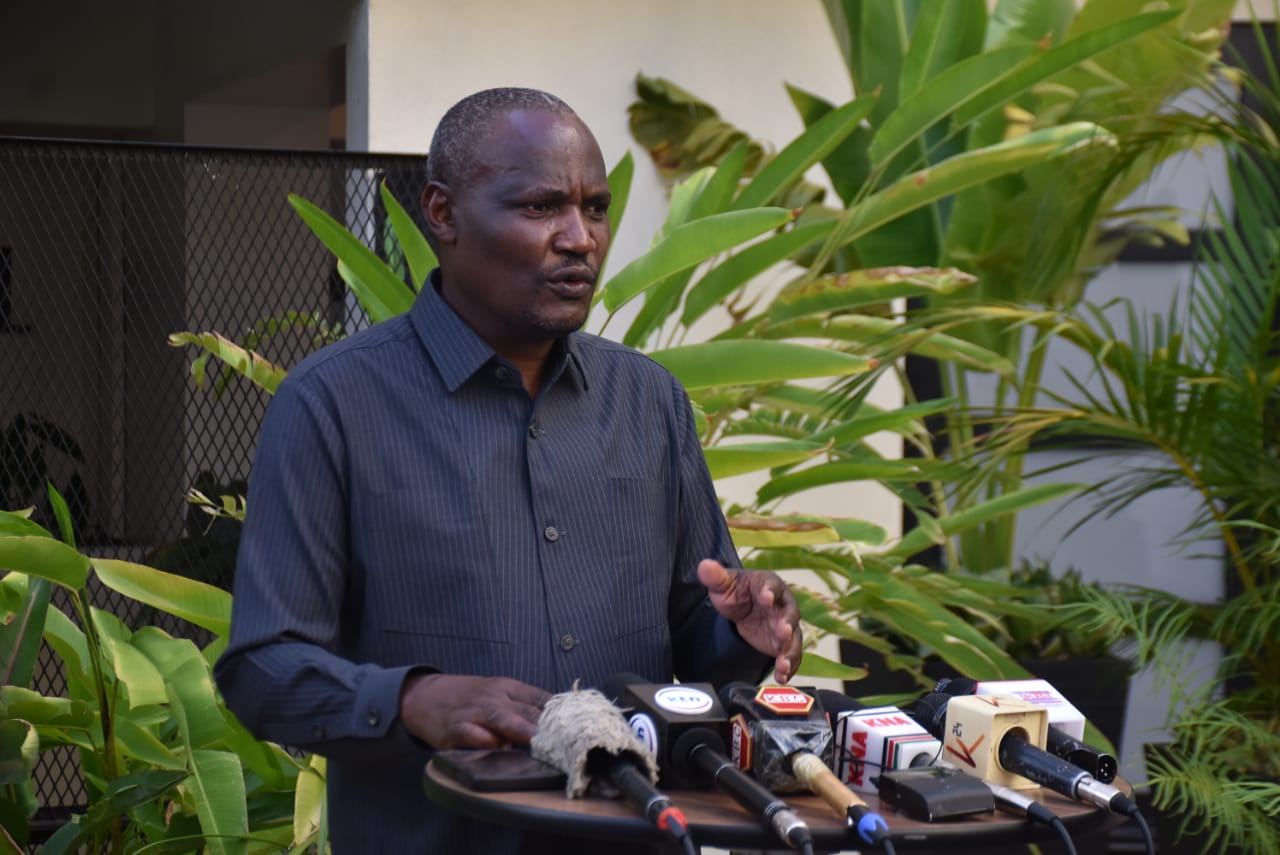
According to Raimond Molenje, KBA CEO their macroeconomic indicators look strong, but challenges persist at the micro level, where 95 percent of businesses operate.
“This is why we are proposing a 5 percent reduction in PAYE across all existing tax bands, along with a cap at 30 percent, to restore purchasing power and generate employment in productive sectors such as agriculture and manufacturing.”
The association positioned the tax cut not as a simple cost to the exchequer, but as a strategic investment. The core argument is that putting more money directly into workers’ pockets will ignite a chain reaction of increased household spending, higher demand for goods and services, and subsequent growth in business turnover and profitability.
“The essence of our proposal is a cross-the-board 5% cut in PAYE rates. This is a strategic growth lever designed to boost disposable income, revitalise consumption, and ultimately broaden the tax base,” the KBA statement read.

It further contends that the government would recoup forgone PAYE through heightened collections from Value Added Tax (VAT), excise duty, and corporate income taxes from a more vibrant economy.The proposal is coupled with a recommendation to cap the top PAYE rate at 30%, aligning it with the corporate tax rate, as stipulated in the 2023 National Tax Policy.
Highlighting wider benefits, the KBA said the measure would support job creation in sectors tied to domestic demand, improve borrowers’ capacity to repay loans, and expand credit access for Micro, Small, and Medium Enterprises (MSMEs).
“It is also presented as a buffer against the cyclical economic slowdown often observed in the build-up to general elections.”
This development follows the recent announcement by the President William Ruto-led government that they will proposing to ease the cost of living for ordinary Kenyans.
“We plan to exempt more than 1.5 million workers earning Sh30,000 and below a month from paying income tax. For a further 500,000 earning up to Sh50,000, we are reducing the tax rate from 30 percent to 25 percent,” Dr Ruto said.
To hasten the process, the Tax Law (Amendment) Bill 2026 is expected to be tabled in the National Assembly soon.
The banking sector, pledging to drive double-digit private sector credit growth, positioned itself as a partner in this growth agenda, suggesting the tax relief would create a more fertile ground for lending and investment.
The proposal now places the ball in the government’s court, setting the stage for potential fiscal policy discussions as the country navigates economic headwinds and seeks sustainable revenue pathways.
romondi99@theeyeswatchmedia.co.ke