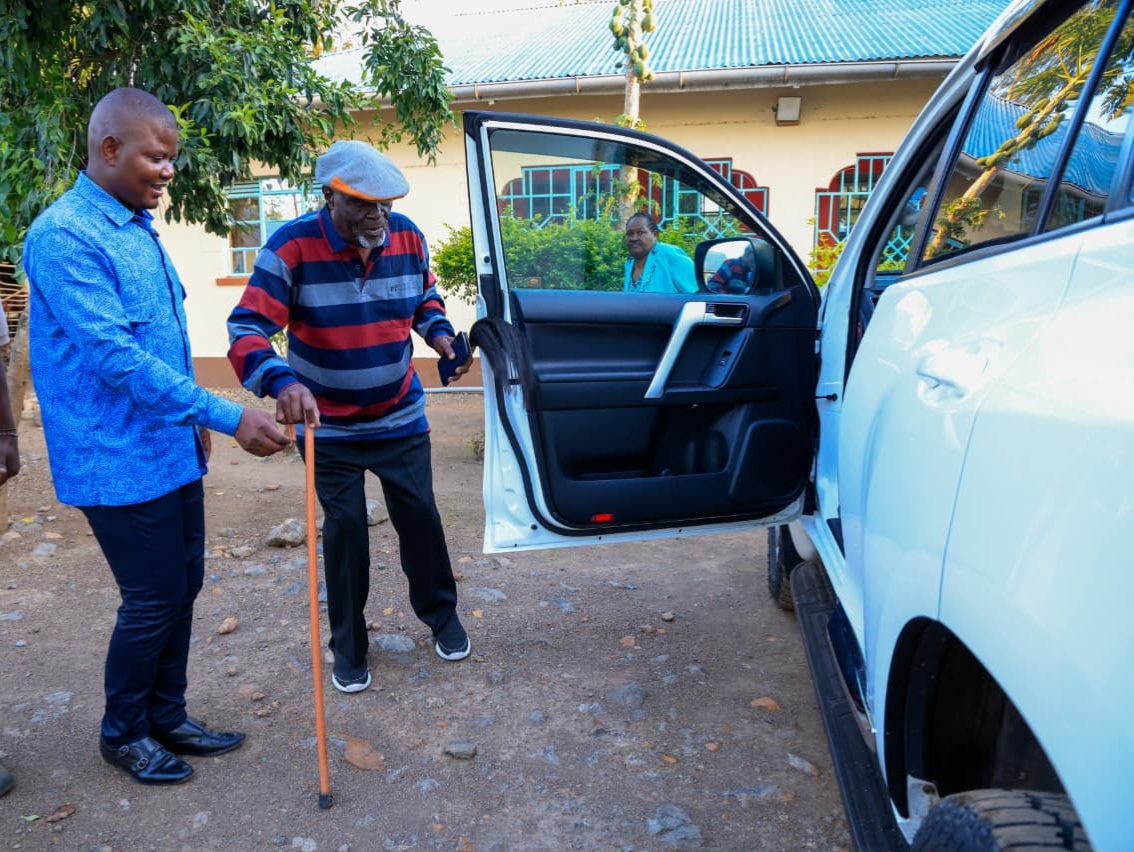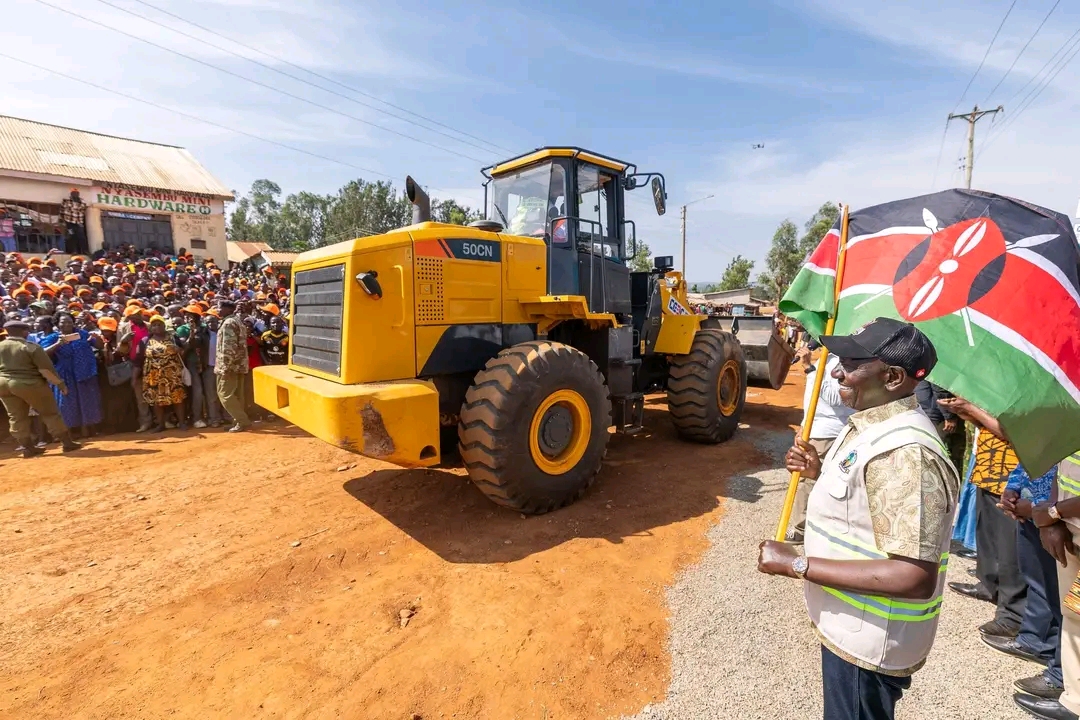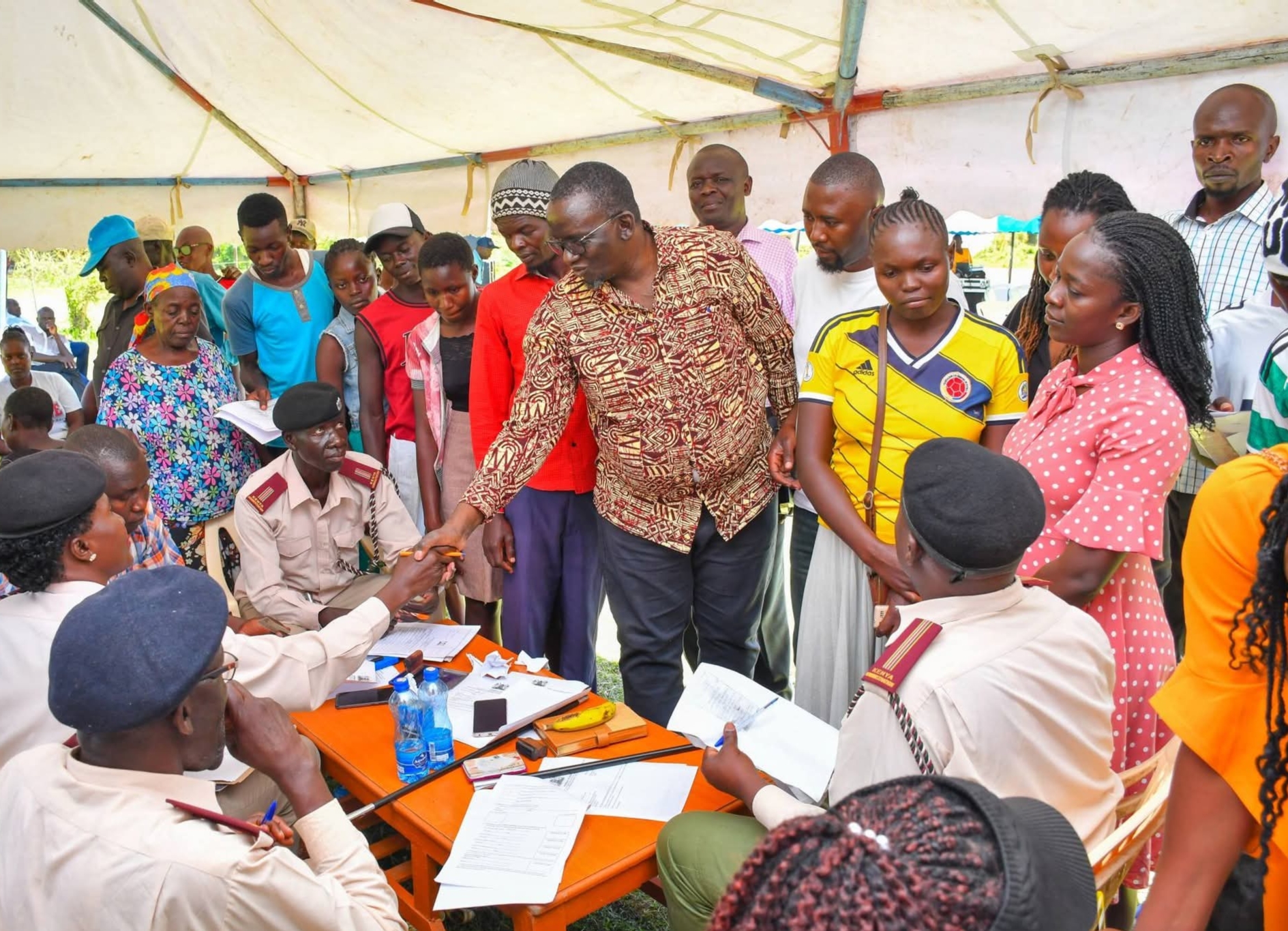
KOBURA WARD, Kisumu,21st January-A major government-led mobile registration exercise is underway in Kisumu County, targeting thousands of adults who have never possessed a national Identity Card.
The initiative, lauded by local leaders and residents, is a critical step toward a larger political goal of increasing the county’s voter registration rate from 49% to 58% of the eligible population, a move that could add approximately 200,000 new voters to the rolls.
The exercise, conducted by the National Registration Bureau in Alendu Primary School, Kobura Ward, Winam Kadibo Sub-County addresses long-standing structural barriers. Joshua Nyamori, an advocate of the High Court and member of the National Housing Corporation Board, explained the historical context.
“For many years this region had been marginalised in government services,” he stated during the exercise undertaken earlier today.
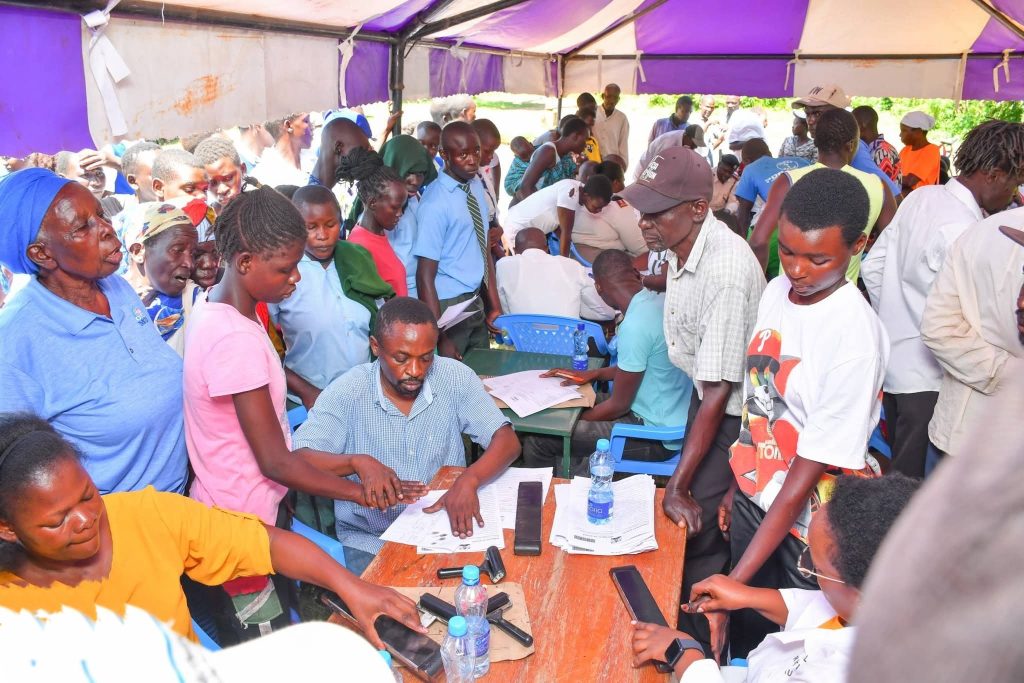
He cited issues like unavailable forms, absent officers, and logistical delays that prevented applications in Nairobi from translating into physical IDs. “The community would complain that applications that have been made do not translate into actual IDs.”
Nyamori highlighted the direct link between ID ownership and voter participation.
“For us in the Lake Region, this is particularly important because we have never been able to show our real numbers in terms of the government register of people registered for IDs, but also the voters’ register.”
He presented a stark comparison: “Nyeri, which has registered 58% of its population as voters, has 491,000 voters. But Kisumu, which has registered only 49%, has 600,000 voters.”
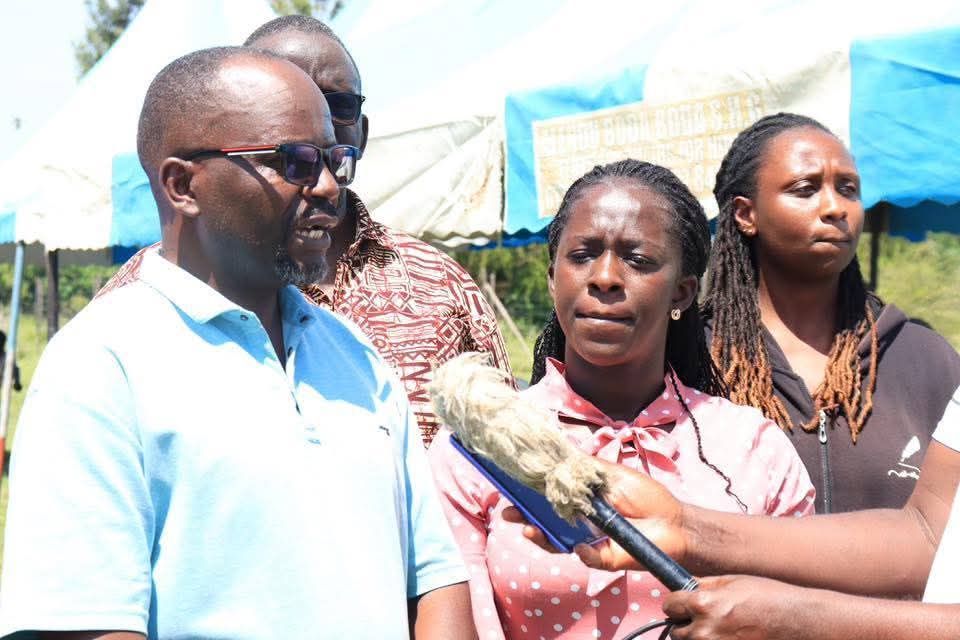
The clear target, he said, is to “reach the same level of percentage of registration as Nyeri” within six months. “In our calculation, if we do that, that would raise the Kisumu voter register to 800,000 people.”
He credited President William Ruto for “enhancing efficiency” and thanked Interior Ministry officials, specifically Principal Secretary Dr Raymond Omollo, for mobilising administrative officers for the village “mop-up.”
On the ground, the urgent need for inclusion was evident as Francis Owuor, Principal Public Communication Officer in the Office of the Deputy President and a local resident, noted that before the drive, only about 58% in the broader area had IDs, with some sub-locations as low as 38%.
“The main thing is inclusion. Administratively, financially, it’s important that our people have an ID,” Owuor emphasised.
An administrator of Winam Kadibo Sub-County also underscored the necessity of the ID for accessing government services, citing the recent ‘Nyota’ youth funds. “We all know as Kenyans that without an identity card, you cannot even call yourself a Kenyan, for you to get assistance even in the social services such as Huduma, you must have an identity card.”
As they continue with concerted mobilisation efforts, they urged everyone within Kadibo Sub-County and beyond to turn up in large numbers. She further lauded the positive numbers from the locals who showed up.
“We are here till the end of the day, waiting for anyone who is still around to ensure that we do this and ensure that everyone who’s never seen an ID, even at their late 70s and above, can get IDs today.”
To capitalise on the ID drive, the Independent Electoral and Boundaries Commission (IEBC) officers were stationed alongside registration clerks to instantly enrol new ID holders as voters.
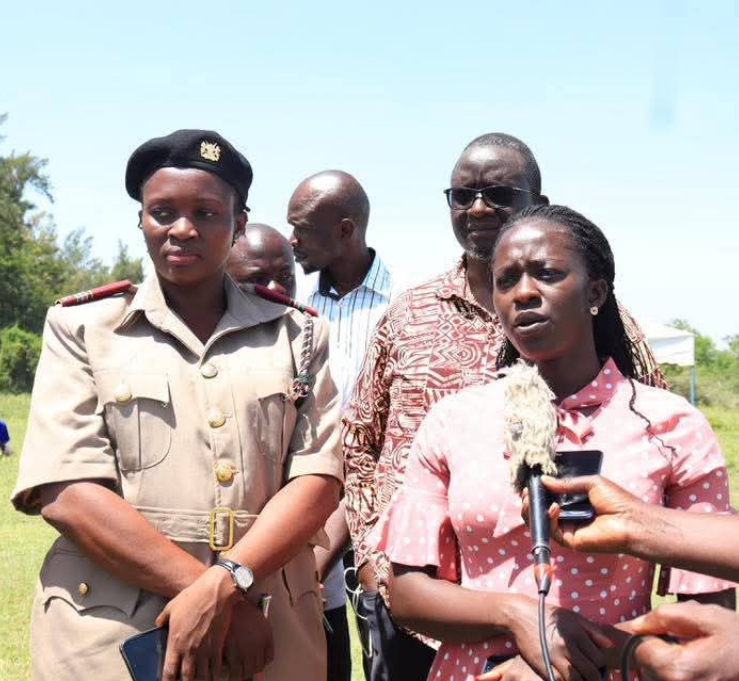
Beatrice Amondi, a Kisumu resident linked the exercise to President Ruto’s campaign promises. “He campaigned on equity and there is a demonstration to that effect. The voter registration exercise currently ongoing in Alendu Primary School is something that our people have really longed for,” she said, thanking the government and partners such as the Kenya Youth Transition Initiative, and Kadibo National Administration officials, for bringing services to the community.
She urged area leaders to continue “mopping out our people to register en masse,” concluding with a pointed political reality: “There’s only value in numbers, if we don’t have it then we are misleading ourselves.”
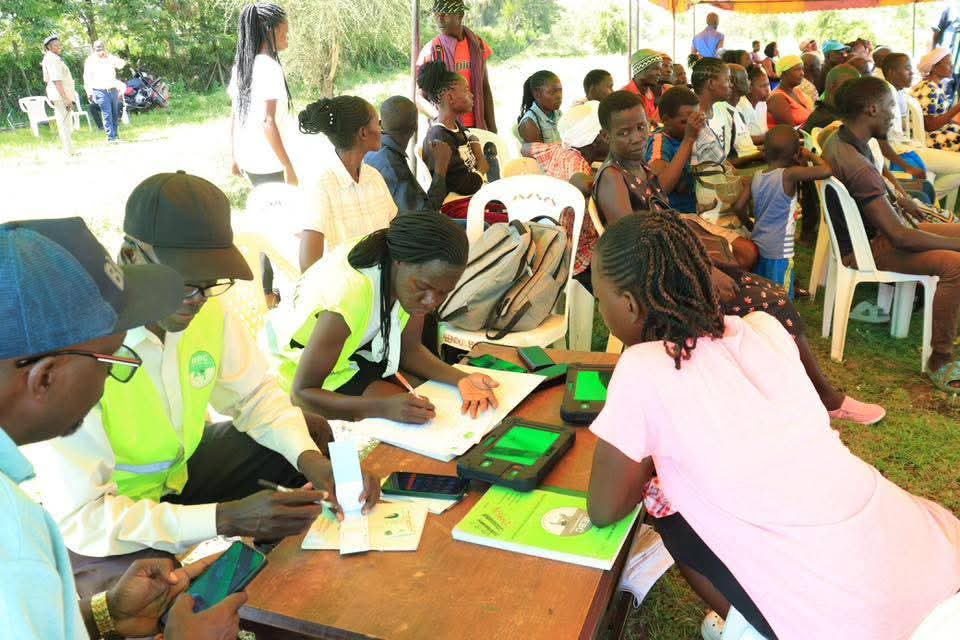
The exercise, the organisers point out, that it represents a dual push to remedy historical marginalisation in civil documentation while strategically empowering a demographic for political participation.
As advocate Nyamori concluded, obtaining IDs and voter cards gives people “a voice and they will count in terms of decision-making in this country.”