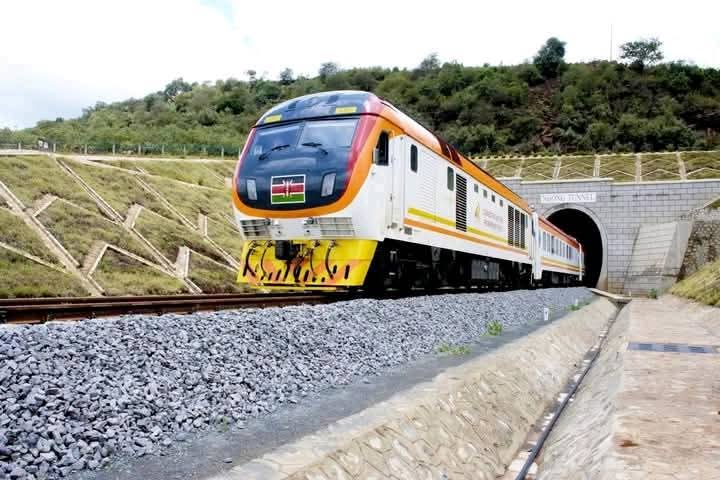
The 475-kilometre extension from Naivasha-Bomet-Kisumu-Busia and Malaba will cost Sh645.8 billion.
KISUMU, Kenya — After years of anticipation, residents of Kisumu have warmly welcomed the impending extension of the Standard Gauge Railway (SGR) from Naivasha to the lakeside city, describing the long-awaited project as a transformative force for both local communities and the wider East African region.
The Sh 645.8 billion project, set to break ground between March 18 and 20 from the Suswa/Naivasha station, will unfold in two key phases: the Naivasha-Kisumu leg costing Sh383 billion, and the Kisumu-Busia-Malaba stretch valued at Sh262 billion.
The 475-kilometre extension to Malaba includes a 269-kilometre line from Naivasha to Kisumu, with an approximately 83-kilometre spur from Sondu through Ahero into Kisumu city, before continuing toward Malaba via Kisumu West Sub-County. Plans also include the construction of a modern terminal at Kodiaga, which will necessitate the relocation of Kanyamony Primary School from its current site.
For local business owners, the project represents a significant leap forward. Wilkista Wayoma, a businesswoman, highlighted the potential benefits for Small, Micro, and Medium Enterprises (SMEs).
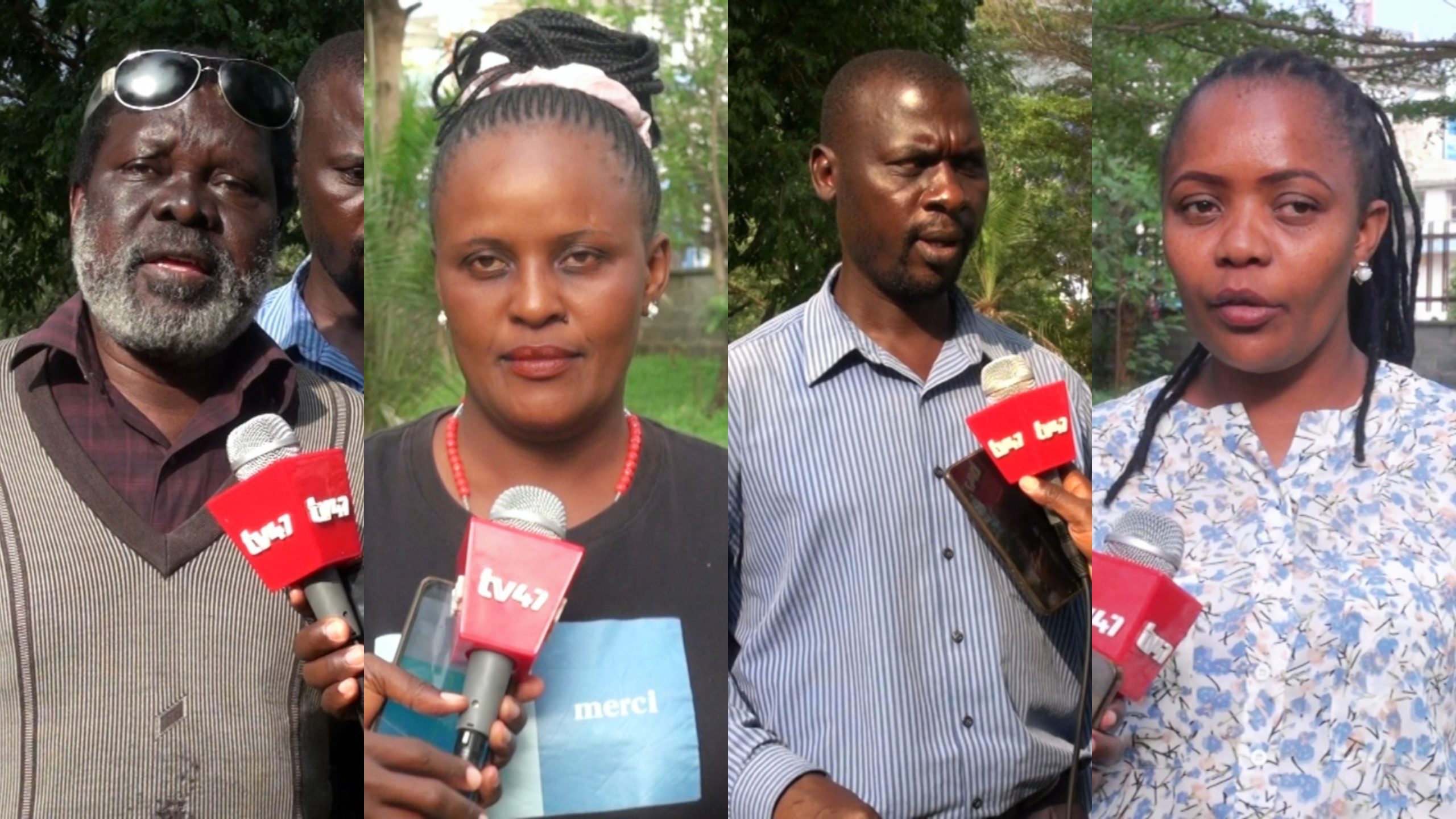
“We are very happy about it as it will give us an improved and good travel experience. While the current Meter Gauge Railway (MGR) has been good, the SGR brings heightened hopes that it will speed up transport, lower costs, and make doing business easier,” she said during a media interview at the Jaramogi Oginga Odinga Sportsground on Tuesday, February 24th.
This optimism was echoed by other residents, including Jacob Akat, Caroline Kemunto, and Caleb Danga, who pointed to the project’s potential to boost the Western Tourism Circuit by attracting more international visitors, while simultaneously enhancing trade and easing transportation across the lakeside counties.
They emphasised that the SGR would significantly cut costs for the business community, particularly the expense of importing goods, ultimately helping to lower the cost of living.
Mr Akat expressed gratitude to President William Ruto for the initiative, stressing Kisumu’s pivotal role as a commercial hub for East Africa. “By connecting the lake basin with the SGR, Kisumu becomes an even more vital centre for business communication,” he noted.
“Crucially, it will create jobs for our youth and women. This region is rich in resources, from minerals to fish farming, and the SGR will enhance business opportunities, benefiting not only Kenyans but also our neighbours in Rwanda and Uganda.”
Caleb Danga, Chairman of Ground Opinion Civil Society, underscored Kisumu’s strategic position as a gateway for international trade. He argued that the SGR, alongside other infrastructural developments, would stimulate economic growth and link the region to global markets.
“The government must support SMEs and prioritise community CSR initiatives to ensure local populations genuinely benefit from these emerging opportunities,” Danga urged.
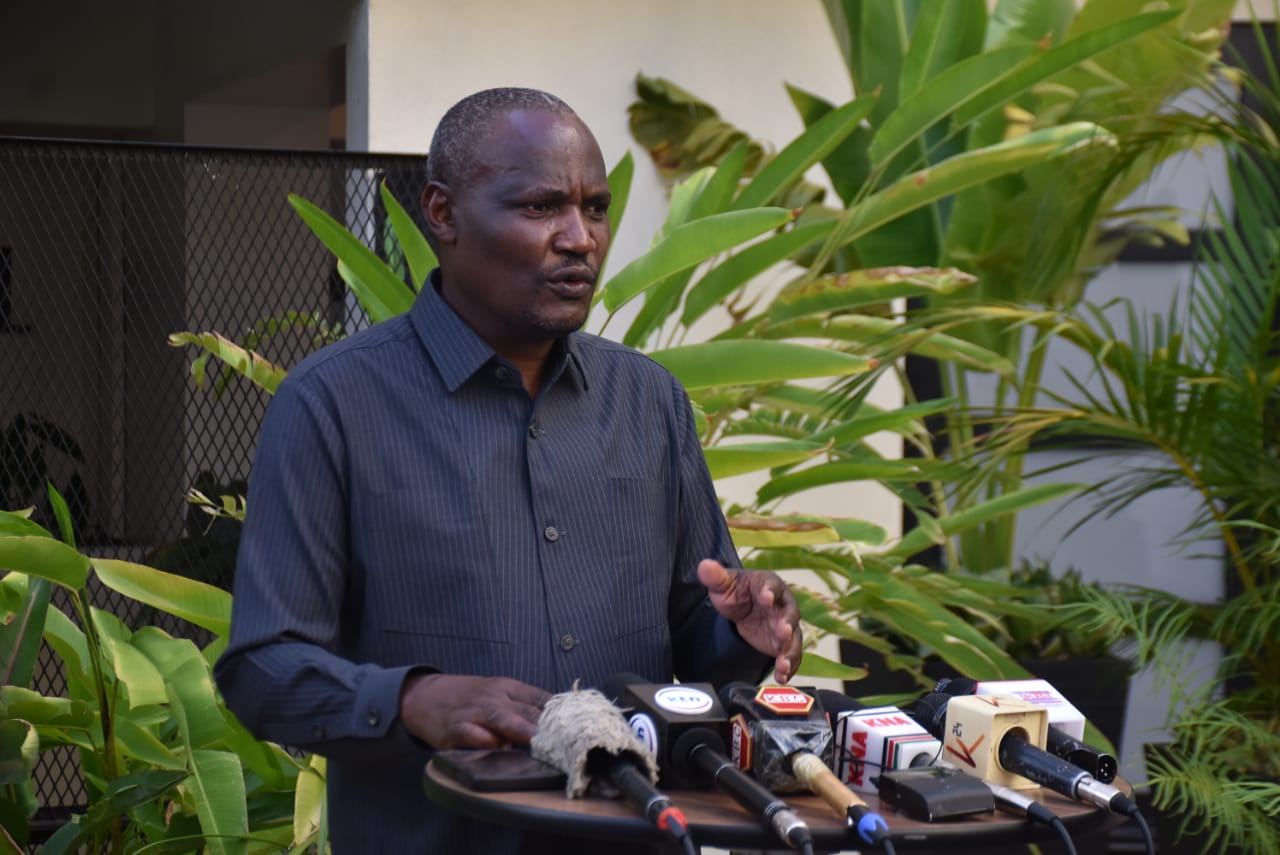
On his part, Kisumu County Governor, Prof. Anyang’ Nyong’o, framed the project as more than just a transport upgrade. “This is not just a railway project; it is a structural economic intervention,” he asserted.
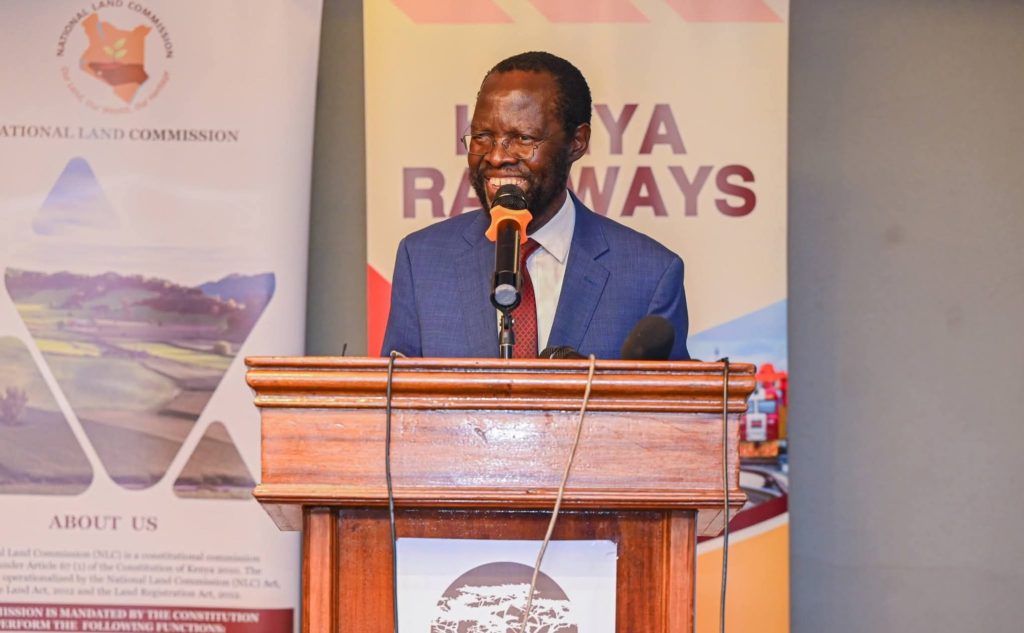
“Modern rail infrastructure can redefine trade efficiency, slash logistics costs, and reposition our entire region within national and global value chains. The extension to Kisumu and onward carries similar—if not greater—promise for the Lake Region and our hinterlands,” he added while addressing a key stakeholders’ consultative meeting held on Tuesday in Kisumu.
The meeting, which brought together Kenya Railways Managing Director Phillip Maingi, officials from the National Land Commission (NLC), and national and county government representatives, focused on critical issues such as compensation for Project Affected Persons (PAPs), youth involvement in construction, and environmental safeguards.
Prof. Nyong’o further stressed the importance of meaningful local participation, job creation for both skilled and unskilled youth, and the inclusion of local enterprises in procurement and supply chains.
“Responsible environmental management, fair and transparent community engagement, and aligning the railway corridor with sustainable urban planning will be vital for the project’s success,” he said.
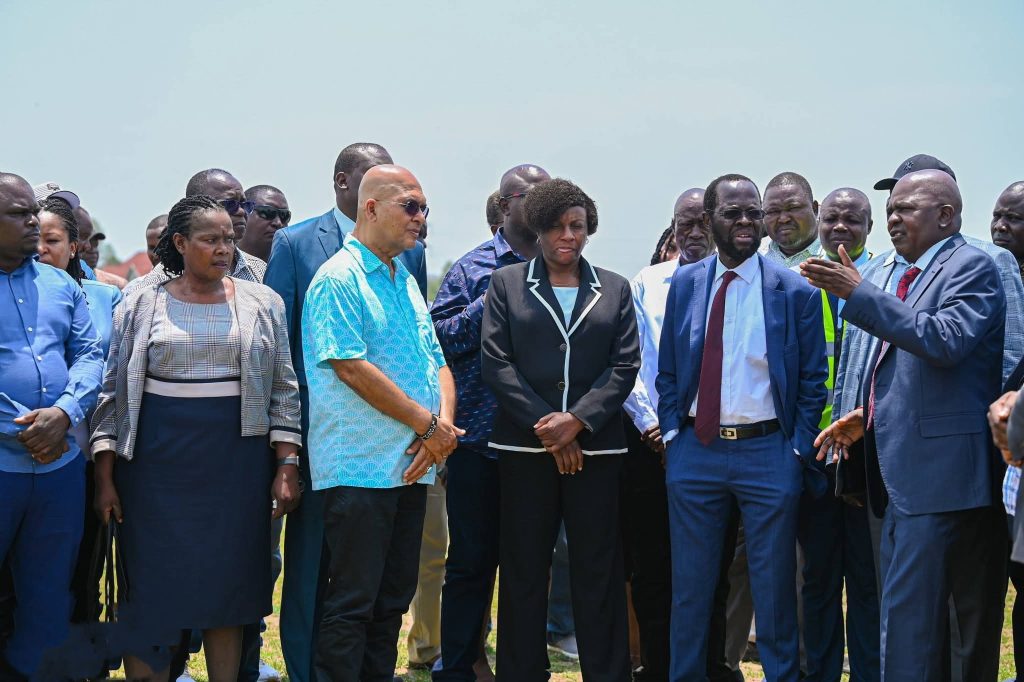
The forum was followed by a site visit to the proposed SGR Terminus in the Kibos area, where stakeholders assessed the location and gained first-hand insight into the project’s sco
According to Kenya Railways, the SGR Phase 2B project will span approximately 264 kilometres and include significant infrastructure: 79 railway bridges stretching about 43 kilometres, eight tunnels totalling 14.26 kilometres, and 376 culverts covering roughly seven kilometres.
“The initial phase will feature 26 stations comprising one major station, six intermediate stations, and 18 crossing stations along with one freight port facility. An 8.68-kilometre branch line will also connect the main railway to the proposed Kisumu Port, incorporating one bridge and eight culverts,” Maingi confirmed.
Beyond Kisumu, the SGR is expected to revolutionise public transport in the North Rift and Western regions once it reaches the border town of Malaba, particularly benefiting commuters from as far as Kitale and Eldoret.
Residents in this region are also suggesting that for towns already served by the MGR, the government should consider introducing commuter rail services on feeder routes by acquiring modern passenger coaches.
To address land-related concerns, the National Land Commission announced the formation of a tribunal to arbitrate cases involving lands still under succession.
“We will also embark on consultative engagements at the village level, under the leadership of the Kenya Railways Corporation and the National Land Commission,” the NLC assured.