
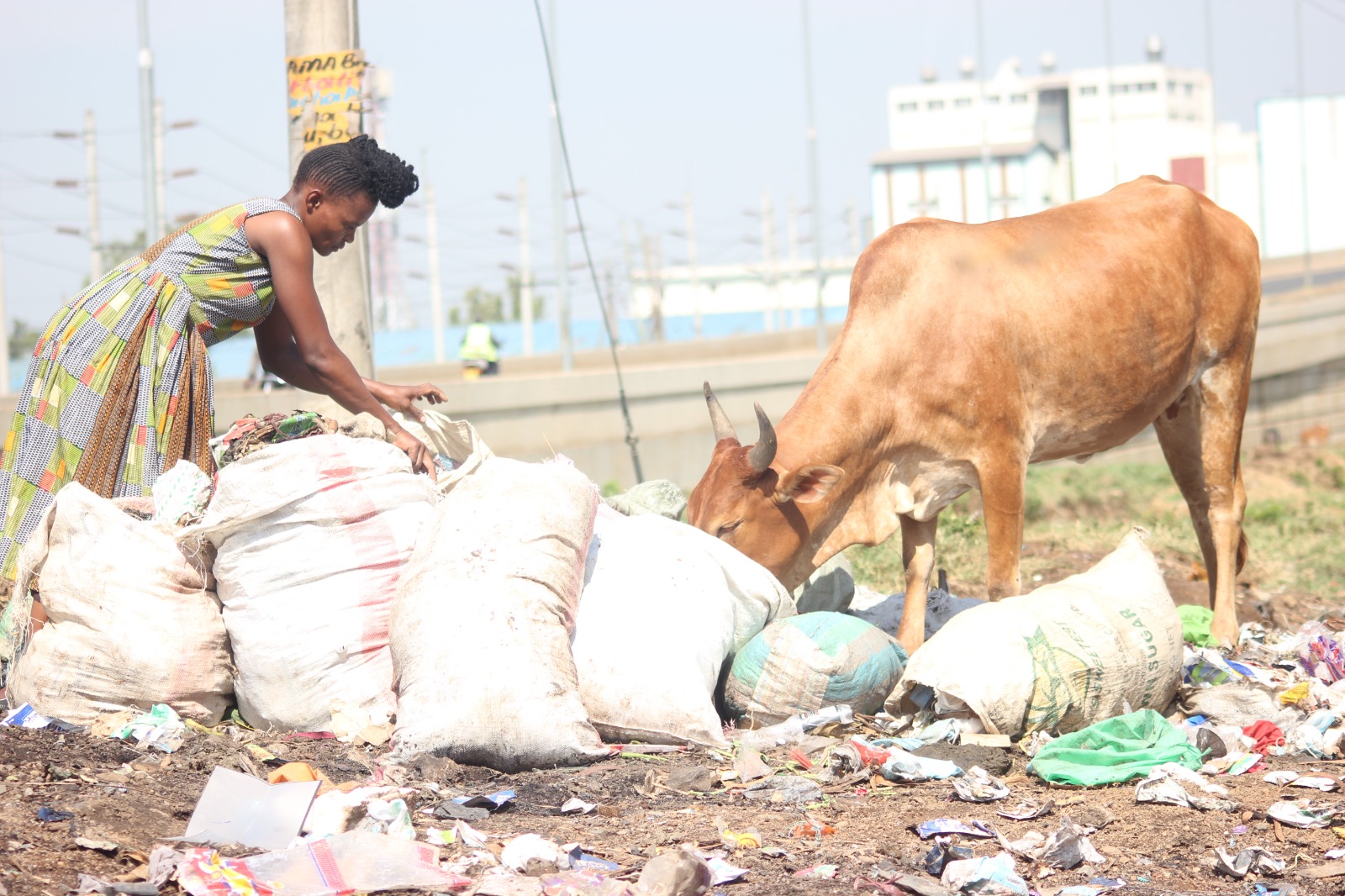
In 2021, the United Nations reported that disposable diapers are one of the biggest contributors to plastic waste globally.
According to the report, every minute around the world, over 300,000 disposable nappies/diapers enter landfills, incinerate or pollute the environment, including our oceans.
In the EU alone, it is estimated that 33 billion single-use nappies/diapers are consumed every year, resulting in around 6.7 million tonnes of waste annually.
Globally, the numbers are only expected to grow due to improving economies, urbanisation, increased availability and marketing, and a growing global population.
There is mounting evidence of the negative effects of plastic waste on human health, the environment and economies globally, with some island nations and low-income urban centres disproportionally affected.
The island nation of Vanuatu, for example,, is considering the ban on disposable diaper waste after it was revealed that nappies/diapers account for nearly a third of the nation’s solid waste.
There are no simple solutions to dealing with disposable diaper waste.
They typically contain a mix of wood pulp and plastics including amazing materials such as Superabsorbent Polymers (SAPs).
These SAPs absorb 300% of their weight in urine, puffing up as they do and stopping it from leaking out or making a child’s skin wet.
They are one of the reasons why disposable diaper technology has improved so much over the last few decades.
Once used, these different materials, together with human pathogens, are wrapped up in more plastic and swiftly binned.
At processing waste plants this mixed plastic waste is difficult and expensive to separate.
So, the majority of them end up in landfills or incinerated, contributing to greenhouse gas emissions and climate change.
Untreated plastic waste also ends up in our soil, water and oceans and is linked to the destruction of ecosystems and marine life.
Therefore, a team of researchers at University College London(UCl) is analysing four ways to address this problem namely ban, reduce, reuse, recycle and compost, to understand how best we can begin to address it.
Dubbed the Big Toilet Project and approved by the UCL Research and Ethics Committee (0364), the international research project is about opinions and behaviours towards child toilet training.
The study comprises a short online survey about opinions and behaviours towards child toilet training, and an optional Toilet Training Diary to share current toilet training experiences.
It is part of a UCL project called the ‘Comfort Loop: A systems approach for sustainable absorbent hygiene products’, which is funded by UK Research and Innovation (UKRI).
UKRI is a non-departmental public body sponsored by the UK Government. The Project Lead is Professor Mark Miodownik, UCL Professor of Materials and Society.
The study comprises a short online survey about opinions and behaviours towards child toilet training, and an optional Toilet Training Diary to share current toilet training experiences.
The study will continue until September 2026.
Whilst challenges exist with all models, early findings when looking at the growing use numbers was that in many high-income countries, the average toilet training age of children increased from 28 months in the 1950s to 37 months by the 2000s.
This means that the number of disposable diapers per child has increased in high income, though the root causes of this increase are not clear.
However, it is noteworthy that in lower and middle-income countries, toilet training ages are typically lower, with some achieving continence at 12 months.
Thus, the Big Toilet Project is the first global attempt to understand people’s practices for toilet training children, to understand the root causes and to inform future strategies that work for parents, children and the environment.
Stakeholders in environmental concerns in Kenya also believe that this is a crucial global research whose outcome would bring a lot of positive impact on the environment, especially because of Diapers/Nappies.
This study is for parents/adults responsible for making decisions about child toilet training, who currently carry out toilet training or are ready to start toilet training (participants aged over 18 yrs).
By taking part in this study, you will help identify key behavioural and environmental issues impacting child toilet training internationally.
The information you share with us will feed into our open-access reports and Blog.
With your consent, we will keep you up-to-date with the study as it develops.
The results of this project will be shared with policymakers and manufacturers, as well as other interest groups concerned with absorbent hygiene product use (i.e. nappies/diapers).
At the end of the project, anonymised data will be archived for future research use.
According to lead teams, participants will be kept updated about the progress of the study, which will be done through the Big Toilet Project optional mailing list and UCL’s Plastic Waste Innovation Hub homepage, where a summary of the latest results will be shared annually.
In the lakeside city of Kisumu disposal of diapers/Nappies is becoming a major headache for many households in informal settlements.
A lot of concerns have been raised by locals including environmentalists and human rights defenders.
Residents claim the county has not come up with a solution on how to dispose of diapers.
Manuel Oyuga, a waste channel in Nyalenda estate within Kisumu City’s informal settlements, has to collect and sort out garbage daily.
Each day, he makes sure that all the garbage collected from the eight houses is sorted before disposing of, burning or incinerating them.
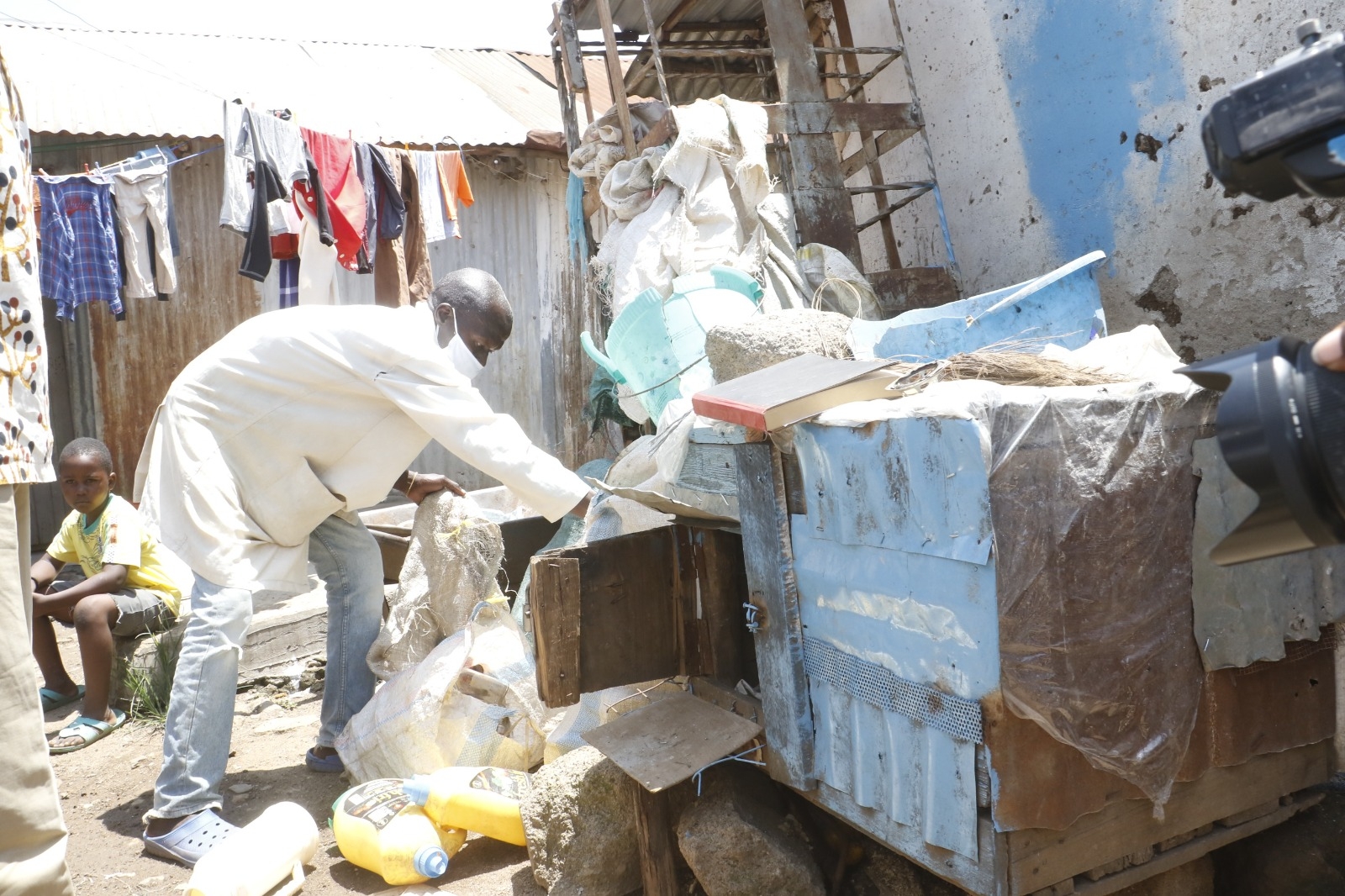
Oyuga has to separate the diapers from the other mounds of garbage, collected from the estate he wants to burn.
He says that the diapers don’t decompose and don’t burn well; hence, getting rid of them becomes difficult.
“Sometimes I am forced to take them to the collection point where the county trucks pick them,’’ he explains.
The disposal of diapers in Kisumu is becoming a major headache for many households in rural and urban centres.
This comes amid concerns raised by locals, environmentalists and human rights defenders on the diaper disposal menace.
The county authorities, Oyuga notes, have not yet come up with a solution on how to dispose of the refuse.
However, this is not the case for other caretakers who throw diapers along the roads or in prohibited places at night because they cannot afford to transport the garbage to the main dumpsite.
Mary Atieno, a waste picker from Nyawita says on average, she can use a minimum of four diapers per day.
She says they were throwing the disposable diapers in pit latrines despite a warning by their landlords that the toilets were filling.
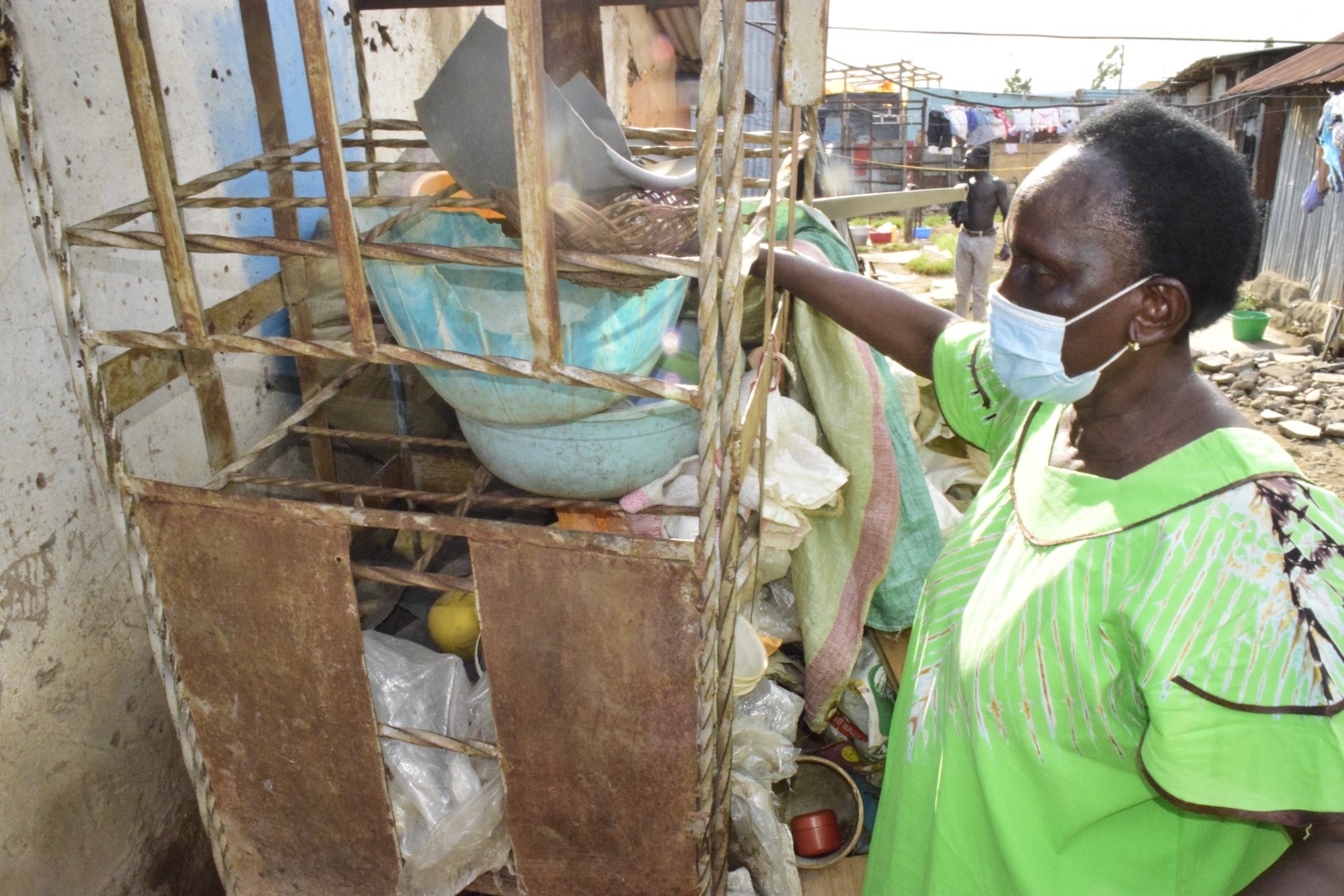
Atieno noted that caretakers and landlords have been reluctant to provide them with an environmentally friendly disposal method.
“Left without options, we pay some street boys to go and dispose of for us the diapers,” she said.
Currently, there is competition in the diaper market with Kenyan mothers spoilt for choice as over 10 brands flood the supermarkets.
Some time back, Kenya Environmental Action Network, in partnership with the Kisumu Environmental Champions, held the International Climate Strike in Kisumu to draw attention to historical injustices in the environment.
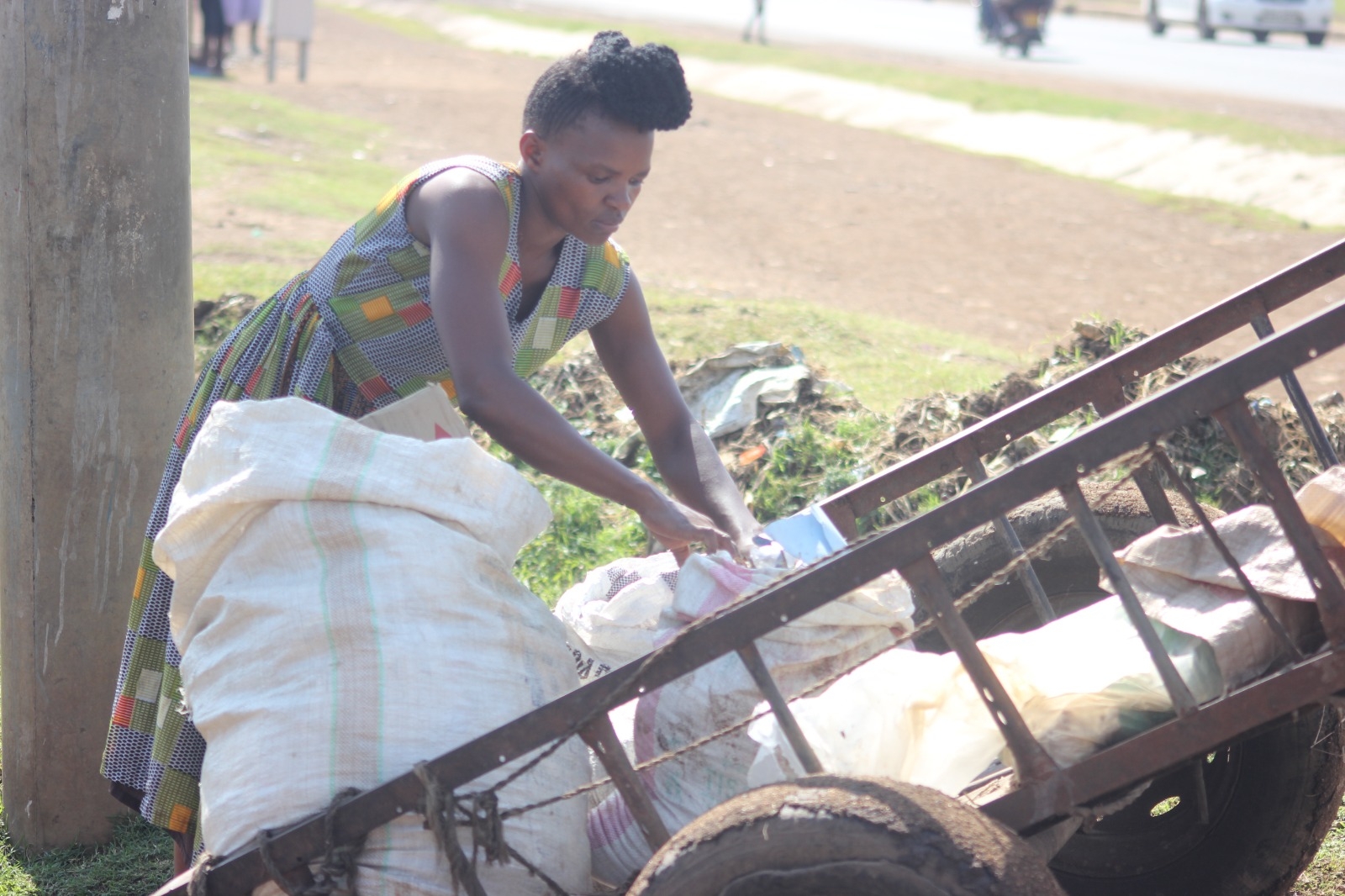
One of the organizers, Kevin Mtai, noted that non-biodegradable baby diapers often end up in rivers and later in freshwater lakes and harm aquatic life.
He called on the county government to wake up and address the matter.
Recently, a section of community-based organizations in Kisumu took to the streets in protest against poor diaper disposal.
This is after they picked over 3000 pieces from various disposal points within Nyalenda in sacks before dumping them on the roadside where the county does garbage collection.
The activists were from Nyalenda Social and Health Justice Centre, Kisumu Peace and Justice Centre, Chiga, Nyalenda and Katuoro Social Justice Centers.
Representing the Nyalenda Social and Health Centre, Erick Okioma noted that diaper disposal is one of the major challenges in the informal settlement.
Many times, the used material is washed down the streams to Lake Victoria, leading to continuous pollution.
He noted that the diapers contain various chemicals and plastic linings when burnt.
“It generates fumes that are not good for human health and even in places where they are being disposed of in landfills,” he said.
“If not correctly constructed, bacteria from faecal matter can leech into the groundwater and contaminate it.”
He added, “If you look at half of the city, all the water/waste goes to River Auji, so if we expose things such as diapers carelessly when there are rains, it will sweep all that will end in the waterways”.
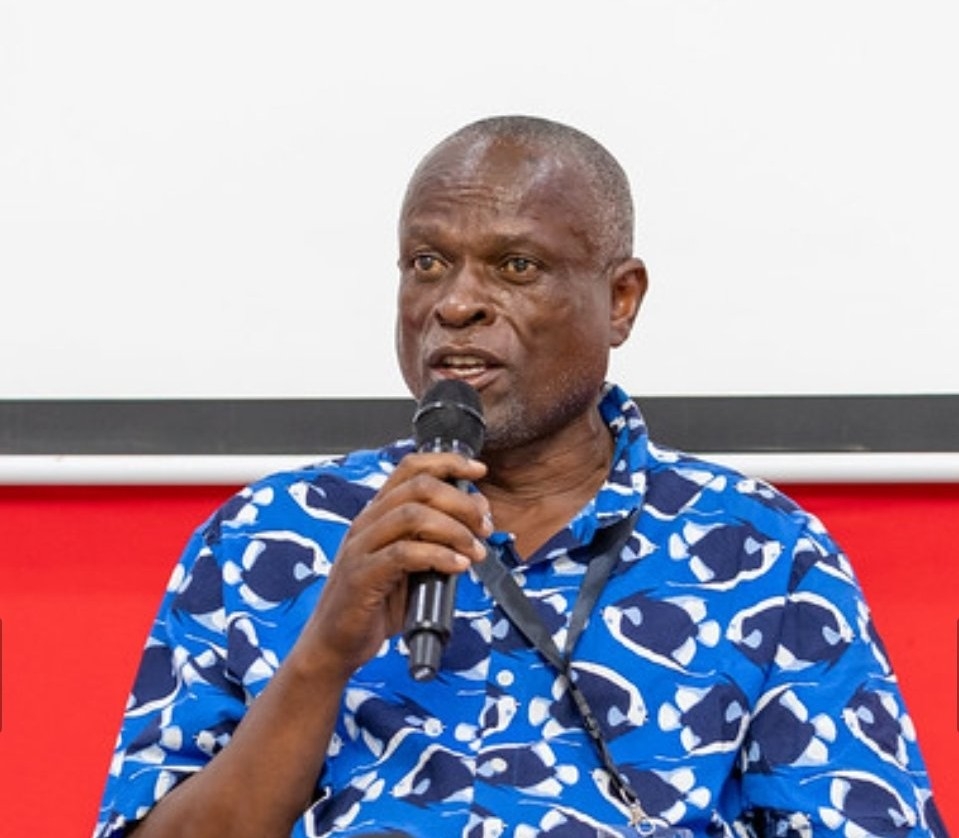
Okioma further noted that the fish breeding grounds have been interfered with while some fish are choked to death by the pollutants.
He further called on the county government to provide the residents with environmentally friendly diaper disposal methods to stop careless dumping of the waste material.
The environmental watchdogs further called on diaper manufacturers, and the National Environment Management Authority (NEMA) to involve the communities to curb the problem.
He says NEMA should engage the manufacturers on the appropriate diaper disposal methods before allowing them into the markets.
“It is time the County government and NEMA gave us a clear procedure on how the baby material should be handled after use,” Okioma said.
He proposed that nursing mothers should be given bags for keeping the diapers and dumping them at the dumpsites, to reduce the mess.
“There is a need for ecological literacy so that people can know that when they don’t throw garbage well, it affects people” Jessica Kahura, a senior environment officer in Kisumu, noted that diaper disposal is an issue becoming of great concern to the public.
“Going forward we need to come up with an action plan together with the manufacturers on how exactly we can be able to manage diapers that have already been used,” said Kahura
This action plan, she said, must be done by the county government, considering that waste management is a devolved function.
(NEMA) being a supervisor in matters of the environment can only be a partner with them in the diaper disposal system.
“This is to see how this action plan can be developed and how it can be implemented even if it is coming up with the Kisumu County diapers disposal act,” Kahura asserted.
The world has been grappling with diaper disposal, and therefore, the research is expected to come up with a solution,” said Bernard Okebe, Programmes Manager at Community Empowerment and Media Initiative in Kisumu (CEMI-K), Kenya.
Okebe noted that CEMI-K is supportive of partnering with such initiatives, which are in line with the organisation’s vision and mission for a healthy society and a clean environment.
.
To help the communities to grow together and also to maintain the hygiene
Please let a solid solution be found because it’s not only Kisumu where diaper disposal has become a menace it’s all over kenya
The solution may be to go back to re-usable diapers( eg Napkins )
Since this is a real threat to water sources in kenya and a global issue ,thks Kisumu County.Visionary environmentalists.Your input will help other counties and whole Kenya.N.e..m a.depts.pls support this elimation of this menace of kind of diapers.(non re-usable)