Negotiations Adjourn in Geneva After Intensive Talks with Nations Pledging to Resume Despite Stalemate
GENEVA, Switzerland, 15 August 2025 – After 10 days of high-stakes negotiations, the latest round of talks aimed at finalising a landmark global treaty to combat plastic pollution ended without a consensus, as countries remained divided on pertinent issues.
The Intergovernmental Negotiating Committee (INC) suspended discussions early on 15 August, though member states affirmed their commitment to reconvene at a later date.
The fifth session (INC-5.2) had more than 2,600 participants at the Palais des Nations in Geneva, including delegates from 183 countries, and nearly 1,000 observers representing over 400 organisations.
Despite the presence of 70 ministers and deputies along with 30 other high-level officials—the talks failed to produce an agreed-upon text for the legally binding instrument.
“This has been a hard-fought 10 days against the backdrop of geopolitical complexities, economic challenges, and multilateral strains,” said Inger Andersen, Executive Director of the UN Environment Programme (UNEP).
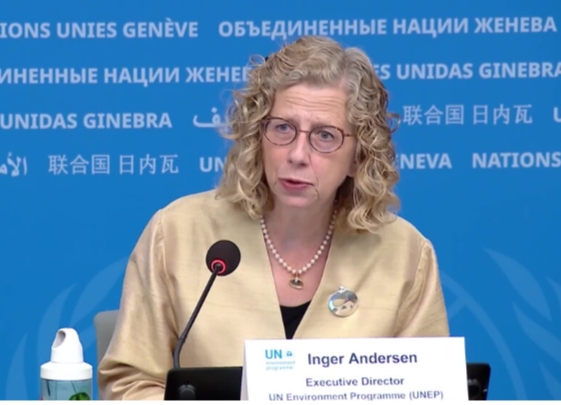
“However, one thing remains clear: despite these complexities, all countries clearly want to remain at the table.” Andersen acknowledged the setback but emphasised UNEP’s continued dedication to tackling plastic pollution, which infiltrates groundwater, soil, rivers, oceans, and even human bodies.
INC-5.2 Goals
The primary goals of INC-5.2 were to finalise the treaty’s text and identify unresolved issues requiring further work before a diplomatic conference.
Negotiations were curated into four contact groups, keen on addressing vital topics such as Plastic design and recyclability, Hazardous chemicals in plastics, Production caps and waste reduction.
Despite intensive negotiations, including a Chair’s Text from INC-5.1 in Busan and subsequent revised proposals, the delegations could not bridge fundamental disagreements.
INC Chair Ambassador Luis Vayas Valdivieso struck an optimistic tone, stating, “Failing to reach the goal we set for ourselves may bring sadness, even frustration. Yet it should not lead to discouragement. On the contrary, it should spur us to regain our energy, renew our commitments, and unite our aspirations.”
Jyoti Mathur-Filipp, Executive Secretary of the INC Secretariat, affirmed this sentiment, declaring, “Progress must now be our obligation.”
CSO’s Action
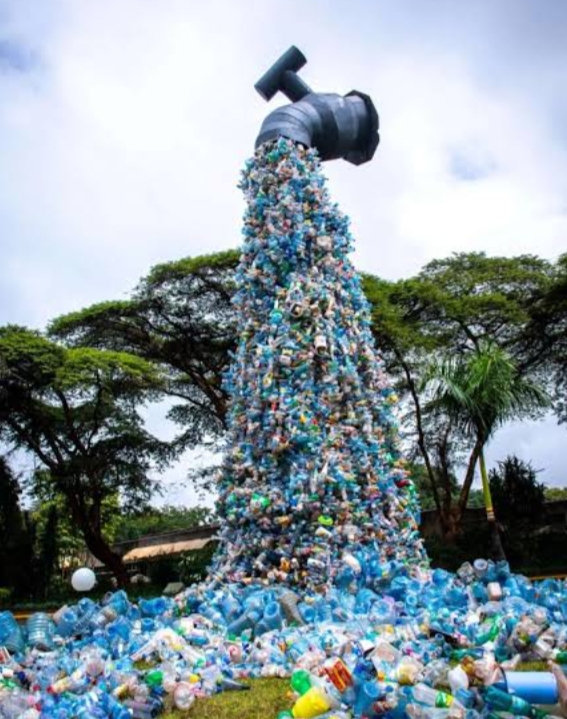
The session saw vigorous participation from activists, Indigenous groups, waste pickers, youth, and scientists, who staged protests, art installations, and press briefings to amplify calls for stronger measures.
Their presence underscored the growing public demand for decisive global action.
INC’s History
The INC process began in March 2022 following a historic resolution at the UN Environment Assembly (UNEA-5.2).
Since then, negotiations have spanned five sessions across multiple continents, with INC-5.2 marking the latest, but, not final chapter. As nations regroup for the next phase, the urgency of the plastic crisis looms larger than ever.
The world now waits to see whether diplomatic efforts can eventually deliver a treaty strong enough to turn the tide against pollution.
INC-5.1 was held in Busan, Republic of Korea (November/December 2024) with previous sessions seeing INC-1 held in Punta del Este (2022), INC-2 (Paris, 2023), INC-3 (Nairobi, 2023), and INC-4 (Ottawa, 2024).
UNEA resolution 5/14 had directed UNEP to establish the INC to finalise a treaty by the end of 2024—a deadline now extended.
The INC will announce a new round of talks as countries work to resolve outstanding disagreements and finalise the treaty text.