Cabinet Secretary for Energy and Petroleum (CS) Opiyo Wandayi has announced that the government has partnered with the World Bank to provide easy access to modern energy in the country’s remote, low-density, and traditionally underserved areas.
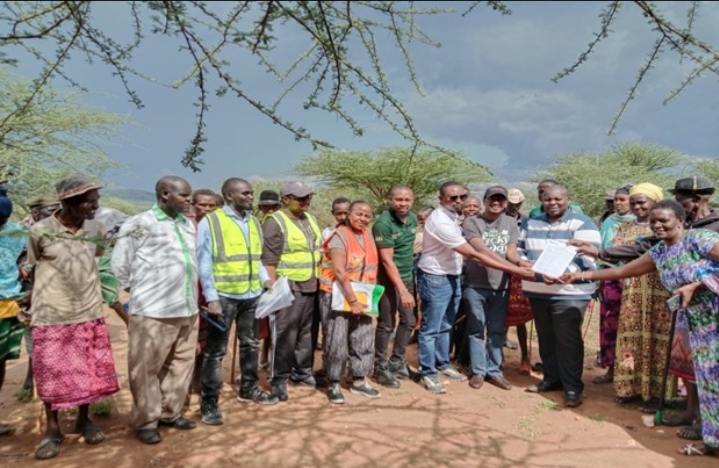
Dubbed the Kenya Off-Grid Solar Access Project (KOSAP), it primarily targets 300,000 households (1.5 million people) in 14 counties of Northern Kenya, Arid and Semi-Arid (ASAL) regions.
The KOSAP project is funded at a tune of $150 million (Sh15 billion) by the World Bank and will be jointly implemented by the Ministry of Energy, Kenya Power and Lighting (KPLC), and Rural Electrification and Renewable Energy Corporation (REREC).
It will involve the construction of 114 mini grids to supply, 343 standalone public facilities, installation of solar water pumps in 380 boreholes, and the facilitation of the sale of 250,000 stand-alone solar systems.
The 14 counties set to benefit from the program are Samburu, Turkana, West Pokot, Marsabit, Isiolo, Wajir and Taita Taveta.
Others include Mandera, Garissa, Tana River, Narok, Kwale, Kilifi, and Lamu.
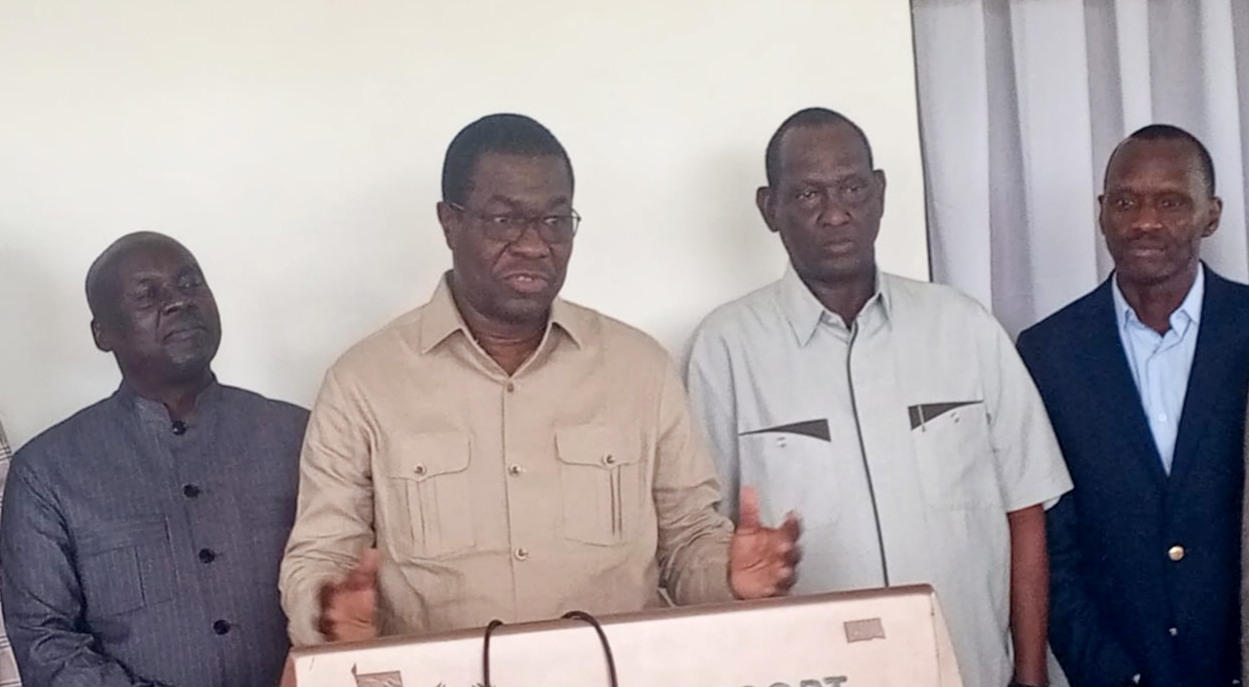
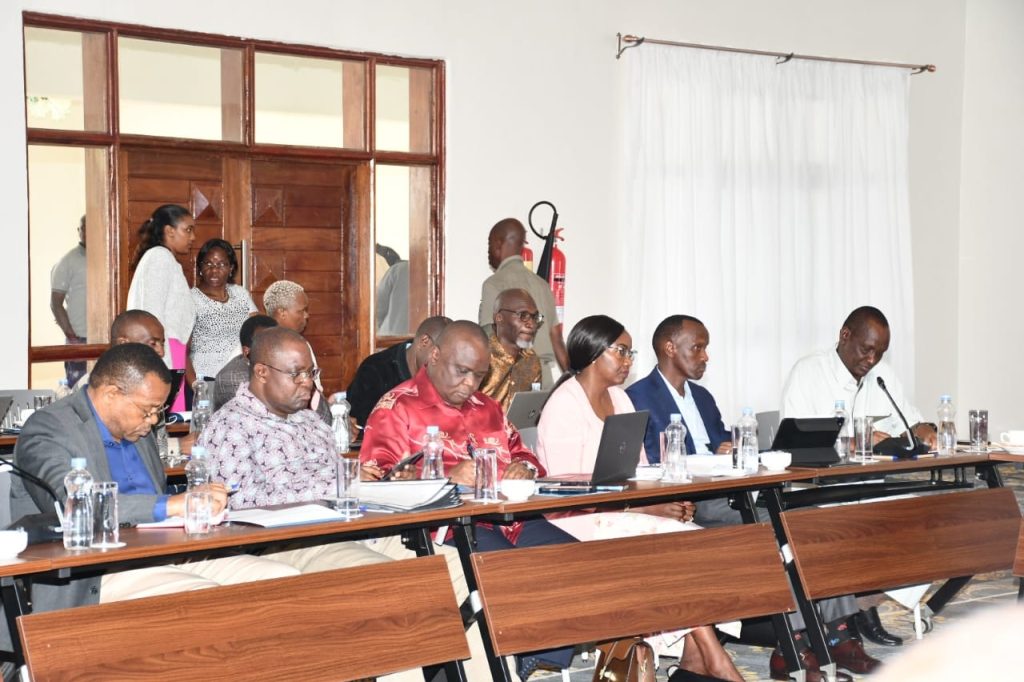
Speaking during the Senate Committee on Energy Retreat in Kisumu yesterday, CS Wandayi further said that the government is committed to providing universal access to electricity in Kenya by 2030.
“The off-grid implementation will ensure that marginalised areas are on the same level as the other areas in the country. It will also support the expansion of the national grid,” he said.
CS Wandayi added that this will spur growth and the realisation of Vision 2030.
In addition to the KOSAP Project, CS Wandayi said that they have also rolled out the Kenya Green and Resilient Expansion of Energy (GREEN) Project expected to end on 30th June, 2033.
This is a Multiphase Programmatic Approach (MPA) funded by the World Bank Group in three phases.
“Its main goal is to increase access to electricity in Kenya in a financially and environmentally sustainable manner. The total MPA funding is $1,050 million, with $930 million funding from the International Development Association (IDA) and $ 120 million from other financing sources.”
The active first two phases are Green Phases I and II. For $400 million, KPLC will undertake Phase I of the program aimed at restoring the agency and the energy sector’s financial sustainability.
It is a results-based financing program, Program for Results (P4R), where key deliverables, such as Disbursement Linked Indicators (DLI), are to be achieved before disbursement is made.
The second Green Phase will enhance the capacity of the Kenya Power System for energy trade and renewable energy integration, with the implementing agencies being the Ministry of Energy and Petroleum (MoEP), Kenya Electricity Generating Company PLC (KenGen), and Kenya Electricity Transmission Company Limited (KETRACO).
To measure the achievement of the PDO, the following are the outcome indicators looked at: increased capacity of the Kenya system to transfer power through the Kenya-Ethiopia interconnector, and reduced curtailment of renewable energy.
Green Phase II has four components with a total funding of $202 million, with IDA funding of $153.5 million, and Green Climate Financing (GCF) of $48.5 million.
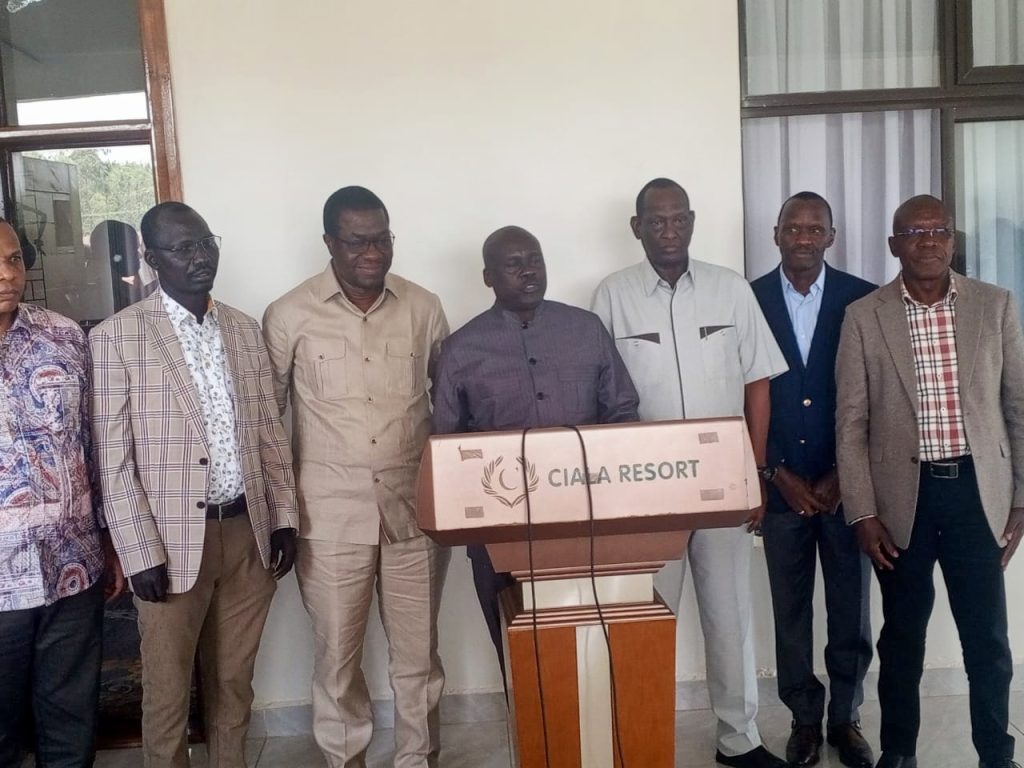
“We will also discuss with the Ministry issues about Way leaves, improving Energy Infrastructure and legal land Access rights,” he said.
According to CS Wandayi, a total of 1,362,941 customers have been connected to the grid since the inception and continued implementation of the Last Mile Connectivity Project (LMCP) in 2015.
In December 2024, the National Treasury signed a partial funding agreement with the African Development Bank (AfDB), for LMCP Phase II.
” This is geared toward increasing access to electricity for households in rural and peri-urban areas.”
CS Wandayi highlighted the lack of sufficient budget to efficiently and effectively deliver on its mandates as one of the stark challenges facing the Ministry.
“This challenge has affected the timely completion of Transmission projects for compensation of Project Affected Persons.”