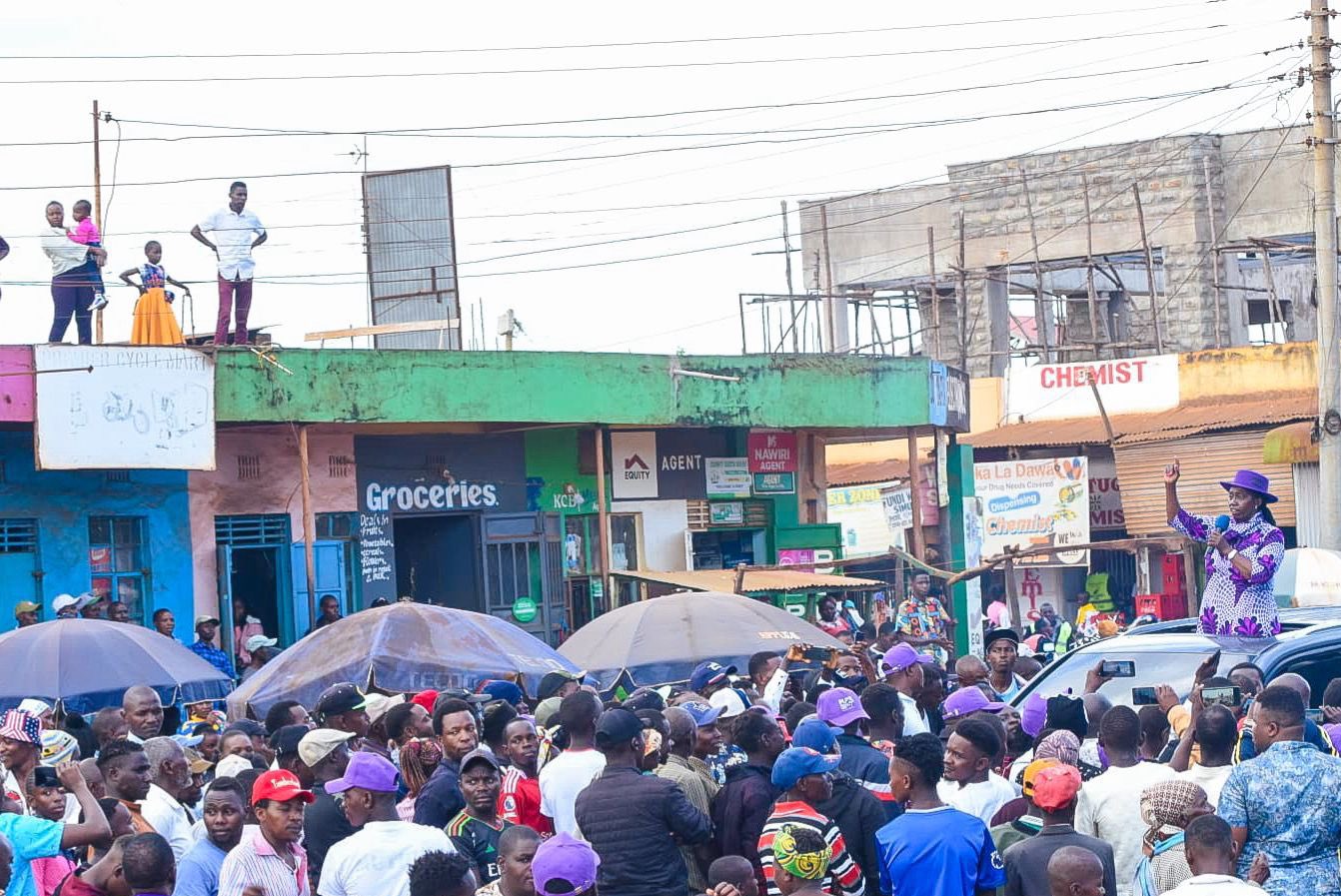
NAIROBI, May 2026 -The People’s Liberation Party (PLP) presidential aspirant Martha Karua has castigated the Kenya Kwanza administration by placing international interests ahead of the health and welfare of Kenyan following revelations of ongoing discussions between the US and government regarding plans to quarantine Americans exposed to the dreaded Ebola disease in Kenya.
The PLP’s party leader remarks come as the US Department of State publicly acknowledged the legal challenge currently before Kenyan courts, stating that it is aware of the case filed against the proposed Ebola isolation facility and remains in contact with Kenyan authorities, expressing optimism that the objections can be “resolved.”
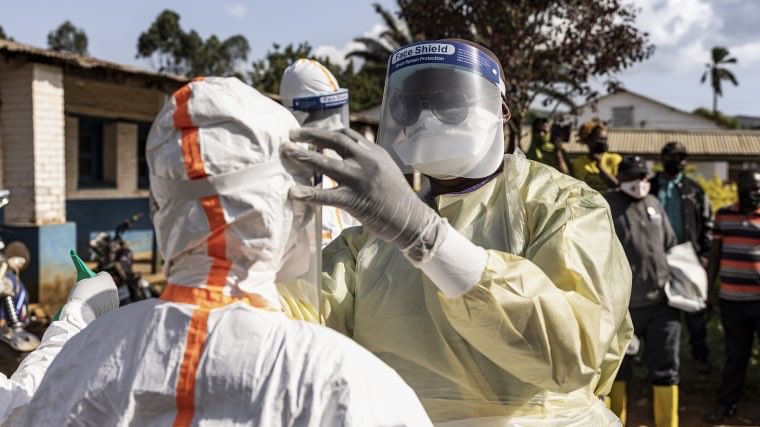
This comes amid a worsening Ebola outbreak in Eastern Democratic Republic of Congo (DRC), where authorities say at least 220 people have died and more than 900 infections have been recorded. Ugandan authorities has also confirmed seven cases and one death linked to the outbreak.
“Their policy is to protect Americans first; how dare they entertain the idea that they can bring Ebola affected people to Kenya, to protect America, but endanger wenye nchi (the Kenyan people)?” Karua wondered.
Despite America’s intent to quarantine their affected citizens here (in Laikipia), she cautioned Health Cabinet Secretary (CS) Aden Duale to ensure that: “Wenye nchi protection is first prioritised, especially now when our health system has been ‘recklessly mismanaged.'”
Karua said the issue is not merely about the proposed Ebola facility, but about a government that has systematically weakened Kenya’s healthcare system while asking citizens to pay more for a barely functioning system, thanks to the government’s much contested shift from National Housing Insurance Fund (NHIF) to Social Health Authority (SHA).
The US Donald Trump-led administration had been exploring plans for American patients evacuated from Congo to be quarantined in Kenya before onward travel to the United States, a position confirmed by reports in American media, and later by Prime Cabinet Secretary (PCS) Musalia Mudavadi and CS Duale.
Karua further questioned the government’s claim of preparedness for a highly contagious regional health threat while hospitals across the country continue to struggle with shortages of medication, unresolved staffing crises, repeated strikes by healthcare workers, and persistent failures under the SHA.
She noted that Kenyans are today contributing more toward healthcare through the SHA system, yet continue to experience delayed services, unpaid hospital claims, medicine shortages, and growing uncertainty about access to treatment.
More troubling, she explained, is the recent “admissions by Duale himself” that the healthcare system has been infiltrated by cartels and procurement fraud, raising serious questions about how public health resources are being managed.
“How can Kenyans be asked to trust this government with Ebola preparedness when it cannot account for resources already collected from them wenye? Kenyans are paying more for healthcare than ever before, yet receiving less?” she posed.
Karua further backed concerns raised by the Kenya Medical Practitioners, Pharmacists and Dentists Union (KMPDU), which warned that any arrangement made without public accountability and adequate safeguards would place Kenya’s public health security at risk.
She also stated that any plans that would allow Kenyans to be exposed to the deadly disease, when hospitals lack basic supplies was completely unacceptable.
“If the very same doctors that ensure your struggling medical system is functioning are concerned to the point of threatening a nationwide health strike, how can you then say that the ministry has the capacity to deal with Ebola?”
Karua said the government’s handling of the issue reflected a broader pattern of secrecy, exclusion of healthcare professionals, and disregard for public accountability. The Ebola controversy,she highlights has a much deeper crisis: the systematic weakening of Kenya’s healthcare system under Kenya Kwanza administration.
Wading into the 2026 Finance Bill, she further criticized provisions that would shift pharmaceutical inputs from zero-rated to VAT-exempt status, warning that the move would increase production costs for local manufacturers and ultimately make medicines more expensive for ordinary Kenyans.
“A nation that is not healthy cannot be prosperous,” Karua said. “Leadership is about protecting your people first. Instead, Kenya Kwanza has given Kenyans a healthcare system that costs more, delivers less, and is now being linked to the very graft its own Cabinet Secretary admits exists.”
Karua urged Kenyans to recognize the pattern of failure in the healthcare sector and hold the government accountable. She reiterated that healthcare would be a top priority under her administration, beginning with the replacement of the failed SHA with a reformed and strengthened NHIF model built in partnership with doctors, healthcare workers, and patients.
Her government, she said, would focus on restoring confidence in public healthcare, expanding access to quality services, eliminating corruption in health procurement, and reducing the cost of medicines for ordinary Kenyans.
“The test of any government is how it treats its own people. Kenyans pay taxes, contribute to healthcare, and deserve a system that works for them. Wenye nchi must come first.”