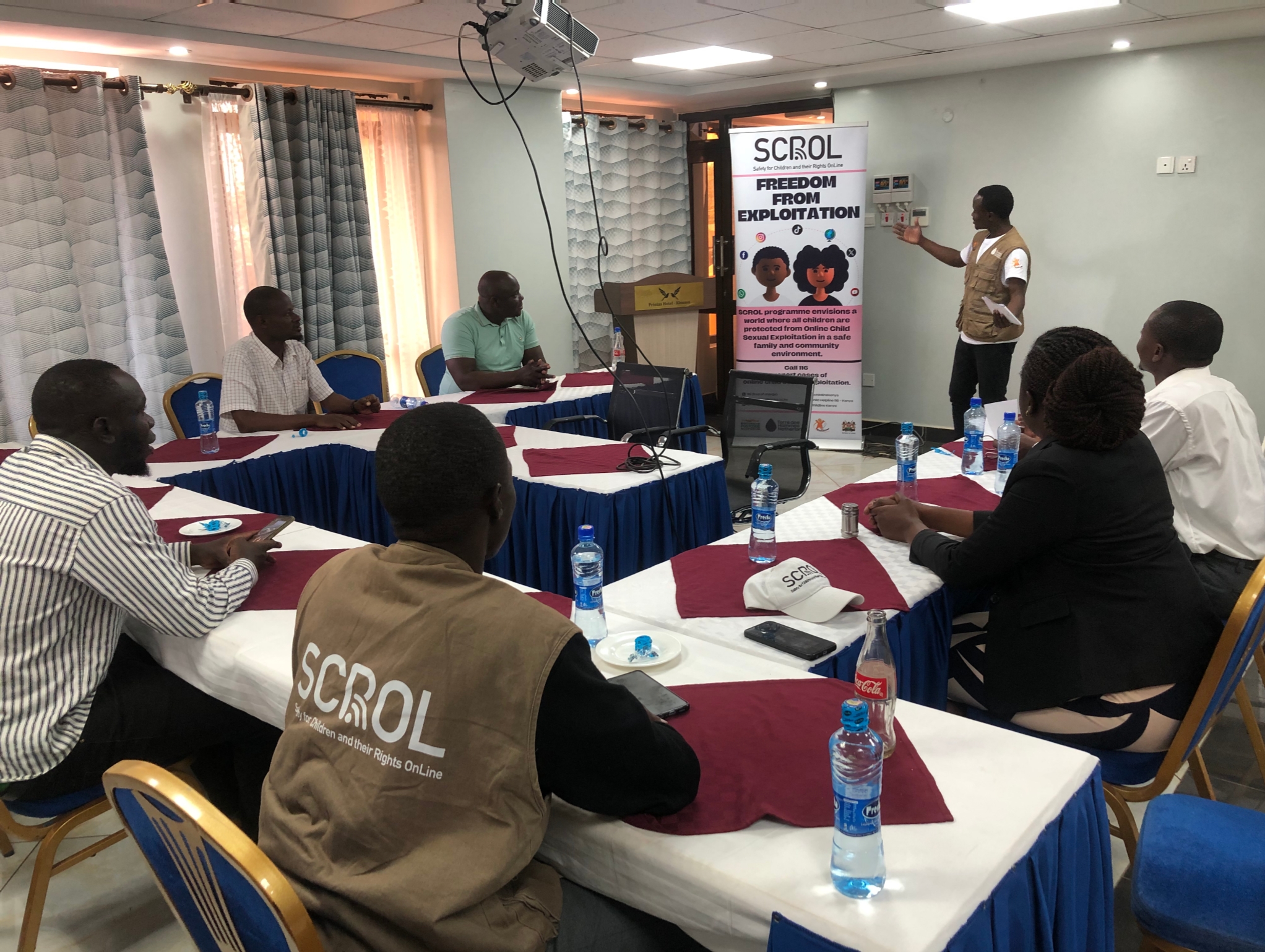
The program backed by Terre des Hommes, reports over 300 OCSE cases, highlighting both increased awareness and persistent challenges in achieving justice.
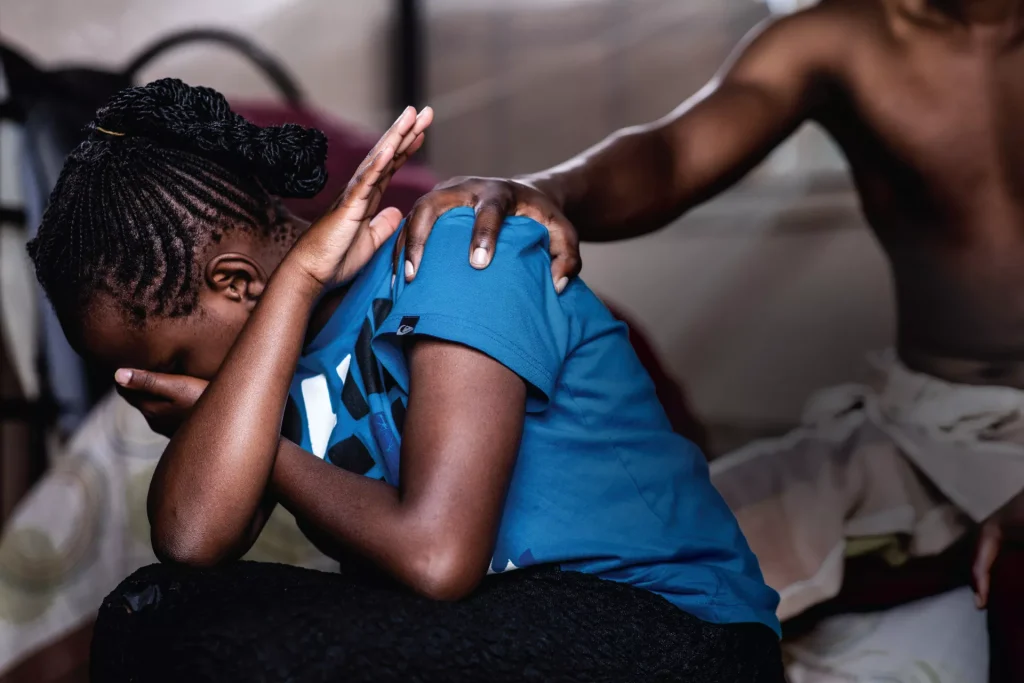
KISUMU, Kenya, August 29th– A concerted three-year sensitization program in Kisumu Central Sub-County and its environs has led to the reporting of over 300 cases of Online Child Sexual Exploitation (OCSE).
This, shows a significant breakthrough in breaking the silence around the digital abuse of minors.
The program, christened Safety for Children and their Rights of Life (SCROL) and supported by Terre des Hommes Netherlands (TdH), has seen an upward trajectory of reported cases from just five in its first month to 24 in its first quarter.
According to latest data from Childline Kenya, a key implementing partner, 55 cases were identified and documented since October 2024.
The first quarter (October-December 2024) saw 10 cases affecting seven females and three males.
According to Childline Kenya’s Community Resource Persons (CRPs) officer, Madson Onyango, detailed that these included instances of live streaming, Child Sexual Abuse Material (CSAM), and Online Grooming.
“The second quarter, January-March, saw 25 incidents comprising 12 females and 13 males. We registered 12 Online Grooming, one Texting, seven CSAM, four ‘At Risk,’ and one Sextortion case,” Onyango explained during a recent Project Advisory Committee meeting in Kisumu.
The third quarter (April-June) recorded 20 cases involving six females and 14 males, primarily comprising Online Grooming, Sexting, and Sextortion.
Psychosocial Support
In response, the program provided crucial Psycho-Social Services (PSS) to 10 child victims in the first quarter and 25 in the second.
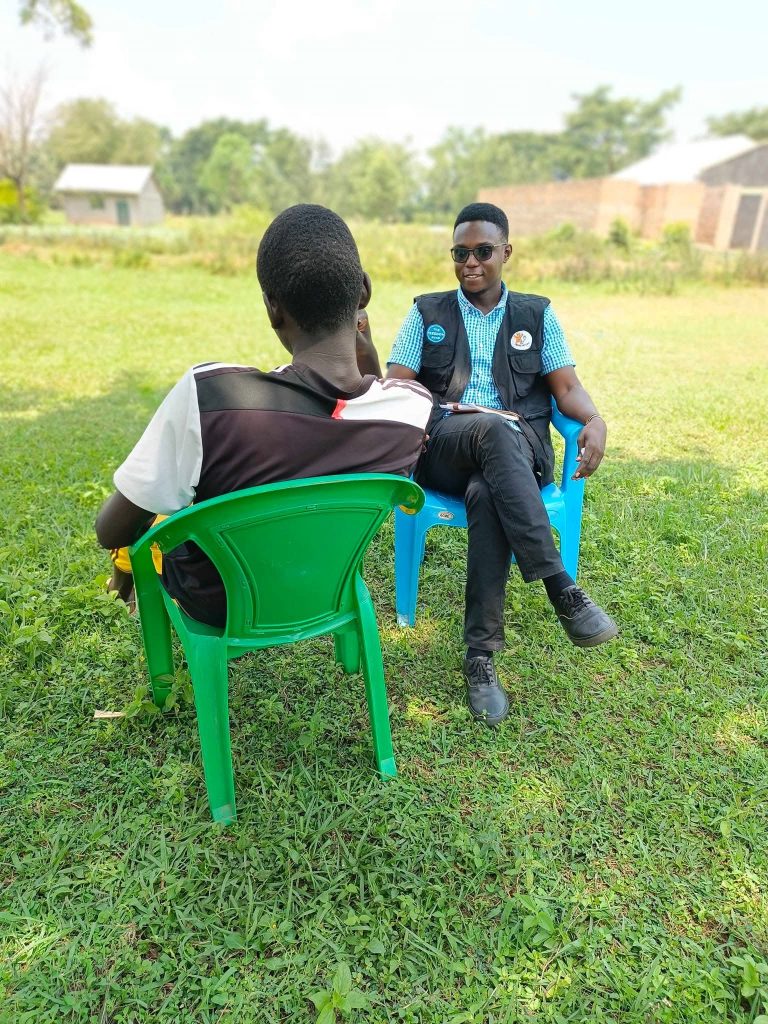
In the third quarter, 20 received counselling from CRPs, with others referred to specialised institutions and three children were directed to the national helpline, 116.
The initiative’s strategy extended deeply into the community by establishing Child Rights Clubs (CRCs) in schools to champion peer-to-peer education on online safety.
This child-led exercise trained 330 pupils (176 male, 154 female) from ten schools on addressing OCSE, supported by CRPs and teachers.
Furthermore, 18 peer educators and 9 teachers from 9 schools were trained on child-led advocacy.
“This was geared towards building the capacity of the project team to enable them to train and support children in developing their own advocacy initiatives,” Onyango stated.
Awareness Campaigns
The SCROL program also marked key calendar events like Safer Internet Day and the 16 Days of Activism, held at Lake Primary School.
Awareness was further driven through numerous dialogue forums in the community, including chiefs’ barazas, chama groups, and Participatory Education Theatre (PET) performances.
One such dialogue in Obunga informal settlement drew 177 participants (81 female, 96 male).
Similarly, capacity building was a cornerstone of the program, which saw about 45 Community Child Protection Volunteers (CPVs) and Community Health Volunteers (CHVs) receive a two-day Training of Trainers (TOT) session.
This was on how to use Discussion Cards to sensitise communities and monitor children’s online activities.
Another training for 11 CPVs and CHPs was held at CARE-Migosi.TOTs subsequently conducted 61 follow-up sessions for 380 caregivers.
To maximise reach in informal settlements like Manyatta, Nyalenda, and Obunga, Childline Kenya partnered with local organisations, including Shining Hopes for Communities (SHOFCO), VOSH, and several community-based groups.
Systemic Challenges
Despite the progress, significant hurdles remain with Madson citing the reluctance of parents and guardians to pursue cases to a “logical conclusion” as a major barrier.
“Most OCSE happens within close-knit family setups. Parents are very protective and there’s that fear of a minor being convicted,” he said, adding that some fear exposing their home living conditions by seeking psychosocial support.
He revealed one extreme case where a parent was convicted and jailed for conducting child pornography with a minor.
In another, a Form Two girl was identified as being “At-Risk” for seducing a male cyber attendant.
Recommendations for the future include continued sensitization and quarterly reflection meetings with the National Government Administration Officers (NGAO) to follow up on OCSE prevention initiatives.
The program has already begun building the capacity of 25 police officers and 31 members of the County Advisory Committee (CUC), including probation officers, magistrates, and prosecutors, on OCSE and child-centred justice.
Stakeholders Applaud

Mr Brian Otieno, representing the Kisumu County Commissioner, expressed the government’s gratitude for the program’s deep grassroots impact.
“As a government, we aim to protect and serve wananchi (citizens) at all levels,” Otieno said.
Sheila Wafula, a Probation Officer at the Huduma Centre, affirmed that the SCROL program has left a “big and positive impact on the community.”
Silas Omollo, from SHOFCO’s Gender Department, lauded the partnership with Childline Kenya.
“The fight against OCSE has been very effective. We need to continue protecting our children, and with the availability of more financial support, we will reach out to many deserving cases,” he appealed.