Actors involved in climate change advocacy and mitigation have begun educating communities in Western Kenya on how to manage flooding and its effects.
Several community-based organizations and local media outlets are leading this initiative.
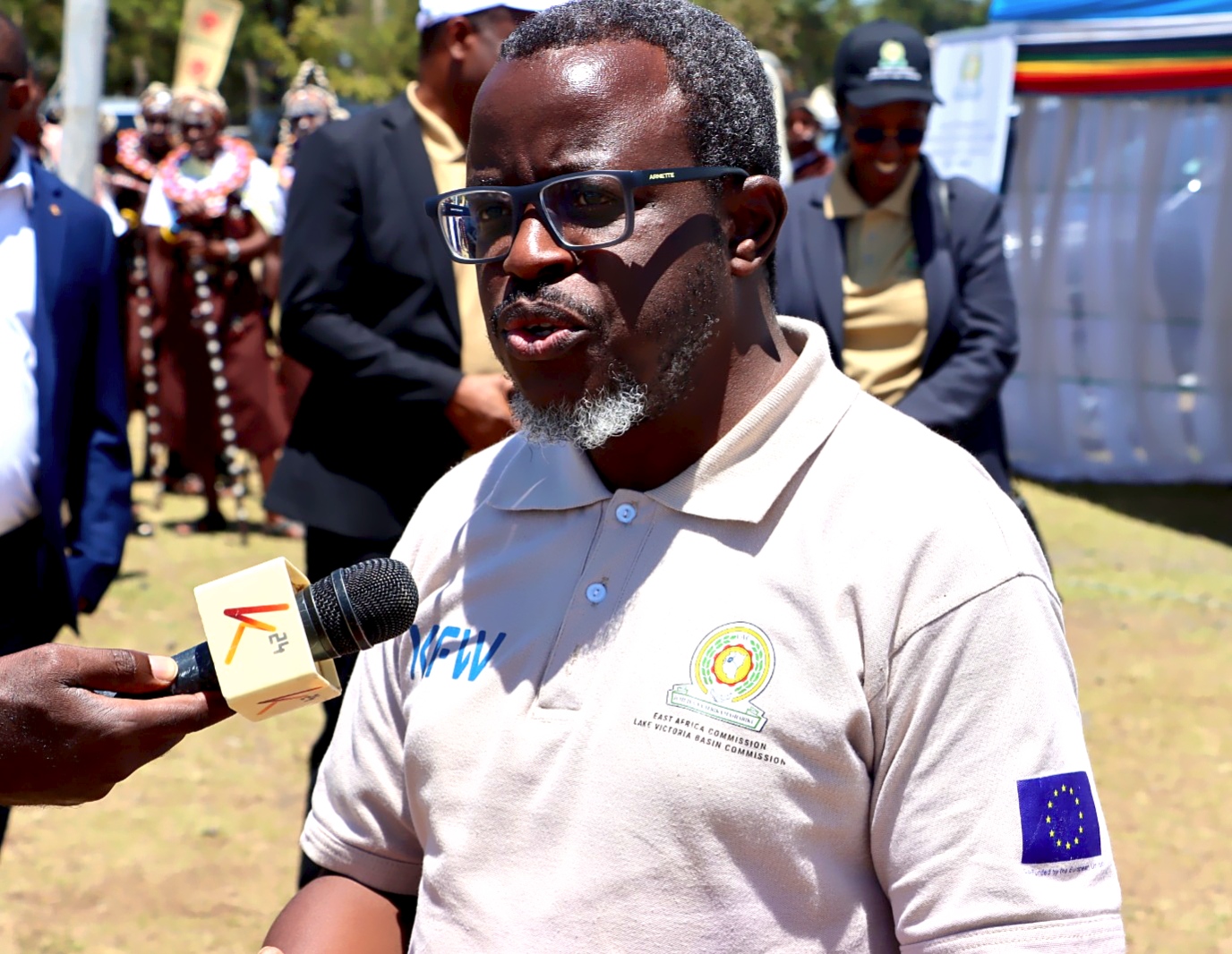
Mr. Bernard Okebe, the program coordinator of the Community Empowerment and Media Initiative (CEMI-K) in Kisumu, is implementing a unique project aimed at raising public awareness.
It’s about how local communities in the Western Kenya region can better prepare for floods.
Notably, the Lake Victoria region has been struggling with severe flooding that causes significant economic and social damage to communities.
This includes the destruction of crops, the spread of waterborne diseases, and the loss of livestock and human lives.
Okebe pointed out that the project recognizes the importance of effectively communicating flood risks as a key strategy to address these issues.
It is essential that community members clearly understand the messages being conveyed.
The project, supported by Sense about Science under the Risk Know-how initiative, has conducted community forums in Kisumu Central, Nyatike, Kisumu East, Nyando, and Kisumu West sub-counties.
This allows for message testing before the information is disseminated to the wider public through radio talk shows.
These efforts come at a time when global weather forecasts predict heavy rains in East and Central Africa, with Kenya and Nigeria being major focal points.
A report by Al Jazeera also forecasted heavy rains in Kenya and Nigeria this month.
This similar weather event was observed last year in Malawi and Mozambique, where six months’ worth of rain fell in just two weeks.
The Kenya Meteorological Department has also issued similar warnings.
However, climate change effects have led to unpredictable rainfall patterns across many parts of Kenya, particularly in the Western region.
For instance, the Intergovernmental Authority on Development (IGAD) predicted below-normal rains in many parts of Africa between March and May, only for many regions to experience heavy rainfall.
As a result, several watchdog groups and local leaders are working diligently to educate the public on floods and how to mitigate their effects.
In Kisumu Central constituency, with the long rains approaching, efforts are underway to clear river mouths and construct dykes to reduce flooding impacts.
This initiative, led by area MP Dr. Joshua Oron, has included backfilling River Nyamasaria, which has long been a source of flooding that displaces thousands of residents in the Nyalenda slums each year.
Moses Achola, a resident of Kapuothe in Nyalenda, believes that raising the riverbanks is a promising way to deal with flooding in lower areas.

He recalls being forced from his home in the past due to severe flooding that destroyed his property.
“Building dykes gives us hope that we won’t have to leave our homes when it rains this year,” he said, noting that previous measures often came too late.
Oron has enlisted a team of young workers to clear debris from the river using bulldozers, facilitating water flow into Lake Victoria during rains.
“We are constructing a strong dyke along River Nyamasaria, as this location has historically caused downstream flooding,” said John Mandela, who is overseeing the project.
Sarah Adhiambo shared her experience of having her house destroyed by floodwaters, expressing optimism that the recent preventive measures will lessen flooding this year.
“I’m grateful to those behind this initiative; in the long run, it will protect us from the hardship we face whenever it rains,” she said.
Recently, the MP assured residents of Kapuothe that he would resolve the flooding issue once and for all.
The city management had previously threatened to relocate residents from the affected area, a move that was opposed.
Francis Ogonda, an elderly local, stated that they refuse to leave their ancestral land, where they were born.
He expressed hope that efforts to manage the rising river levels will protect their crops.
“We are going back to farm our land, trusting that our crops will not be swept into the lake,” he said.
Research scientist Dr John Recha emphasized that climate change information should be utilized as an early warning tool to enable proactive disaster prevention rather than waiting for crises to occur.