KAMPALA, Uganda – Uganda is gearing up for a crucial election on Thursday, January 15th, 2026, with the big question lingering on everyone’s lips: will the people opt for continuity or usher in a new era of change?
The East African country is at crossroads with a rich history of post-independence leaders, including Sir Edward Muteesa II (1963-1966), Apollo Milton Obote (1966-1971), Idi Amin Dada (1971-1979), Yusuf Kironde Lule (April, 1979-June, 1979), Godfrey Lukongwa Binaisa (1979-1980), Milton Obote II (1980-1985), Tito Okello Lutwa (1985-1986), and the incumbent Yoweri Kaguta Museveni (1986-Present).
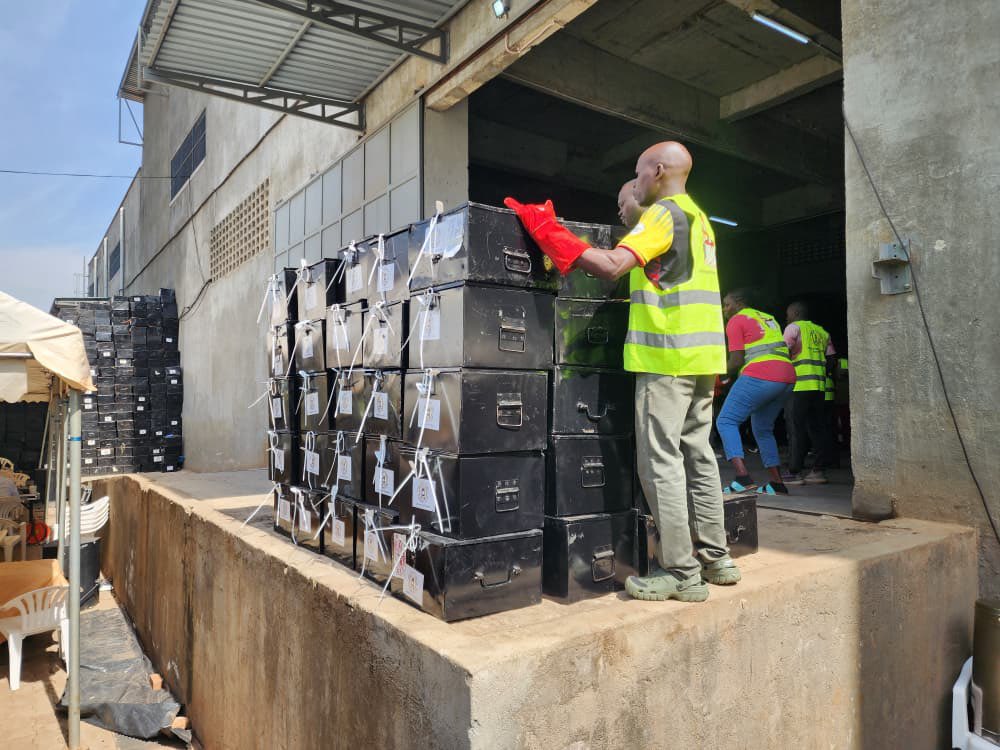
The country’s electoral commission, led by Justice Simon Mugenyi Byabakama, is assuring citizens of a “free, fair, and credible election exercise” with a $380 million budget to ensure smooth operations across the country’s 146 districts, 312 counties, and 353 constituencies.
However, the atmosphere is tense, with the Uganda Communication Commission (UCC) shutting down the internet and suspending sim card sales and registration, citing measures to “curb misinformation, electoral fraud, and fanning of violence.”
“We hereby direct all mobile network operators and service providers to suspend public internet access, new sim card sales and registration and outbound data roaming to neighbouring countries in the One Network Area,” a statement by the telcos’ regulatory body partly reads.
Some of the organisations, including the Alliance for Finance Monitoring, Chapter Four, Agora Centre for Research, African Centre for Media Excellence (ACME), Human Rights Network for Journalists-Uganda, have been at the forefront of championing matters about governance, media freedom and human rights.
The move has raised eyebrows, especially with the National NGO Bureau also suspending 10 human rights groups, media, and organisations, freezing their bank accounts, alleging they were “engaging in activities prejudicial to the security and Ugandan laws.”
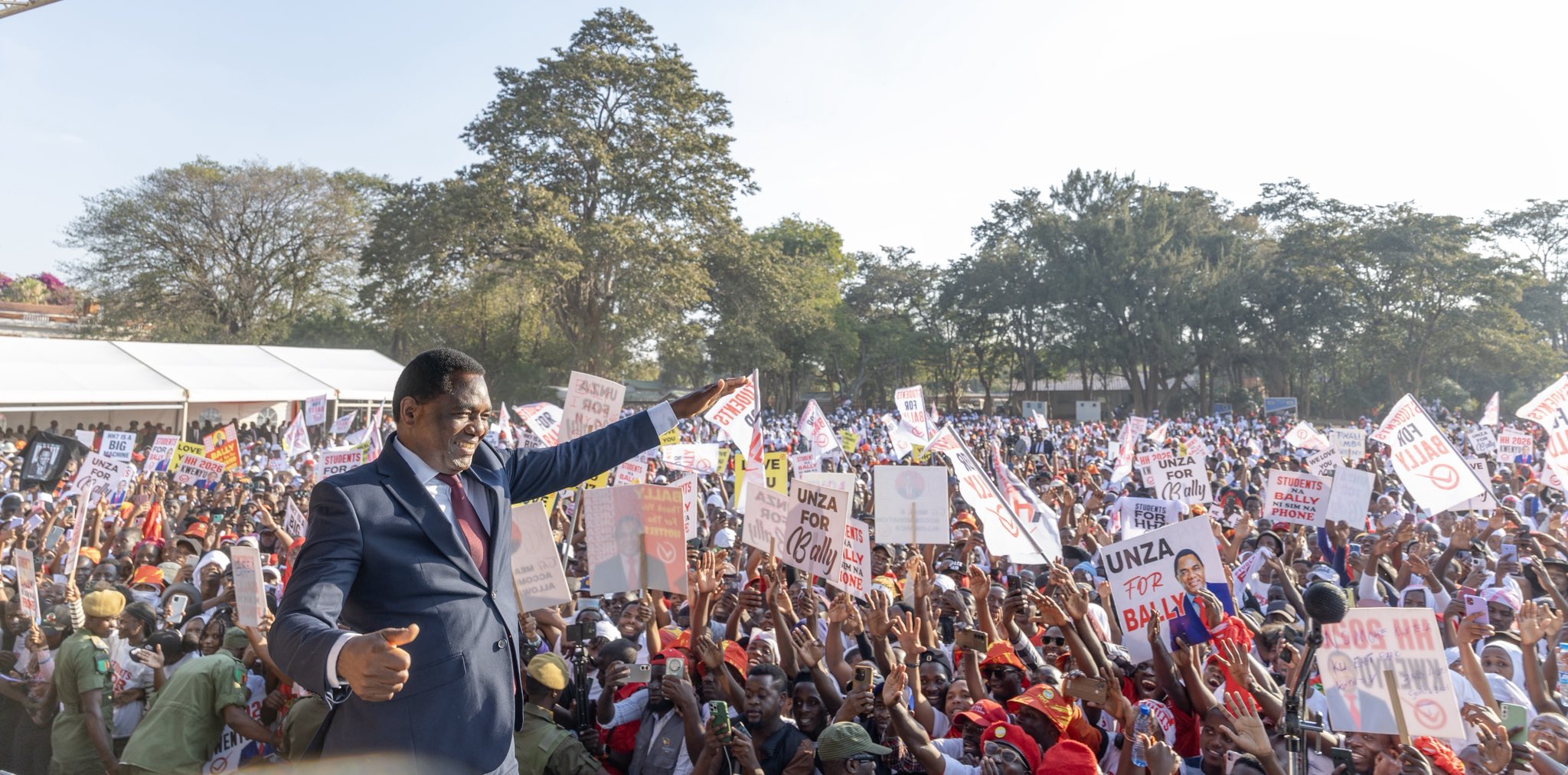
The stage is now set for a thrilling contest, with eight candidates vying for the top spot. Incumbent President Museveni, 81, of the ruling National Resistance Movement (NRM), is facing stiff competition from musician-actor-lawyer turned politician Kyagulanyi Robert Ssentamu alias Bobi Wine of the National Unity Platform (NUP).
Other contenders include Mugisha Muntu (Alliance for National Transformation), Munyagwa Mubarak Sserunga (Common Man’s Party), Elton Joseph Mabirizi (Conservative Party), Kasibante Robert (National Peasants Party), Frank Bulira Kabinga (Revolutionary People’s Party), and Nandala Mafabi (Forum for Democratic Change).
Museveni’s manifesto, “Protecting the Gains and Securing a Qualitative Leap into High Middle-Income Status,” promises ambitious commitments for the next five years, while Bobi Wine is drumming up support for reforms to “bring stability to institutions destroyed by Museveni’s long rule.”
According to Bobi’s remarks, he posted on his official X account during the manifesto launch, “This is a manifesto born out of extensive consultation with our people. These are not mere promises- this is a covenant we are making with the people of Uganda to give our nation a fresh start.”
The outcome is far from certain, with opinion polls indicating a two-horse race between Museveni and Bobi Wine, and 21.6 million eligible voters, up from 18.6 million in the 2021 general elections.
A high-powered delegation from the African Union, COMESA, and IGAD, led by former Nigerian President Goodluck Jonathan, recently inspected the electoral preparations, emphasising the need for a credible, transparent, and peaceful process.
As Uganda’s voters head to the polls, the world will be watching to see if the Pearl of Africa will live up to its billing.
romondi99@theeyeswatchmedia.co.ke