
Alcohol and Drug Abuse (ADA) remains a significant challenge in society, posing serious risks to young people who are often introduced to these substances at an early age.
The ease of accessibility, availability, and affordability of drugs has only exacerbated the problem, contributing to rising mortality rates and an increasing disease burden.
According to the World Health Organization (WHO), substance abuse refers to the harmful or hazardous use of psychoactive substances, including alcohol and illicit drugs. Globally, more people die from alcohol-related causes than from AIDS, tuberculosis, or violence.
Tobacco (Nicotiana tabacum or Aztec) alone is responsible for four million deaths annually, while alcohol contributes to 1.8 million deaths (3.2 percent of total deaths), with one-third of those resulting from unintentional injuries.
Additionally, alcohol is linked to a loss of 58.3 million Disability-Adjusted Life Years (DALY), with 40 percent due to neuropsychiatric conditions.
In Kenya, commonly abused substances among the youth include tobacco, alcohol, miraa or mogoka (khat), cannabis, prescription drugs, cocaine, and heroin.
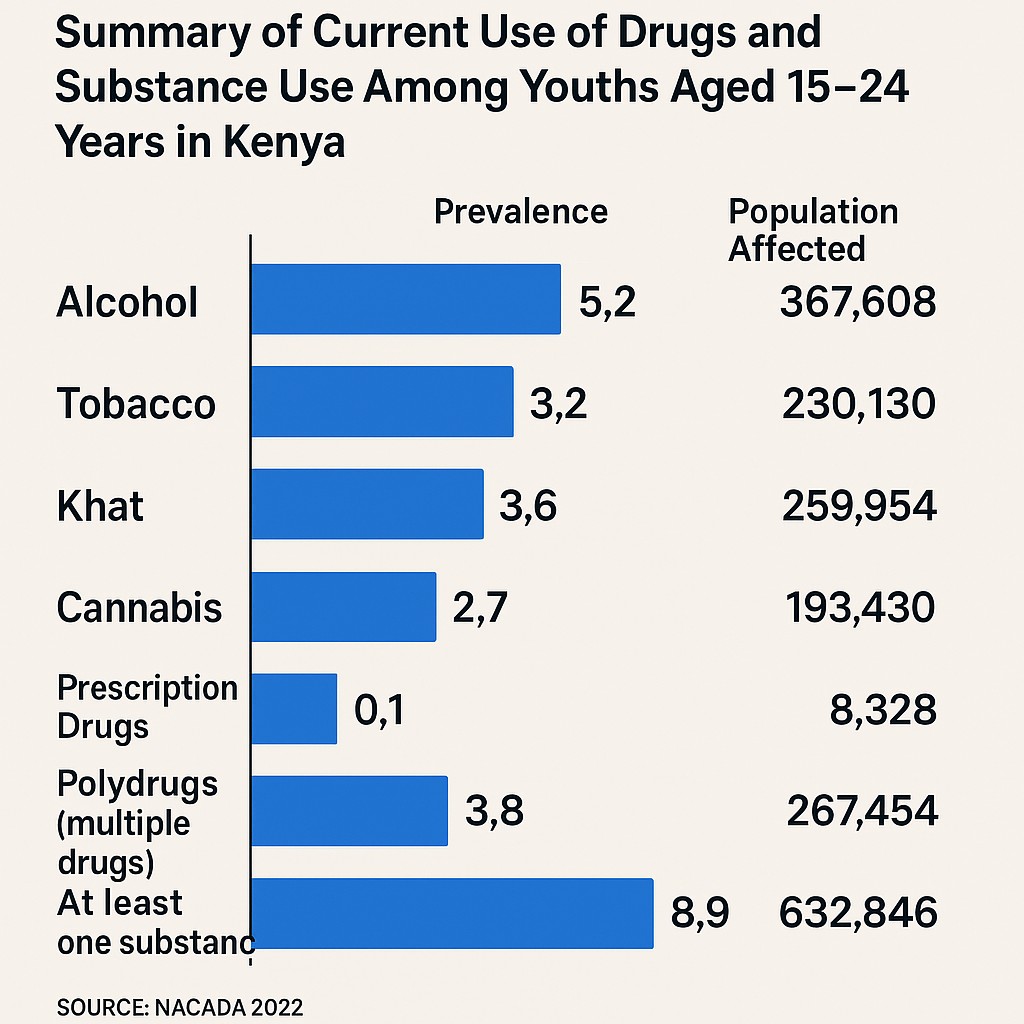
A 2022 report by the National Authority for the Campaign Against Alcohol and Drug Abuse (NACADA) revealed that the average age for initiation into substance use was between 16 and 20 years, with some children as young as six being introduced to tobacco.
Prevalence of Drug Use
The study found that among Kenyan youth aged 15-24 years, 1 in 11 (632,846) consume alcohol, 1 in 20 (230,130) smoke tobacco, and 259,954 use khat. Similarly,193,430 youth use cannabis while 267,454 engage in polydrug use.
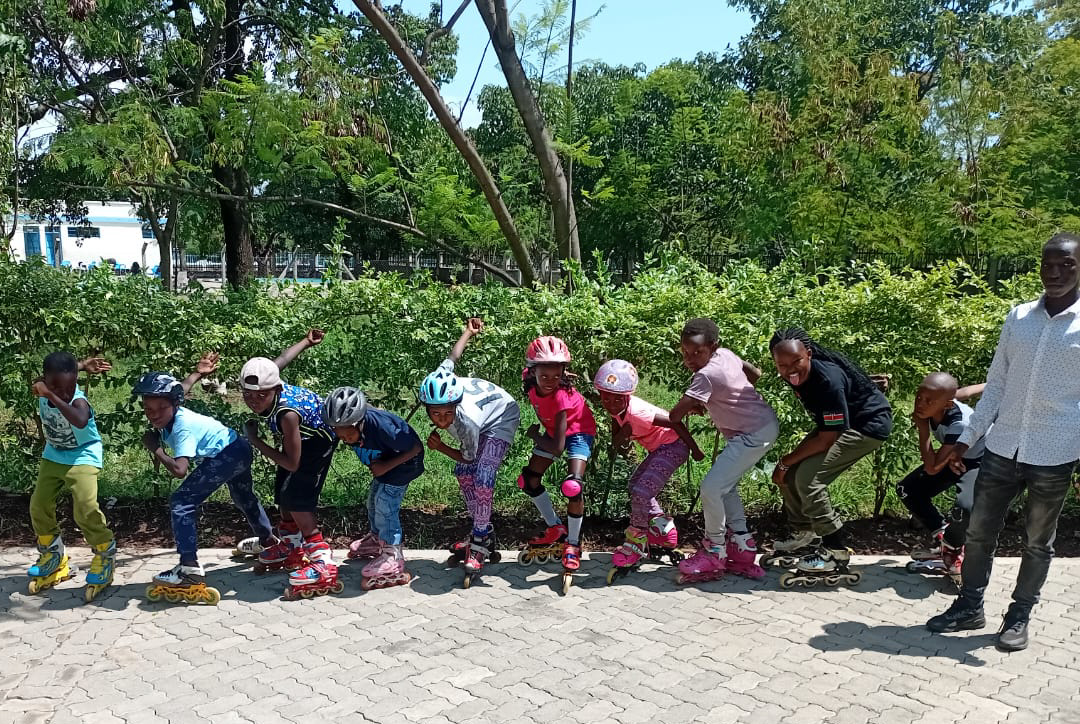
To counter these challenges, the Kisumu Wales Skating Club provides an alternative path for its 30 youthful members, using skating as a fun and healthy way to stay engaged.
During an exclusive visit by Eyes Watch Health, the club was found practising at the serene Jamhuri Garden Recreational Park next to Victoria Primary School in Kisumu.
The park is a paradise for swimmers, bike riders, book readers, and bird watchers, and is ideal for their activities.
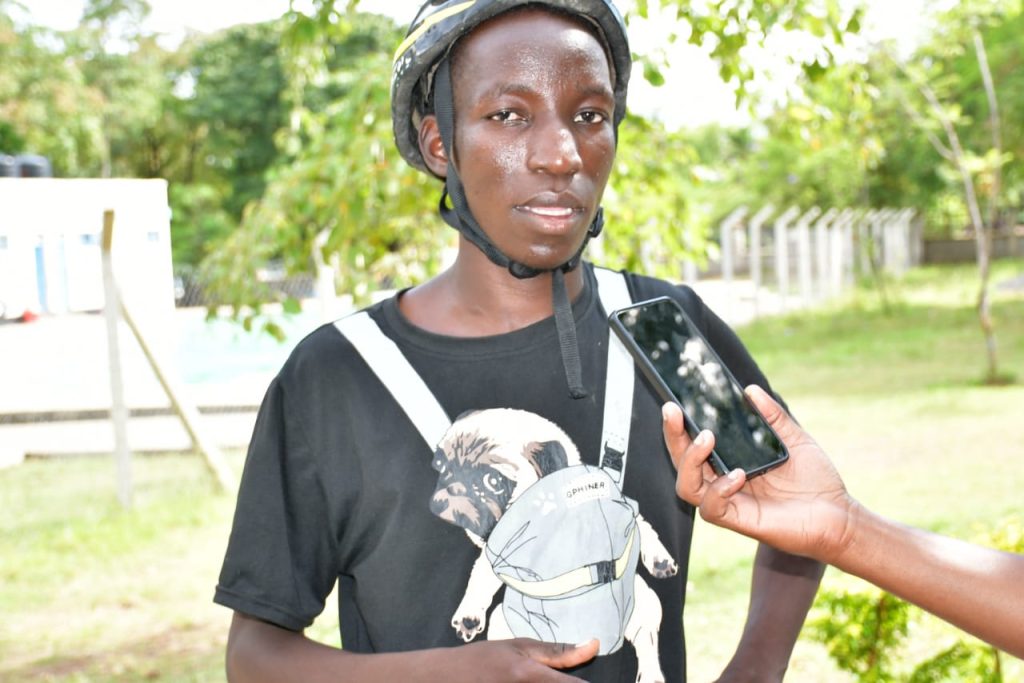
Meet Rodgers Ochieng, 25, the club’s founder and coach. He discovered his passion for skating in 2015 while in Standard Eight.
He honed his skills under coach Nickson Olago and, after graduating from Usenge High School in 2019, established the club in February 2024.
“I formed this club to help young people avoid drugs, alcohol, and crime. Skating is not just a sport; it is a lifestyle that fosters physical fitness, mental sharpness, and social engagement,” Rodgers explains.
Despite the perception that skating is an elitist sport, the club aims to popularize it in informal settings, offering an inclusive space for young people to thrive.
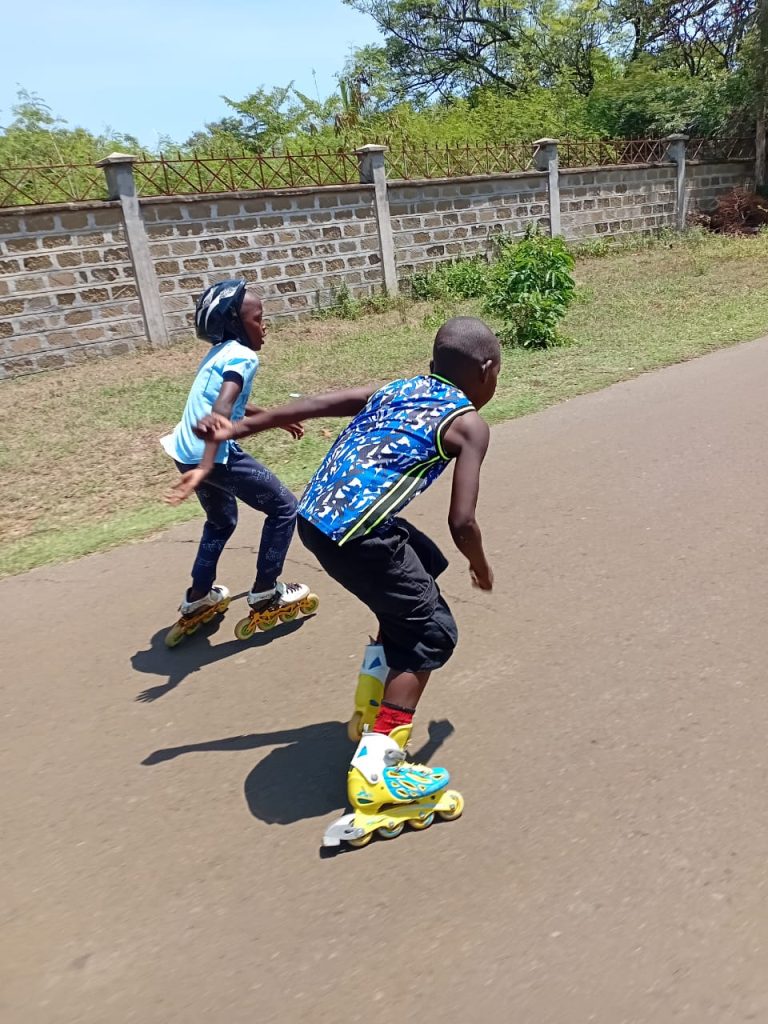
Amidst the rhythmic sound of wheels gliding on paved surfaces, skaters as young as three performed dazzling spins, kickflips, backflips, and high-speed races, which captivated onlookers.
The club collaborates with local civil society organizations, such as the Young Women’s Christian Association (YWCA), which provides experts to educate members on healthy living.
“These sessions have been instrumental in improving self-awareness, discipline, and informed decision-making among our members,” says Rodgers.
Martha Akinyi, a psychologist at Tinada Youth Action Africa (TINADA), noted that the increasing availability of drugs, coupled with peer pressure and stress, has significantly fueled substance use among young people. She points out that there are several factors, like Peer Pressure, that drive youth into drug use.
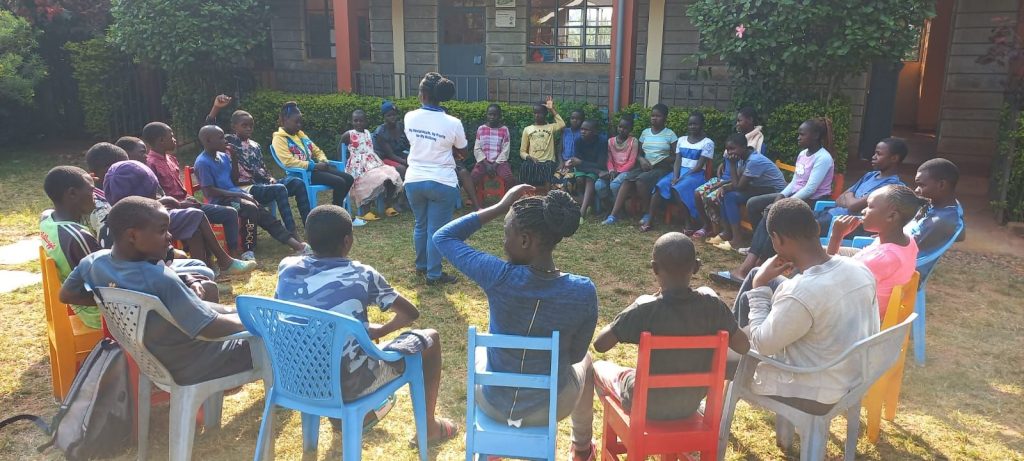
“Parental neglect or having substance-abusing guardians increases the high risk of induction. Mental health-related issues: Anxiety, depression, and other disorders should be closely monitored,” she said.
High curiosity development and media influence through movies, music, and social media tend to glamorize drug use, thus encouraging experimentation.
Martha adds that substance abuse has severe consequences on health, education, and prospects. Key among them are liver damage, respiratory issues, heart disease, and mental health disorders. It is worth noting that impaired concentration among the youth leads to poor academic performance and school dropouts.
She further warns that this has led to increased risk of criminal activities, unprotected sex, and reckless behaviour.
“Strained relationships,” Martha observes, can result in social isolation among family and friends, and constant legal issues due to drug-related offences.
In 1997, the Kenya Federation of Roller Skating (KFRS) was established as a national legal body that governs all roller sports in Kenya. Popular skating disciplines include roller skating, figure skating, inline speed skating, skateboarding, aggressive quad skating, and roller ice hockey.
Despite a lack of official data on the number of skaters in the country, the sport has gained traction, especially in the lakeside city. Young skaters can be seen happily gliding in parks, informal settlements, and even city streets.
“Some of us are using skating as a means of transport from our homes to various places. We neither get stuck in traffic snarls nor pay for bus or matatu fares,” Victor Willis registered member, expressed his satisfaction while adding that he has learnt a lot of skating skills from juniors who are experienced.
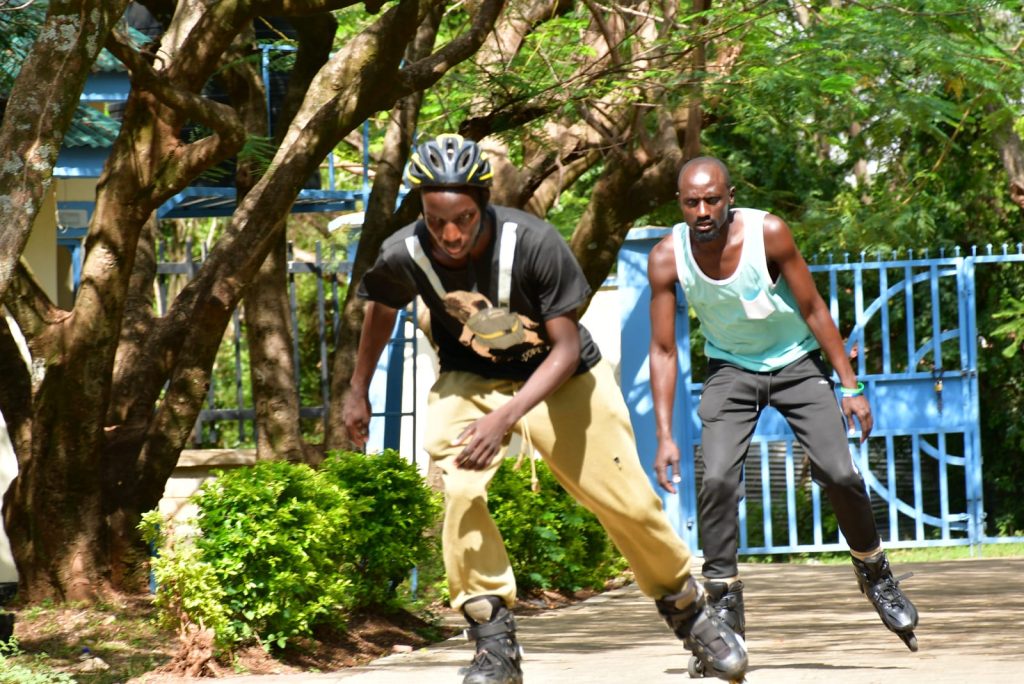
Globally, a 2017 survey published by Surfer Today estimated that 85 million people engage in skating, with 6.44 million in the United States alone. The Wales Skating Club holds training sessions on Tuesdays, Thursdays, and weekends, with a more intensive schedule during holidays.
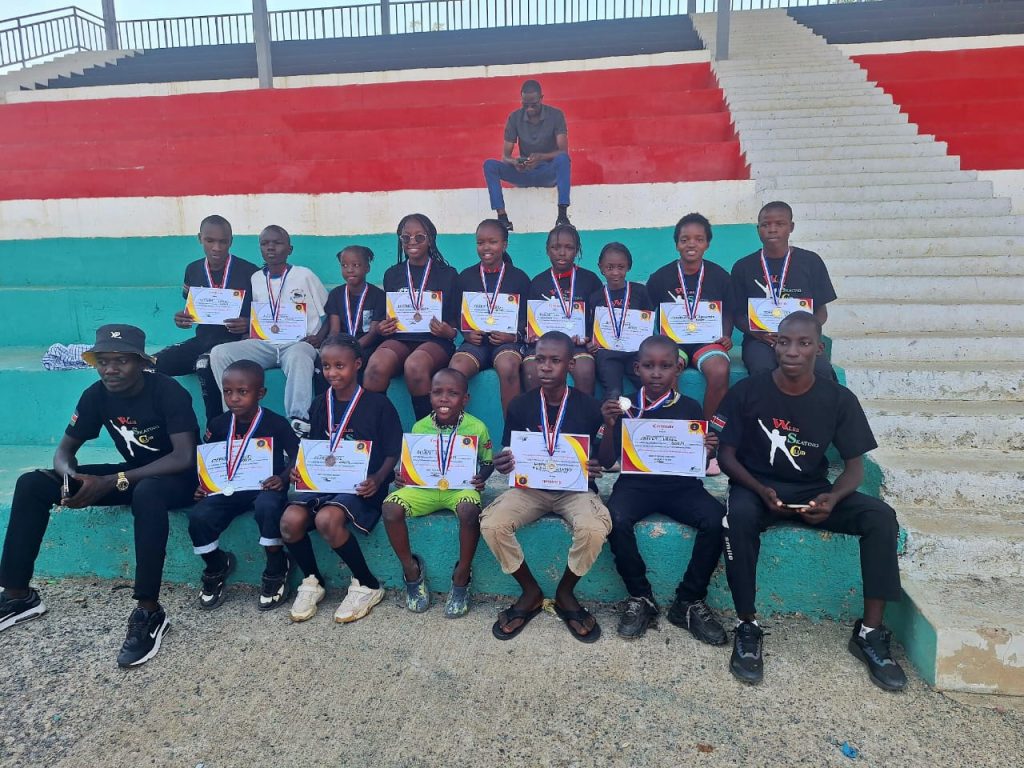
Membership costs Sh 3,500 annually, with a monthly training fee of Sh 1,500. Members receive registration cards and club-branded t-shirts. Inside eight months, the club has participated in five competitive races, bagging several awards in the form of trophies and certificates.
Self-funded by parents, the team successfully sent two skaters to Uganda in 2024, both of whom emerged victorious. It has now trained its sights on competing internationally in the USA, Canada, and Europe.
Despite its success, the high cost of skates, with prices ranging from Sh 3,500 (ex-UK), Sh 5,000 (new Cebar), Sh 15,000 (Tri-skate), and Sh 25,000 (Speed-Boot) for racing, remains an obstacle.
Rodgers decried the high cost of repairing skates compared to buying new ones, while pointing out that they normally experience low demand as most trainees shy away during the rainy seasons.
Harvard Health Publishing reports that sports-related injuries, such as Osgood-Schlatter disease (which affects 10-20 percent of adolescent athletes), are common.
The reputable medical school describes Osgood-Schlatter disease as a common, temporary condition that causes knee pain in older children and teenagers, especially those who play sports and apply excessive stress to the patellar tendon.
The Wales Club enforces safety measures, requiring skaters to wear helmets, knee guards, and shock-absorbent footwear to address mild and severe injuries.
Solutions to Substance Abuse
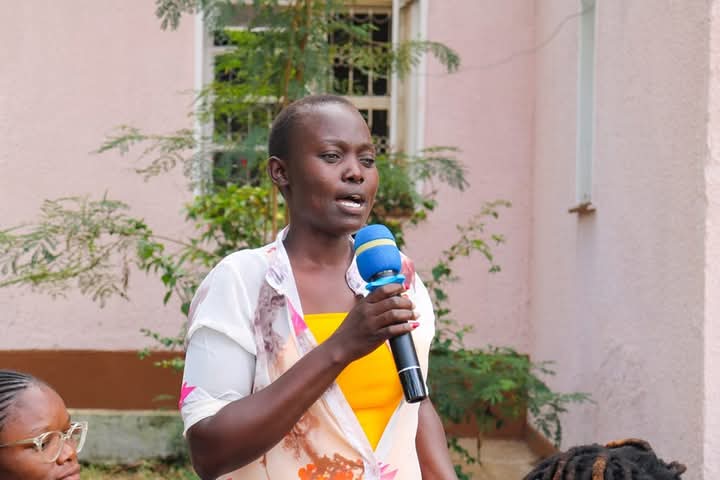
Martha from TINADA suggests a multi-faceted approach like parental involvement through open communication, emotional support, and positive role modelling. The youth should be sensitized to the risks of drug use by holding workshops.
“There should be several easily accessible Rehabilitation and Counseling Centres which offer recovery programs for those struggling with addiction,” she stressed.
NACADA needs to continue upholding strict law enforcement regulations in line with the Alcoholic Drinks Control Act (2010) to prevent underage drinking and regulate alcohol sales.
“The youth is required to be constantly involved in positive activities like sports, arts, and faith-based organisations’ programs as alternatives to drug use. By working together, we can create a healthier, substance-free future for the next generation,” Martha emphasized
The lakeside skating club exemplifies how engaging young people in sports can steer them away from drugs and towards a healthier future. Through discipline, teamwork, and perseverance, these skaters are not only mastering their craft but also reshaping the narrative around youth and substance abuse.
romondi99@theeyeswatchmedia.co.ke


A nicely and comprehensively pieced story. Covering sports, health and substance abuse all in one go. Kudos.
Good advites the wales skating club