When Neil deGrasse Tyson said that science literacy is the artery through which solutions of
tomorrow flow, he painted a picture of a future shaped by those who can break down complex
ideas into clear, relatable messages for the public.
Journalists sit at the heart of that mission.
They carry the responsibility of translating health and science information for the masses. This
ensures that evidence is correctly interpreted and that the public can make informed decisions.
But for that to happen, journalists themselves must be equipped with the tools and knowledge to
get it right.
Unfortunately, training opportunities in health and science journalism remain limited. Yet with the right resources and support, journalists can confidently handle scientific data, explain research findings, and play a key role in fighting misinformation.
That is why non-state actors continue to collaborate with scientists and researchers to design training programs that demystify research and development. In Kenya, the person who is in charge is Mr. Hezron Ochiel.
With over 13 years of experience, Mr. Ochiel has become a go-to health and science communication trainer. He helps non-expert audiences grasp critical health concepts in practical ways. He currently serves as the Deputy Corporate Communications Manager at the Kenya Medical Training College (KMTC).
“Science is everywhere,” he says, “It shapes the food we eat, the medicines we take, the policies we live under. It is our job to connect these dots for the public.”
Making Science Relatable
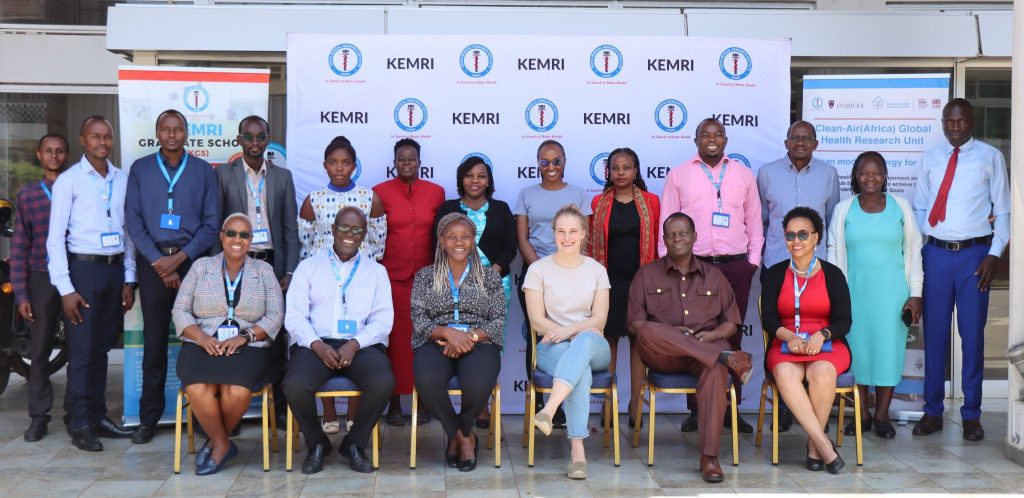
During a recent four week training forum hosted by uring a recent four-week training forum hosted by the Kenya Medical Research Institute (KEMRI), CLEAN-Air Africa, and the University of Liverpool, Ochiel mentored journalists on “Science Communications for Journalists.”
The course brought together participants from Kenya, Uganda, Tanzania, and Cameroon with a shared goal: to bridge the gap between the complex and everyday life. He emphasized that journalists should learn how to tell science stories across multiple platforms, from TV and radio to blogs and social media.
Good storytelling, he says, builds trust, sparks curiosity, and encourages public support for science.
“Journalists also have to question scientists, call out unethical practices, and elevate the voices of researchers who are often overlooked,” he states.
He backed this up with a study published in Sage Journals, showing that over 60 percent of Kenyan journalists could not correctly interpret data from non-random samples. This highlights the urgent need for capacity building.
A Career Shift That Sparked a Movement
Mr. Ochiel’s own journey into health journalism began with a friend, Kenneth Odiwuor, who introduced him to a freelance writing opportunity at The New Humanitarian. At the time, Hezron was still figuring out his place in the media space. But that one break changed everything.
“I earned Ksh 40,000 for every 1,000-word article. That gig helped me shift from general reporting to a focused career in health journalism,” he recalls.
Driven by curiosity, he immersed himself in medical journals, traveled widely to gather stories, and consulted experts in environment, food security, and agriculture. His growing portfolio eventually led to roles at The Standard newspaper and later at Amref Health Africa.
Turning Passion into Impact
At Amref Health Africa, Mr. Ochiel played a key role in rolling out a five-year advocacy campaign aimed at mobilizing African governments to commit at least 15 percent of their annual budgets to strengthen healthcare systems.
The campaign, which ran across Kenya, Uganda, Tanzania, Malawi, and Zambia, brought civil society, the media, and policymakers together with one goal in mind: to prioritize health in national development.
Building on the momentum, he later championed the introduction of a Health Communication and Journalism training program at Amref International University (AMIU). The initiative was designed to equip journalists and communication professionals with the skills to accurately and effectively report on health issues.
By 2020, AMIU partnered with Twitter (now X) to offer scholarships to 40 journalists from across Africa. The outcome was remarkable. Well-researched, impactful stories began shaping public conversations and influencing decision-making in health at local, national, and regional Levels.
Collaboration, Growth, and the Road Ahead
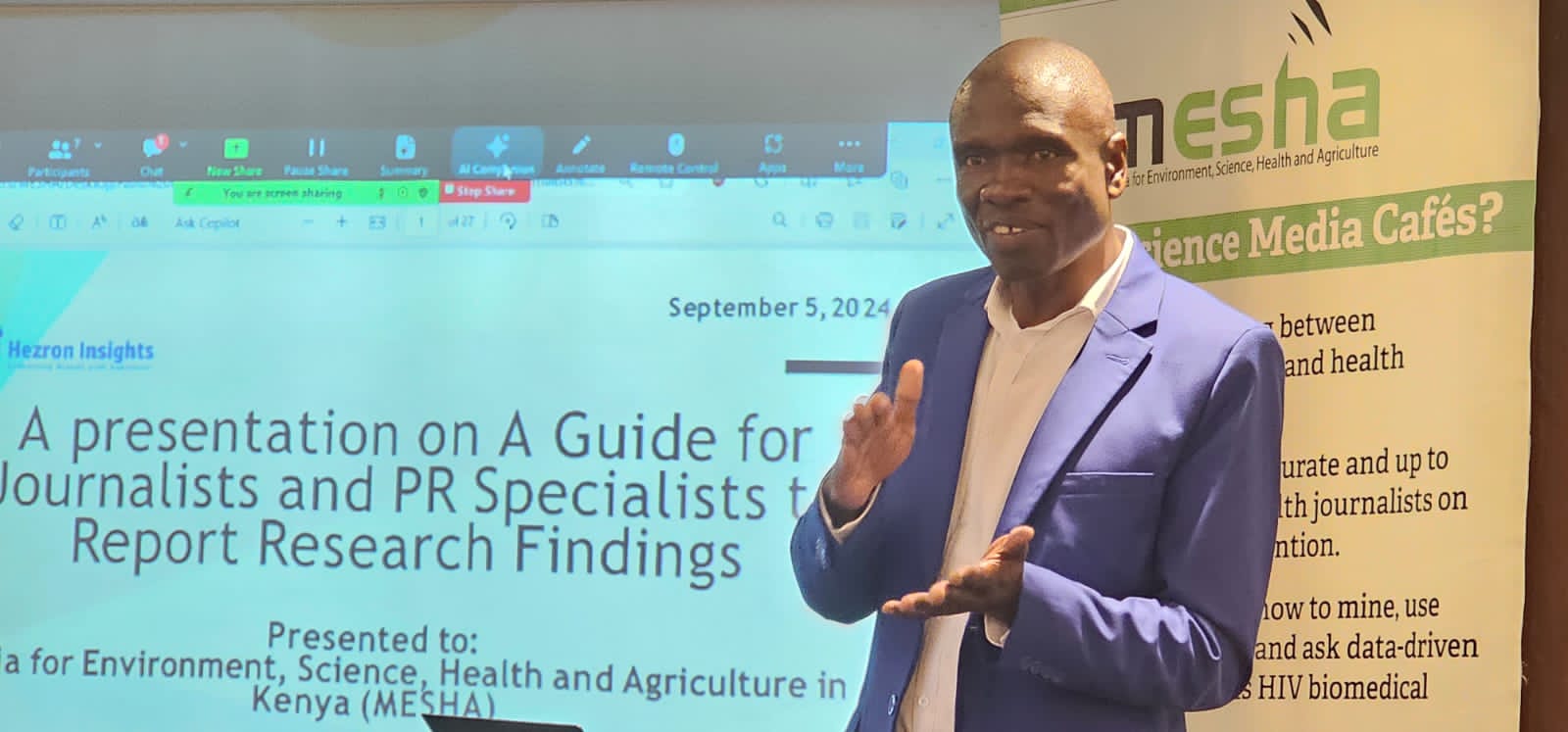
In September 2024, Mr. Ochiel joined Media for Environment, Science, Health, and Agriculture (MESHA), mentoring over 50 journalists from across East, Central, and Southern Africa on Health and Science Reporting.
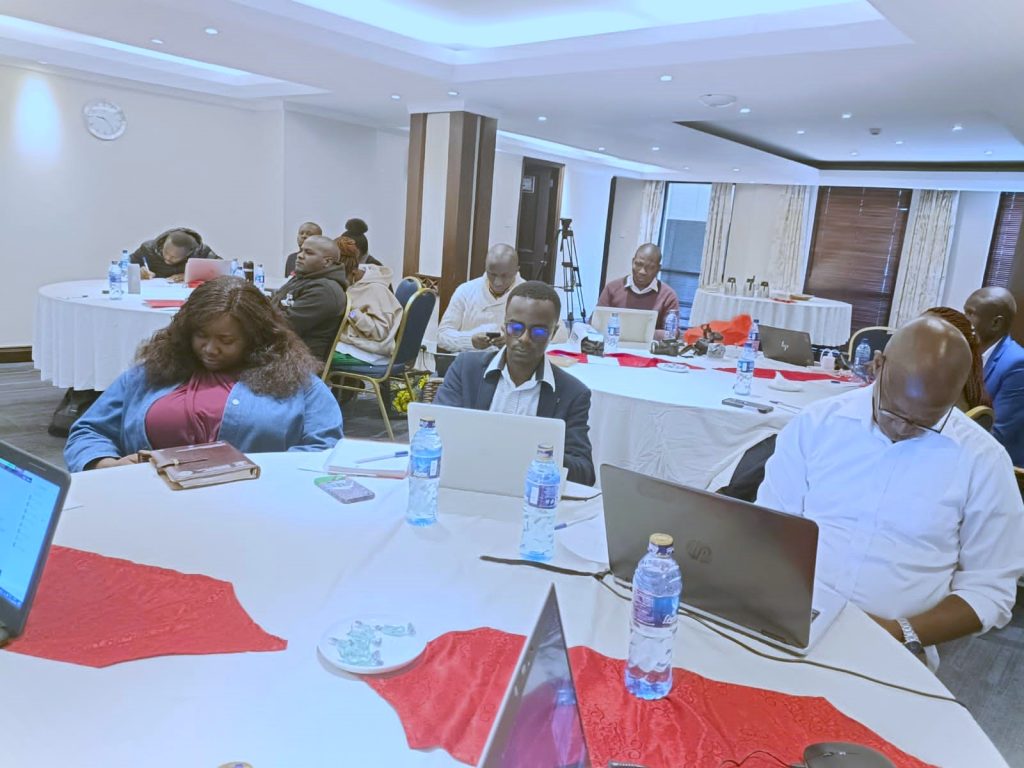
He stressed that with newsroom budgets shrinking, innovation is key. Journalists must build trusted sources, find alternative funding, and always keep learning. Mr.Ochiel advises journalists to pursue grants, fellowships, and partnerships with scientific institutions to expand their reach and credibility.
Post-COVID, public interest in science has surged. People want accurate, digestible updates on health, tech, and research. Digital tools now make it easier than ever to conduct interviews, file stories remotely, and report globally without leaving your desk.
The father of two urges closer collaboration between journalists and the scientific community from the beginning of a research project, not just at the end.
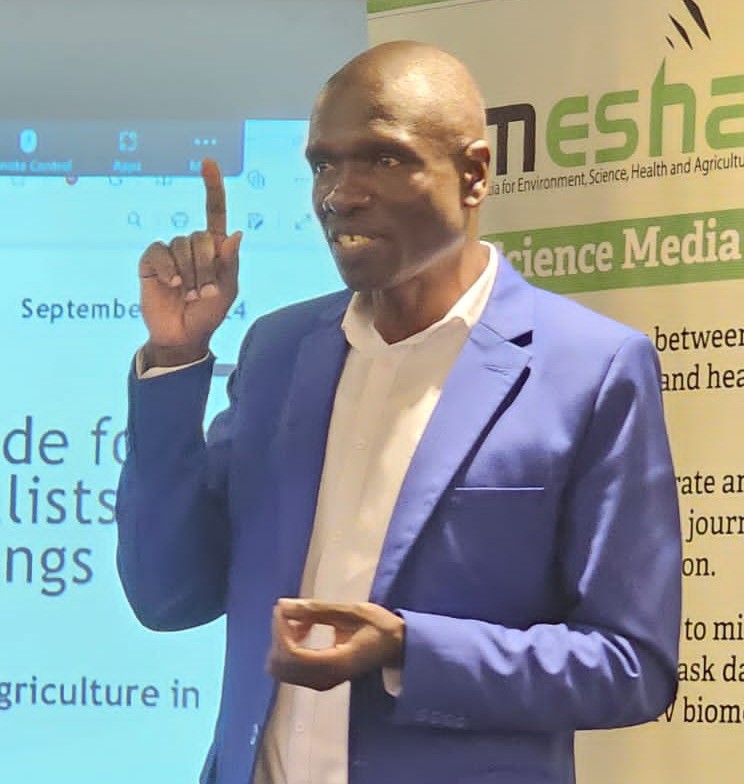
“When journalists get involved early, they access better data, understand the science better, and produce more compelling stories. It is a win for both sides,” he states.
Born in 1980 in the quiet village of Kochiayo in Seme Sub-County, Hezron’s journey is proof that with the right support and drive, anyone can become a changemaker.
His work, ranging from a communication audit at KMTC to his weekly updates on Hezron Insights, continues to inspire the next generation of science journalists.
“Scientific breakthroughs do not happen in isolation. They are the result of teamwork, and journalists have a key role in telling those stories right,” he concludes.
romondi99@theeyeswatchmedia.co.ke