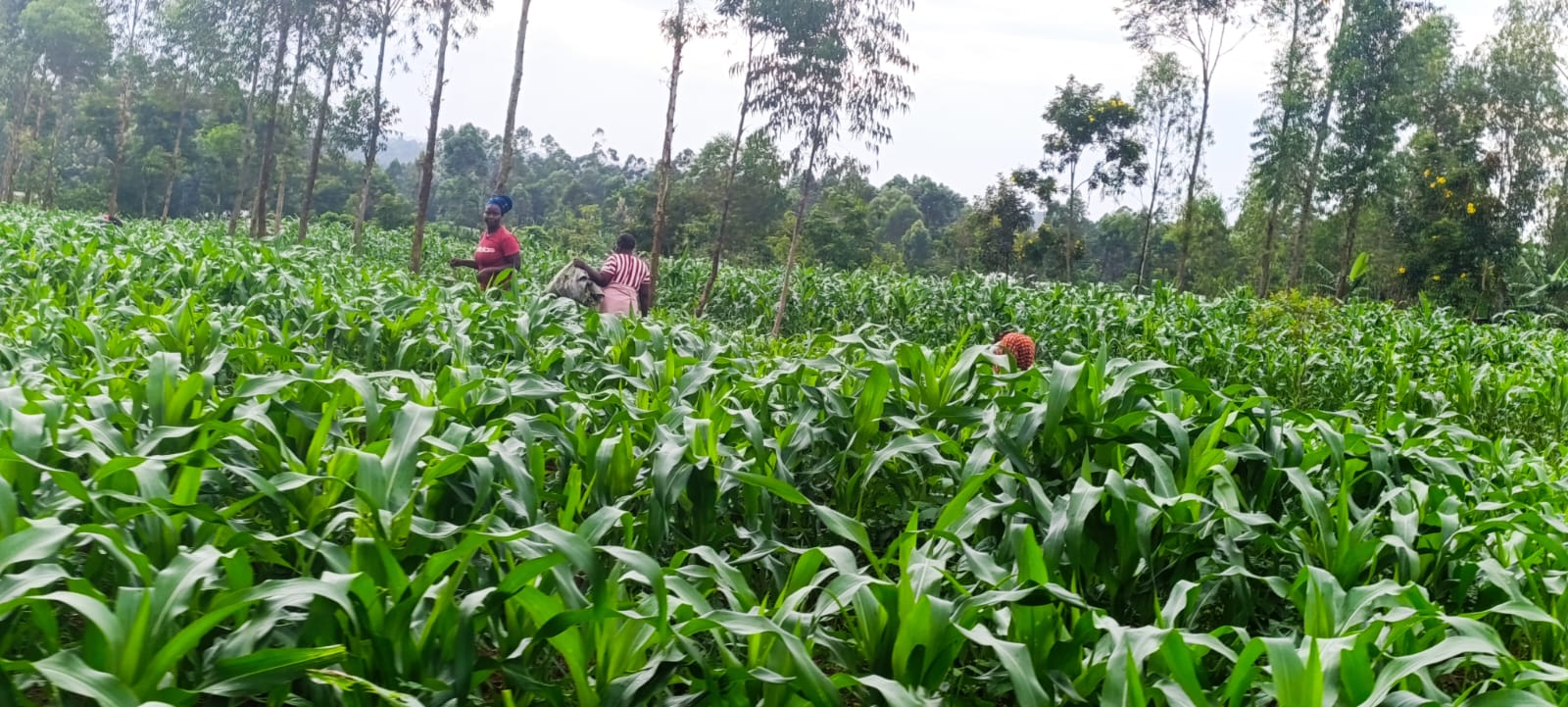
BUSIA, Kenya,22nd August- In the global quest for food security, climate resilience, and sustainable farming, GMOs are emerging as unsung heroes striving not just to feed people but to heal the very ground beneath their feet.
For decades, soil degradation has been one of agriculture’s silent crises. Continuous cropping, deforestation, and climate change have stripped farmlands of vital nutrients, forcing farmers to rely heavily on chemical fertilisers. But fertilisers are costly, and their overuse can pollute rivers and lakes. Scientists have long been searching for a solution that restores the land instead of just feeding it and GMO crops are emerging as an unexpected ally.
Speaking to Martha Aroni, who is a specialist on genetically modified crops, specifically cassava at Kalro Alupe, said that the GMO plants have many benefits for the environment and the soil.
” GMO plants are important since once uprooted, another plant can be planted at the same place and it will do very well, increasing the soil health,” said Aroni.
Recently, plant breeders have developed GMO varieties that do more than resist pests or survive drought. Some, like nitrogen-fixing cereals, work with soil microbes to pull nitrogen from the air, enriching the soil naturally. Others produce deeper root systems that improve soil structure and help prevent soil erosion.
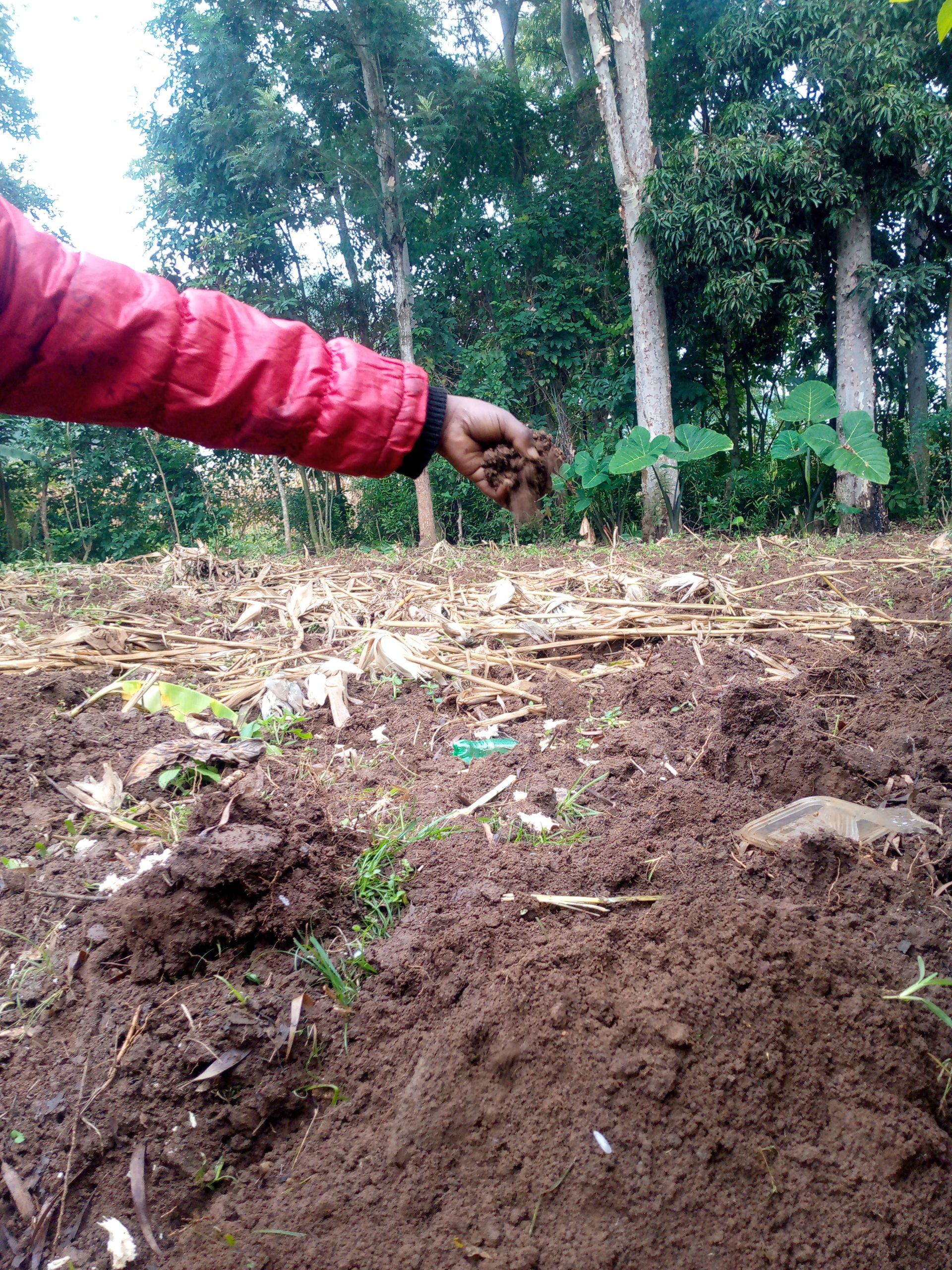
“These plants act almost like living fertilisers. They leave behind more organic matter after harvest, improve soil aeration, and create a healthier environment for beneficial microorganisms.”Moses Omondi, an agricultural biotechnologist at Busia Agricultural Training Centre, explains.
Soil of a farm where GMO maize had been planted. Photo by Victoria Magar
Better soil health is only part of the story. When farmers adopt GMO plants with built-in pest resistance, like BT Cotton or maize, they often use far fewer pesticides. This means less chemical runoff into nearby waterways, fewer risks to pollinators, and a lower carbon footprint from reduced tractor passes.
A 2023 study by the African Agricultural Technology Foundation found that in trial plots across Kenya and Uganda, GMO cowpeas not only boosted yields by up to 25% but also left the soil with higher nitrogen content for the following planting season.
For Lydia Nekesa a farmer in Busia said there are tangible benefits, “I used to spend nearly a third of my earnings on fertiliser now I use less, and the soil is getting better each year, even the weeds are easier to control because the plants grow stronger.” she said
While GMO technology remains a hot topic in policy and public opinion, its potential as a tool for environmental restoration is drawing fresh attention. Critics raise concerns about corporate seed control and biodiversity, but advocates argue that when deployed responsibly, GMO plants can be part of a regenerative agriculture strategy working alongside conservation tillage, crop rotation, and organic inputs.
“The conversation about GMOs has been too focused on what’s on the dinner plate. We should also talk about what’s happening beneath our feet, and that is the soil,” said Moses.