NYALENDA, Kisumu,10th March 2026-At first glance, the idea of using rabbit urine in farming may sound unusual, but for Madiaba Community-Based Organisation (CBO) in Nyalenda, Kisumu Central Sub-County, the natural solution is helping improve crop production while reducing reliance on chemical fertilisers.
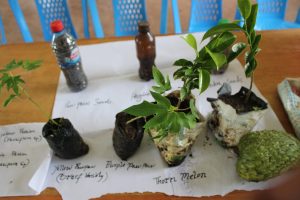
On Friday, 6th March, a community event titled Seed Fair Mashinani was held in the Nyalenda Health Care Centre hall in Kisumu. It not only brought farmers to exchange indigenous seeds, but also to learn innovative, environmentally friendly farming methods.
Among the exhibitors was Lavenda Ochieng of Madiaba CBO, who demonstrated how rabbit urine can be converted into organic fertiliser.
According to Lavenda, the practice is gaining popularity among small-scale farmers looking
for affordable ways to improve soil fertility and control pests.
“In agriculture, we make energy-saving jikos and also promote organic farming. One of the
things we use are rabbit urine, which we process into organic fertiliser,” she explained, adding that they also rear rabbitsfor the purpose of collecting urine, which is later processed and applied to crops.
She advises that farmers can use rabbit urine in two ways: First, by diluting the urine with
water before applying it directly to crops, while the second method, which is fermentation is considered more effective.
“To prepare the fermented fertiliser, you mix rabbit urine with brown sugar or molasses and yeast, then you leave it to ferment for between seven and fourteen days,” Lavenda emphasised.
The mixture, Lavenda cautions, should not be sealed tightly during fermentation to allow the
process to occur properly. “Once ready, the organic solution can be applied to crops where it acts both as a fertiliser and as a pest control method.”
“If you use the urine directly without processing it, it can burn the crops, but when it is fermented, it adds more value and boosts the growth of the crops,” Lavenda explained.
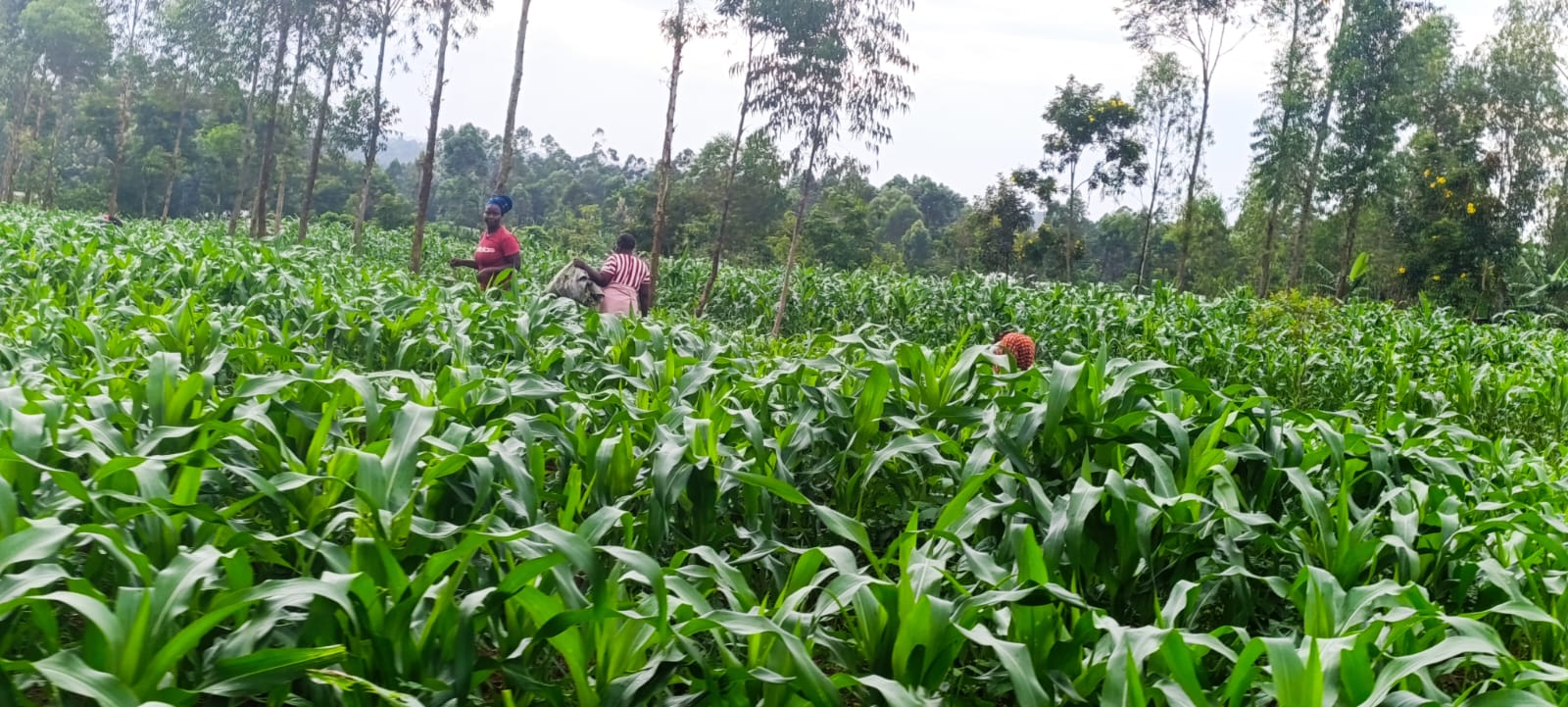
She further added that the fermented mixture is especially effective when applied to maize, as it improves plant growth and helps protect crops from pests. “It boosts the growth and maturity of the maize crops, the plants become healthy, and pests are reduced.”
A spot check by the Eyes Watch showed that farmers working with the organisation have already begun using the fertiliser on crops such as spinach, kale, and other African leafy vegetables grown in their demonstration farms.
At the fair, the organisation also demonstrated to farmers the need to use energy-saving jikos. The jikos utilise insulated, durable materials to reduce charcoal or firewood consumption by between 50–80%.
“These efficient, low-smoke stoves provide faster, consistent cooking for households and institutions, thus enhancing safety and reducing cooking costs,” Madiaba CBO assures.